 Cheese
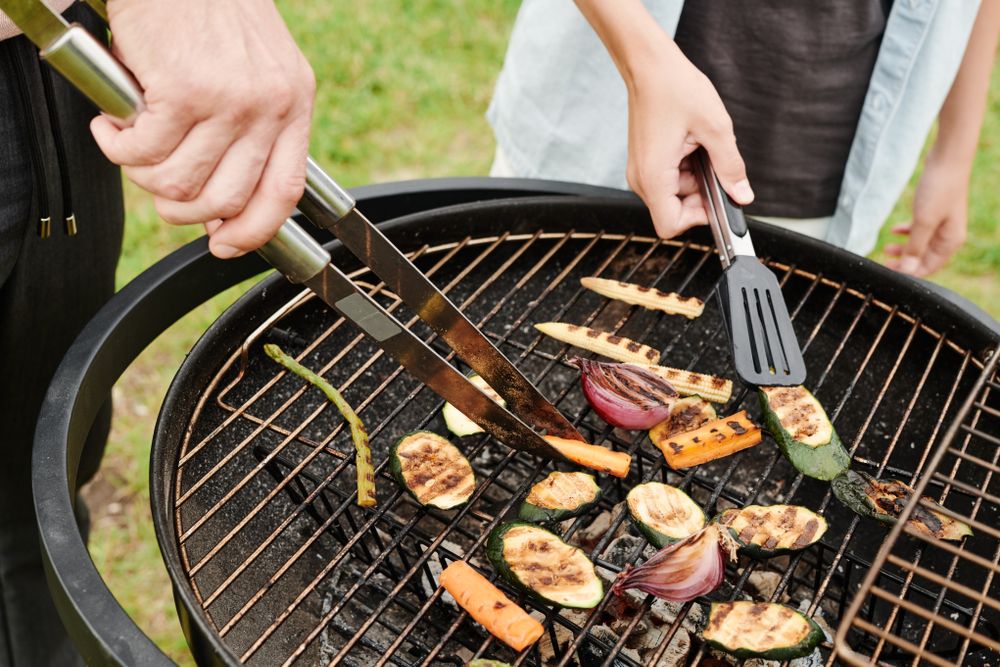
Grilled Halloumi, Properly
Halloumi is squeaky and dull when it is done badly and genuinely excellent when it is done properly. The difference is thickness and heat.
 Cheese
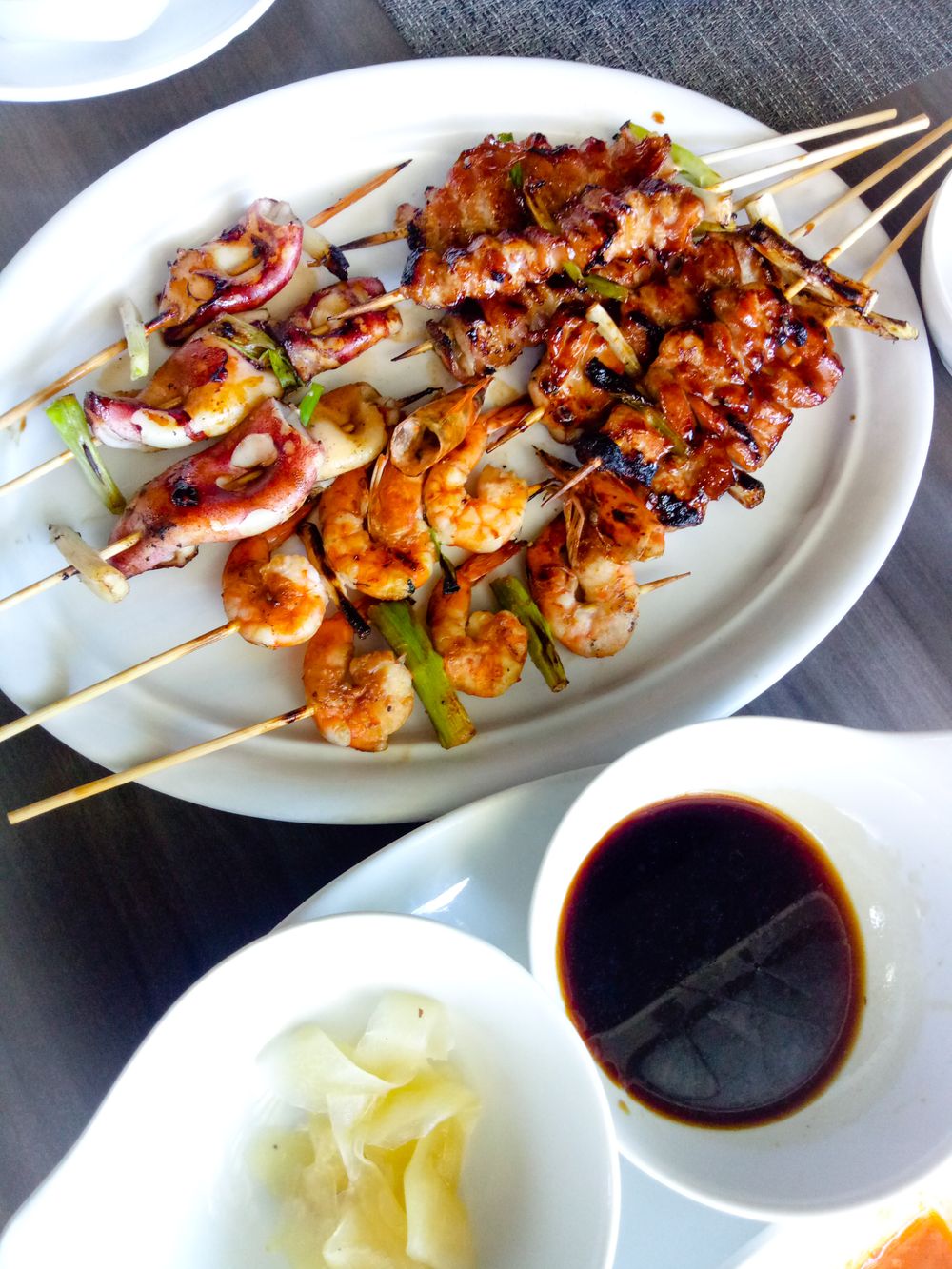
Halloumi and Vegetable Skewers
Halloumi is the one cheese that holds its shape on a skewer, threaded between peppers and courgette and charred until it squeaks and softens.
 Cheese
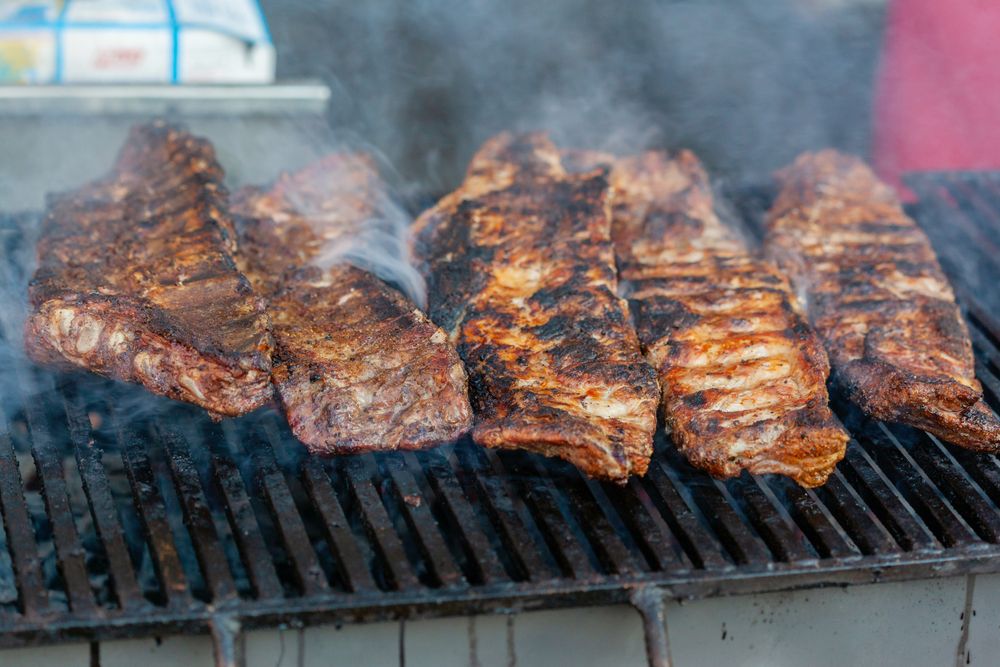
Provoleta, Argentinian Grilled Cheese
A thick disc of provolone grilled in a pan until the outside crusts and the inside goes molten, scattered with oregano and chilli. The way an asado begins in Argentina.
Only a few cheeses can be grilled at all. What they share is a high melting point from the way the curd is heated during making, which is why halloumi, queso panela and provolone hold their shape while cheddar becomes a puddle.
Thickness and heat are the whole technique. Cut at least a centimetre thick, dry the surface completely, oil the cheese rather than the grate, and cook it hot and fast. Thin slabs on a moderate fire dry out before they colour, which is why grilled halloumi has a reputation for being squeaky.
It goes rubbery within minutes of cooling, so it is the last thing on the fire and the first thing on the table.
At a glance
| Recipe | Method | Grill temp | Cook time | Pull at |
|---|---|---|---|---|
| Grilled Halloumi, Properly | Direct heat | 230 to 290°C (450 to 550°F) | 6 min | Charred |
| Halloumi and Vegetable Skewers | Direct heat | 230 to 290°C (450 to 550°F) | 10 min | Charred |
| Provoleta, Argentinian Grilled Cheese | Direct heat | 230 to 290°C (450 to 550°F) | 8 min | Molten |
Techniques used
Direct heat. Food straight over the coals. Fast, fierce, and finished before the inside overcooks.
Cookers these suit
Asado grills. Foukou rotisseries. Kamado grills. Kettle grills. Korean table grills. Portable grills.