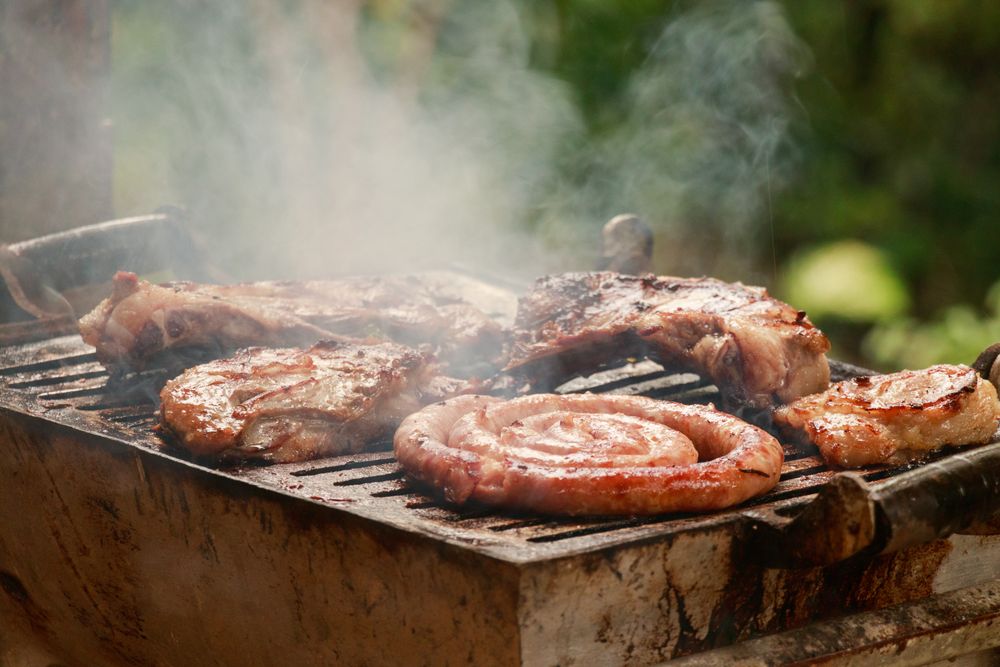
Oak is the safe all-rounder, hickory is the classic pork wood, apple and cherry are mild and good with poultry and pork, mesquite is intense and best for short high heat cooks. Use three to four fist-sized chunks, not a basket full, and add them at the start.
Smoking wood pairing chart
| Wood | Strength | Character | Best with |
|---|---|---|---|
| Oak | Medium | Clean, balanced, classic barbecue smoke | Beef, brisket, lamb, anything. The safe default. |
| Hickory | Strong | Bacon-like, savoury, slightly sharp | Pork shoulder, ribs, beef. Easy to overdo. |
| Apple | Mild | Sweet, fruity, light | Pork, chicken, turkey, fish |
| Cherry | Mild | Sweet, adds deep mahogany colour | Pork, poultry, and blended with oak for colour |
| Pecan | Medium | Like a softer, sweeter hickory | Pork, poultry, beef. Very versatile. |
| Mesquite | Very strong | Earthy, aggressive, almost metallic if overused | Short high heat beef cooks, Texas-style direct grilling |
| Maple | Mild | Subtly sweet | Poultry, pork, vegetables |
| Pimento / allspice | Medium | Warm and spiced | Jerk chicken, Caribbean cooking |
| Whiskey barrel oak | Medium | Oak with a vanilla note | Beef, pork, a good change from plain oak |
How much wood should I use?
Three to four fist-sized chunks for a long cook is plenty. That sounds like very little to anyone who has bought a large bag, and it is the correct amount. More wood does not produce more flavour past a certain point, it produces acrid flavour, because smouldering wood with insufficient oxygen creates creosote.
You are aiming for thin blue smoke, which is nearly invisible and smells sweet. Thick white or grey billowing smoke means the wood is smouldering rather than combusting, and food cooked in it tastes bitter and tastes like an ashtray.
Chunks, chips or pellets?
- Chunks. The right choice for charcoal cooking. Fist-sized pieces smoulder slowly and deliver smoke for 45 minutes to an hour each.
- Chips. Burn up in ten to fifteen minutes, so they need constant replacement. Useful for short cooks on a small grill, impractical for anything long.
- Pellets. Designed for pellet grills and for smoke tubes. In a charcoal cooker a smoke tube is a reasonable way to add cold smoke, but chunks are simpler.
- Logs and splits. For offset smokers only, where you are burning wood as the primary fuel with a proper firebox and enough airflow for clean combustion.
Should I soak wood chips?
No. This is one of the most persistent pieces of barbecue advice and it does not hold up. Water does not penetrate wood meaningfully in thirty minutes; it sits on the surface. What you get is a period of steam while that surface water boils off, followed by exactly the same smoke you would have had anyway, produced slightly later.
If you want smoke to last longer, use larger pieces, or wrap chips in a pierced foil pouch which restricts oxygen and slows the burn. Both work. Soaking does not.
When to add wood
At the start. Meat absorbs smoke compounds most readily while the surface is cool and damp, and once the bark has formed and the surface has dried, absorption drops off sharply. Adding wood in hour six of a brisket cook is mostly wasted, which is why the snake method puts chunks along the first half only.
Softwoods such as pine, fir, spruce and cedar contain resin that produces sooty, unpleasant smoke and deposits tar on your food. Never use treated, painted or reclaimed construction timber, plywood or pallets: the glues and preservatives are genuinely toxic. The cedar plank exception is a plank used as a cooking surface, not as fuel.
Common questions
Do I need to soak wood chunks?
No. Soaking delays smoke production while surface water evaporates, then gives you the same smoke. Use bigger chunks if you want smoke to last longer.
Can I use too much smoke?
Easily, and it is the most common way to ruin an otherwise good cook. Three to four chunks is right for a long cook. Bitter, acrid food is almost always too much wood or wood that was smouldering without enough air.
What is thin blue smoke?
The nearly invisible smoke produced by wood that is properly combusting with enough oxygen. It smells sweet and it is what you want. Thick white smoke means smouldering, which deposits creosote and tastes bitter.
Related guides
 Technique
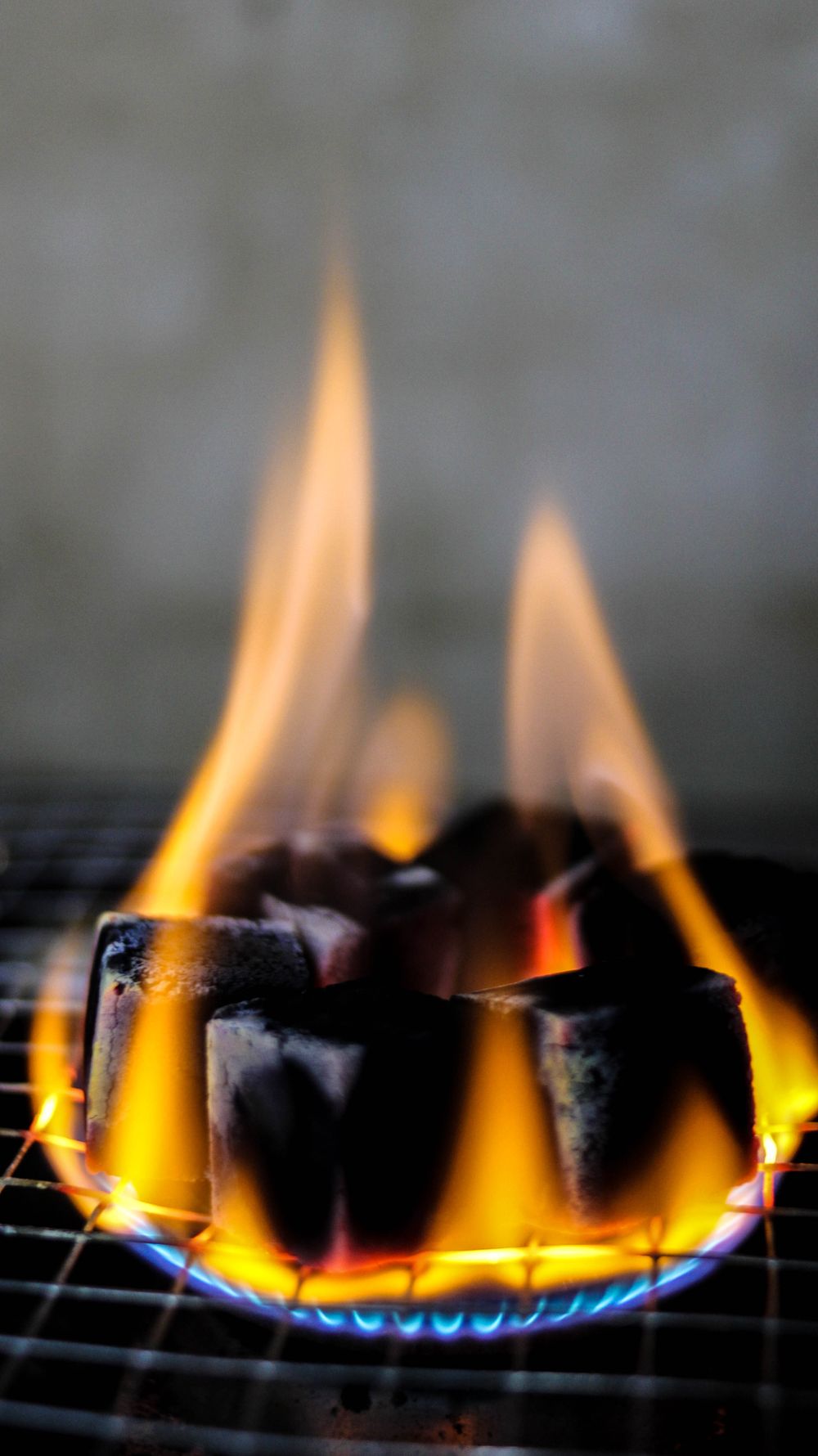
How to Light Charcoal Without Lighter Fluid
There is one right way to light charcoal, it costs about twenty five dollars, and it takes fifteen minutes.
 Technique
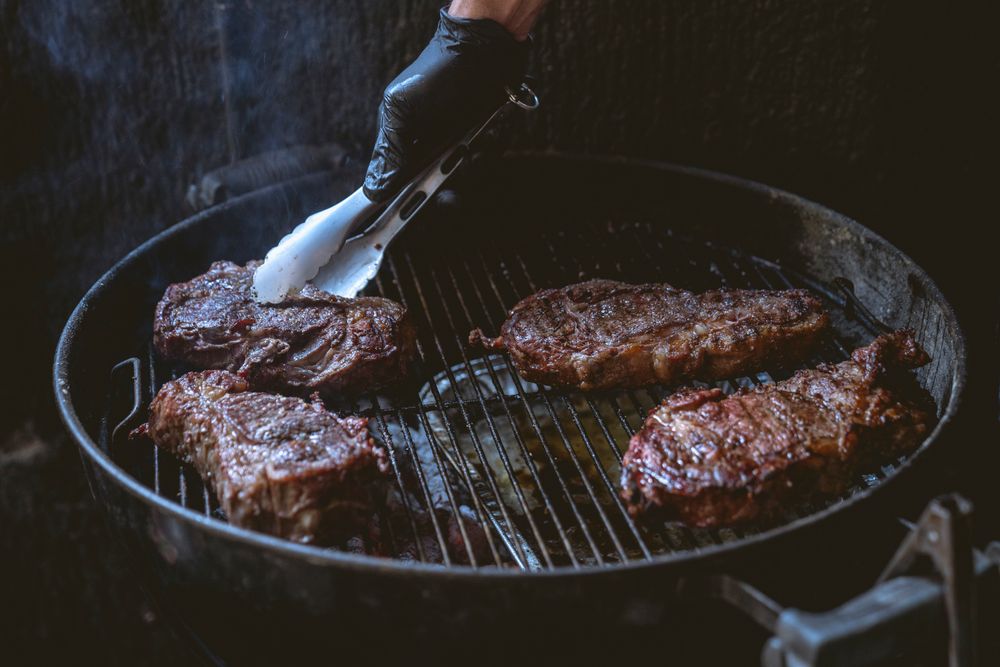
How to Set Up a Two-Zone Fire
One fire, two temperatures, and suddenly a charcoal grill can do everything an oven and a frying pan can do together.
 Technique
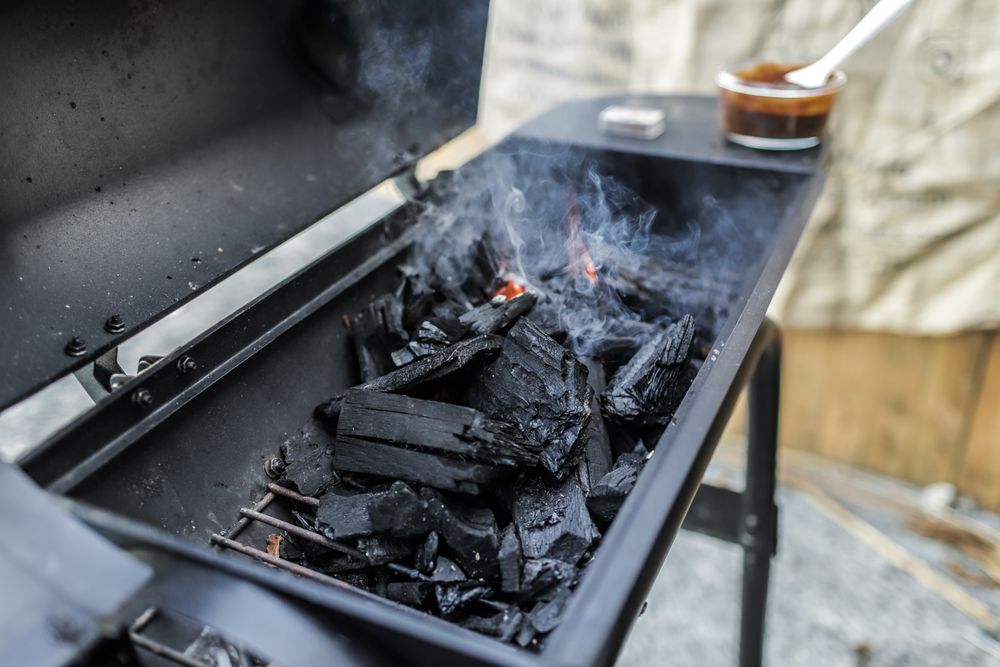
The Snake Method: Low and Slow on a Kettle
A line of unlit briquettes, lit at one end, burning along at about an inch an hour. It is the cheapest smoker you will ever build and it is already inside your kettle.