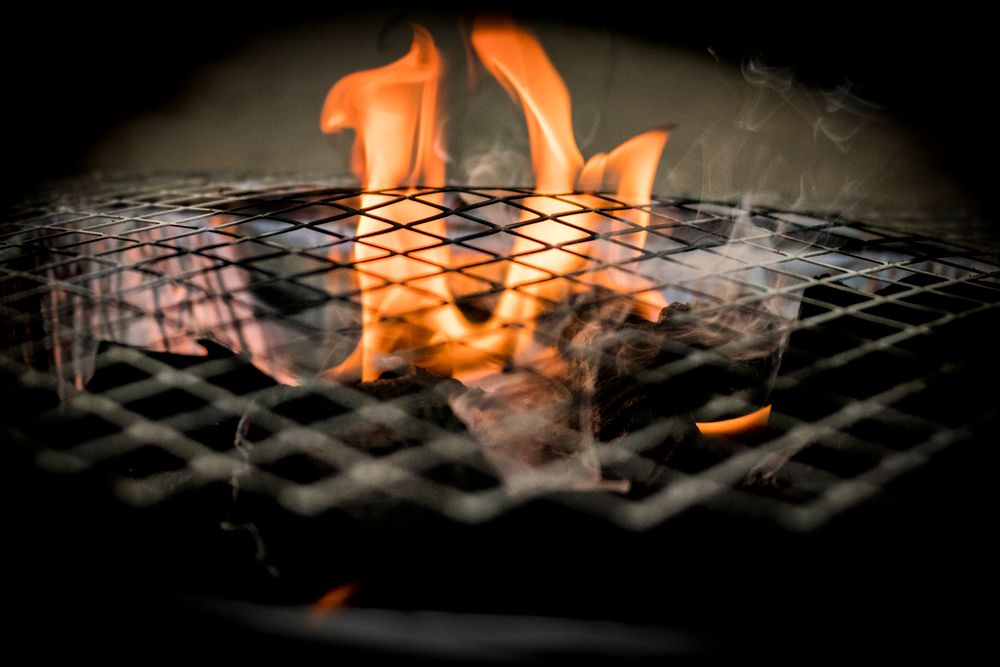
Airflow is the throttle. The bottom vent controls how much oxygen reaches the coals and therefore the temperature; the top vent should usually stay mostly open. Make small adjustments and allow 15 minutes for each to take effect. Never use the lid vent to choke a fire unless you intend to put it out.
Step by step
Set the fuel quantity first
Temperature starts with how much charcoal you light. A full chimney is a hot fire, half a chimney is medium, 10 lit coals on a bed of unlit is low and slow. No amount of vent fiddling will make a full chimney behave like a low fire.
Use the bottom vent as the throttle
Air enters at the bottom, feeds the coals and exits at the top. The bottom vent is where you make adjustments. Wide open means maximum burn, a quarter open means a low simmer, fully closed means the fire will die.
Leave the top vent mostly open
The top vent's job is to keep air moving through the cooker and to position where that air travels. Choking it traps smoke, which turns stale and bitter, and it makes temperature control less responsive. Keep it half to fully open and steer with the bottom.
Adjust in small steps and wait
Move a vent a quarter of its travel, then wait fifteen minutes before deciding whether it worked. The mass of the cooker and the coal bed means changes take time to show, and the single most common mistake is over-correcting before the last change has landed.
Measure at grate level, not the dome
The thermometer in the lid measures air near the top of the dome, which can be -5°C (25°F) or more different from where the food actually sits. Clip a probe to the grate next to the food and trust that instead.
Vent settings by target temperature
| Target | Bottom vent | Top vent | Fuel |
|---|---|---|---|
| 105°C (225°F) to 120°C (250°F) | 1/4 open | 1/2 open | Snake or Minion, 8 to 12 lit coals |
| 135°C (275°F) to 150°C (300°F) | 1/3 to 1/2 open | Fully open | Minion with 15 to 20 lit coals |
| 175°C (350°F) to 205°C (400°F) | 3/4 open | Fully open | Half to full chimney banked |
| 230°C (450°F)+ | Fully open | Fully open | Full chimney, spread even |
| 290°C (550°F)+ searing | Fully open, lid off | n/a | Full chimney, deep bed, grate low |
These are starting points, not settings. Wind, ambient temperature, fuel type, how much cold food is on the grate and how well your lid seals all shift them. Learn what your own cooker does and adjust from there.
The hand test
Hold your palm about five inches above the cooking grate and count how long you can keep it there comfortably. It is crude, it is free, and it is genuinely useful once you have calibrated it against a thermometer a few times.
| Seconds | Approximate temperature | Heat level |
|---|---|---|
| 1 to 2 | 290°C (550°F)+ | White hot, searing |
| 2 to 4 | 230°C (450°F) to 290°C (550°F) | High |
| 4 to 6 | 175°C (350°F) to 230°C (450°F) | Medium |
| 6 to 8 | 135°C (275°F) to 175°C (350°F) | Medium low |
| 8 to 10 | 105°C (225°F) to 135°C (275°F) | Low |
My grill is too hot. How do I bring it down?
- Close the bottom vent to a quarter and wait. This is the correct first move and usually the only one you need.
- Move the food to the indirect side while it comes down.
- Add a foil pan of water. It absorbs energy and caps how fast things can climb.
- If it has genuinely run away, remove some coals with tongs into a metal bucket. Rare, but it works.
- Do not spray water on the coals. It produces steam, ash clouds and thermal shock, and on ceramic it can crack the cooker.
My grill is too cool. How do I bring it up?
- Open the bottom vent fully and take the lid off for two minutes to flood the coals with oxygen.
- Sweep the ash. A build-up of ash blocks the bottom vent and suffocates the fire, which is the most common cause on long cooks.
- Poke the coals to break up the ash coating and expose fresh surfaces.
- Add lit coals from a chimney. Adding unlit charcoal to a struggling fire usually makes it worse before it makes it better.
Wind forces air through the bottom vent regardless of where you set it, and it can add 10°C (50°F) or more. If you cook somewhere exposed, position the grill so the bottom vent faces away from the prevailing wind, or use a windbreak. A gusty day is the most common reason a fire that behaved perfectly last weekend is now unmanageable.
Common questions
Should I close the top or bottom vent to lower the temperature?
The bottom. It controls how much oxygen reaches the fuel, which is what sets the burn rate. The top vent should stay mostly open so smoke keeps moving; choking it traps stale smoke that makes food taste bitter.
Why does my temperature drop when I put food on?
Cold food absorbs a large amount of energy, and opening the lid dumps the hot air. A drop of 10°C (50°F) or more is normal. Do not chase it by opening vents; it will recover on its own within ten to fifteen minutes.
How accurate are lid thermometers?
Poor to fair. They measure dome air rather than grate temperature, they are often -5°C (25°F) to 10°C (50°F) out, and many cannot be calibrated. Use them as a rough trend indicator and put a probe at grate level for the real number.
Related guides
 Technique
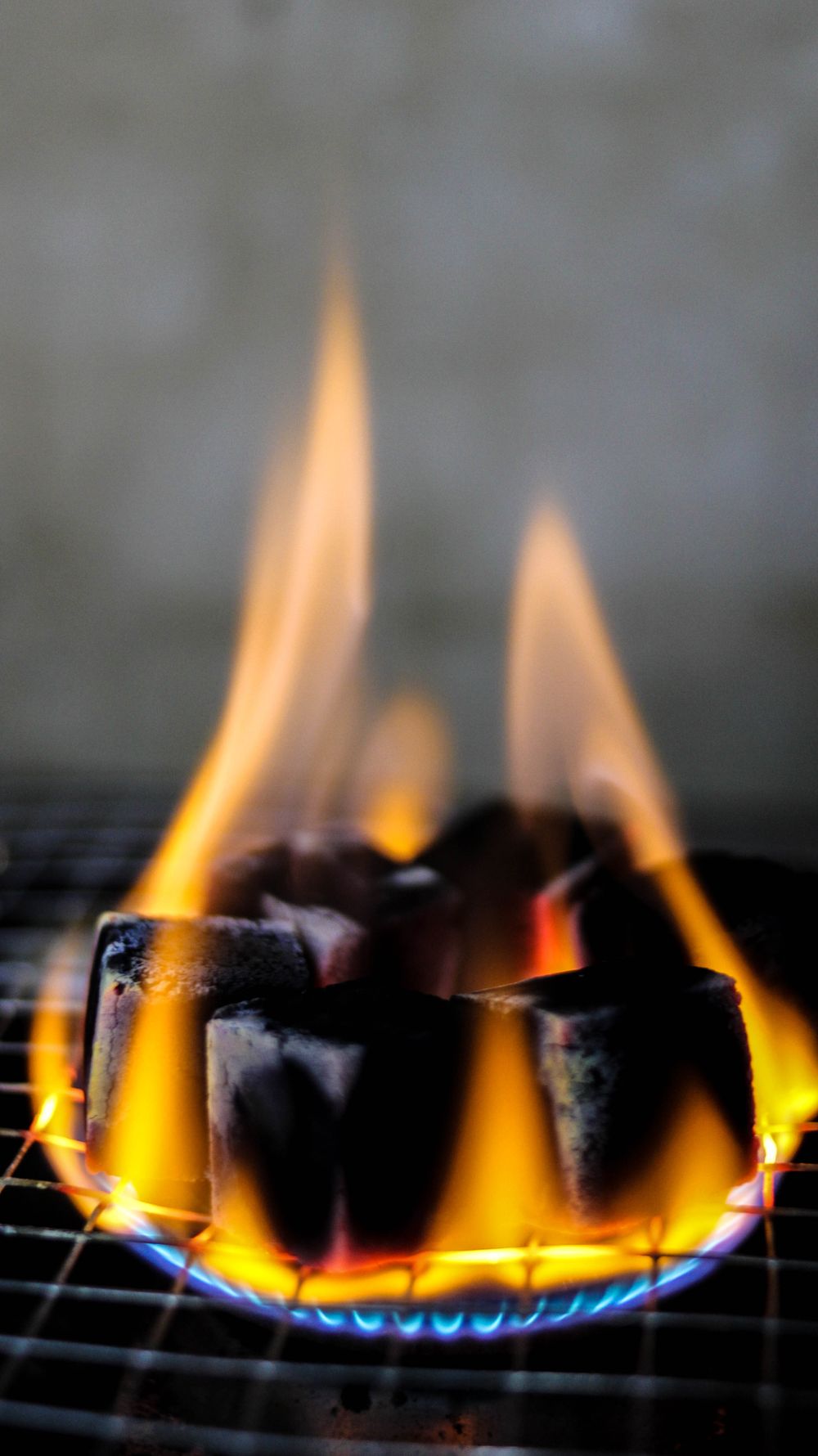
How to Light Charcoal Without Lighter Fluid
There is one right way to light charcoal, it costs about twenty five dollars, and it takes fifteen minutes.
 Technique
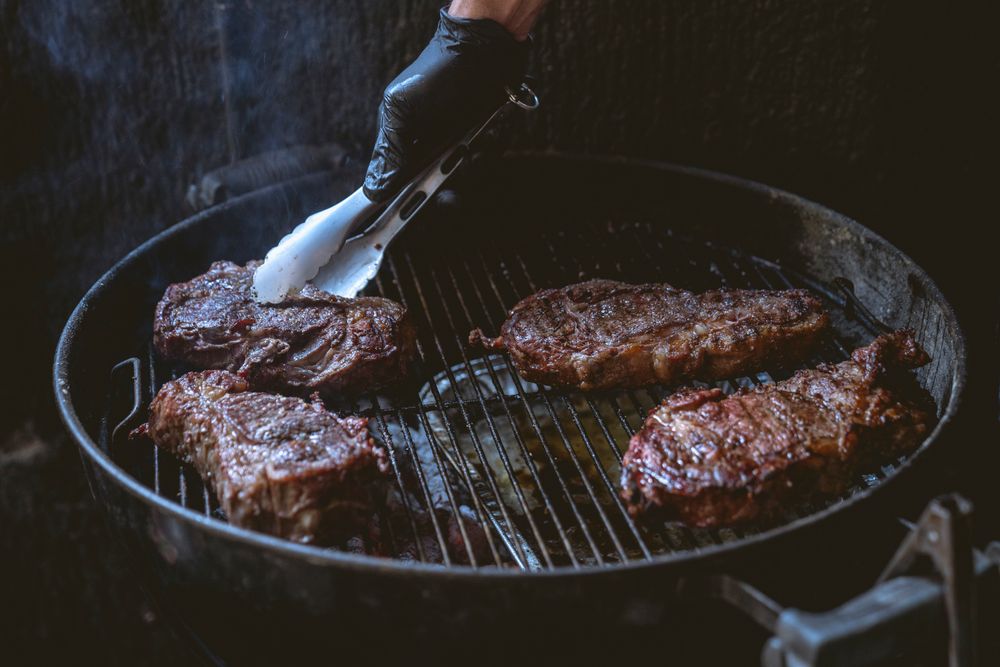
How to Set Up a Two-Zone Fire
One fire, two temperatures, and suddenly a charcoal grill can do everything an oven and a frying pan can do together.
 Technique
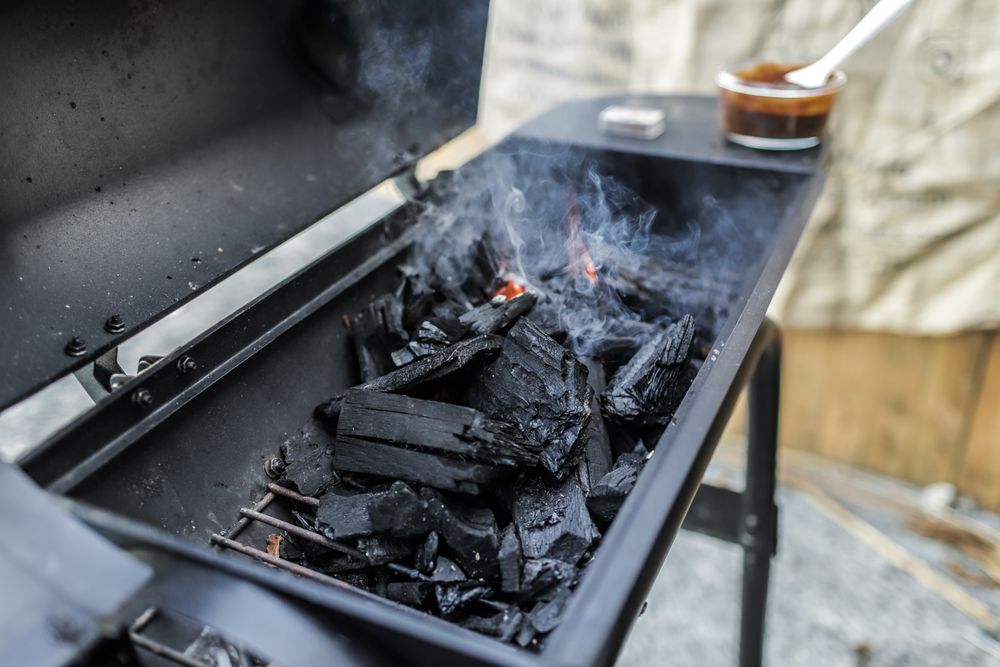
The Snake Method: Low and Slow on a Kettle
A line of unlit briquettes, lit at one end, burning along at about an inch an hour. It is the cheapest smoker you will ever build and it is already inside your kettle.