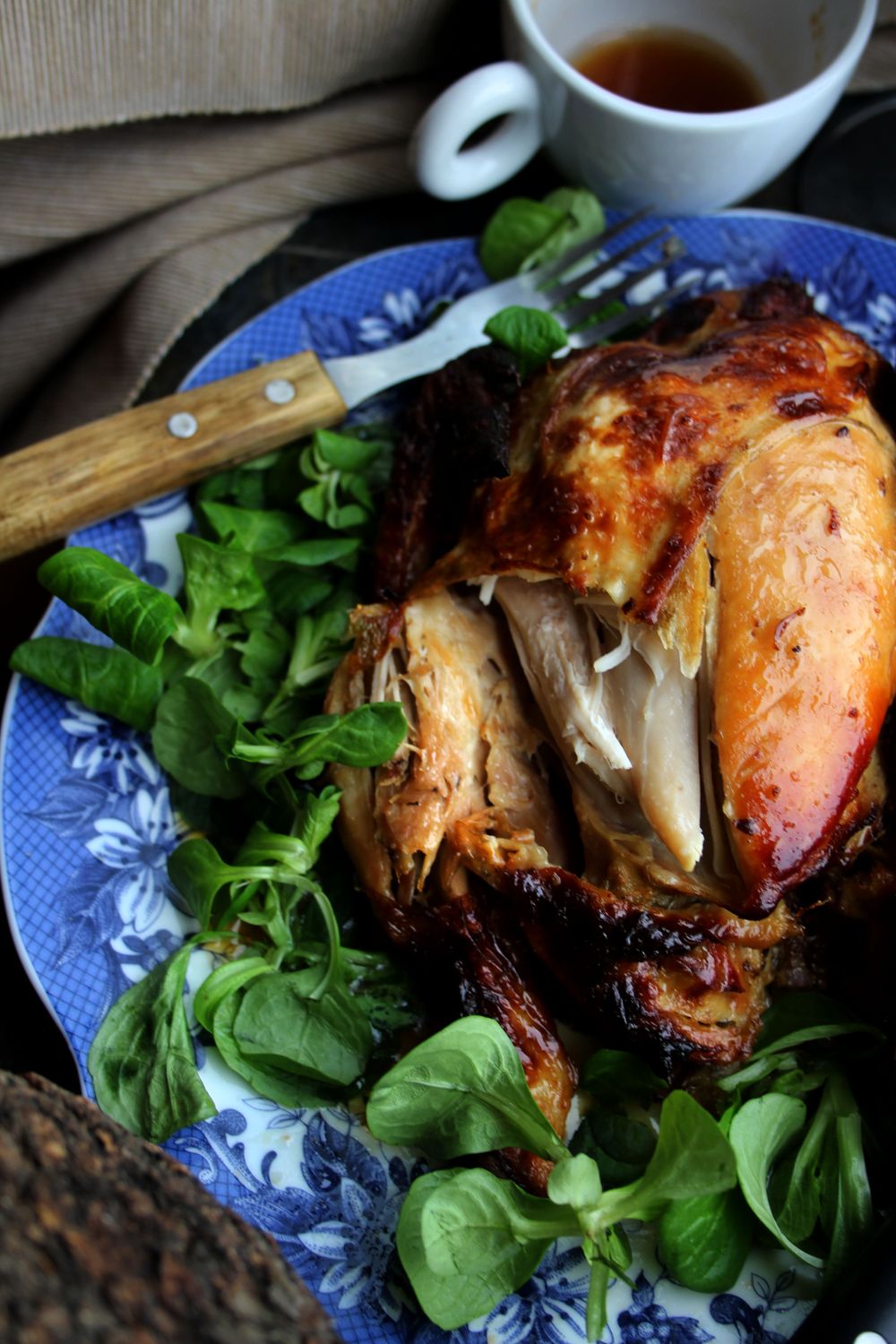
Score and dry-brine a belly-and-loin porchetta 24 hours ahead. Roll, tie and spit it over a two-sided coal bed at 150°C (300°F) for around 3 hours to an internal 65°C (145°F), then open the vents and blast the skin for the last 20 minutes.
Rotisserie ring, coals banked in two lines at the front and back, drip pan in the middle, around 150°C (300°F).
Method
Score the skin and dry-brine
Score the skin in close parallel lines about a quarter inch apart, cutting through the skin and into the fat but never into the meat. Rub salt into the skin only, place uncovered on a rack in the fridge for 24 hours. Dry skin is the entire secret to crackling.
Season the inside
Flip the belly. Score the meat side lightly, then rub in the fennel, garlic, rosemary, lemon zest, chilli, salt and pepper. Keep every bit of this off the skin, because herbs and zest burn and sugar in any form will scorch over three hours.
Roll and tie tight
Lay the loin along one edge, roll the belly around it as tightly as you can, and tie with twine at one inch intervals. Tight is important: gaps mean uneven cooking and a roll that sags off the spit. Push the spit through the centre lengthways and secure the forks hard.
Set a two-sided fire
Bank coals in two lines, front and back, with a drip pan between them directly under the meat. This gives even radiant heat on both sides and catches the considerable amount of fat that will render. Target 150°C (300°F).
Turn for around three hours
Spit on, motor running, lid on with the vent open. Top up with a dozen coals each side every 45 minutes to hold temperature. Check the internal temperature at the loin from about two hours in.
Blast the skin at the end
At an internal 60°C (140°F), open all the vents, add a fresh half chimney of lit coals to both banks, and take the lid off. Twenty minutes of direct radiant heat, still turning, until the skin blisters, bubbles and goes glassy. Pull at 65°C (145°F).
Rest, then cut with a serrated knife
Rest 20 minutes. Cut in thick rounds with a serrated knife, using a sawing motion so you go through the crackling without crushing the roll.
Notes worth knowing
- If the skin is soft at the end, it was not dry enough at the start. The 24 hour uncovered fridge stage is not optional.
- Balance the roll on the spit before lighting anything. An off-centre load will stall a rotisserie motor or wear it out.
- Any herb or garlic that ends up on the outside will be black charcoal by the end. Keep the exterior salt only.
Common questions
Can I make porchetta without a rotisserie?
Yes, cook it indirect at 150°C (300°F) turning it by hand every 30 minutes, then finish over direct heat rotating frequently. The crackling will be less even, because the rotation is doing real work here.
Belly only, or belly and loin?
Belly only is richer, more traditional in some regions, and easier to roll. Adding loin gives you leaner meat in the centre and a better slice, at the cost of a narrower cooking window since loin dries out fast past 65°C (145°F).
Cook these next
 Pork belly
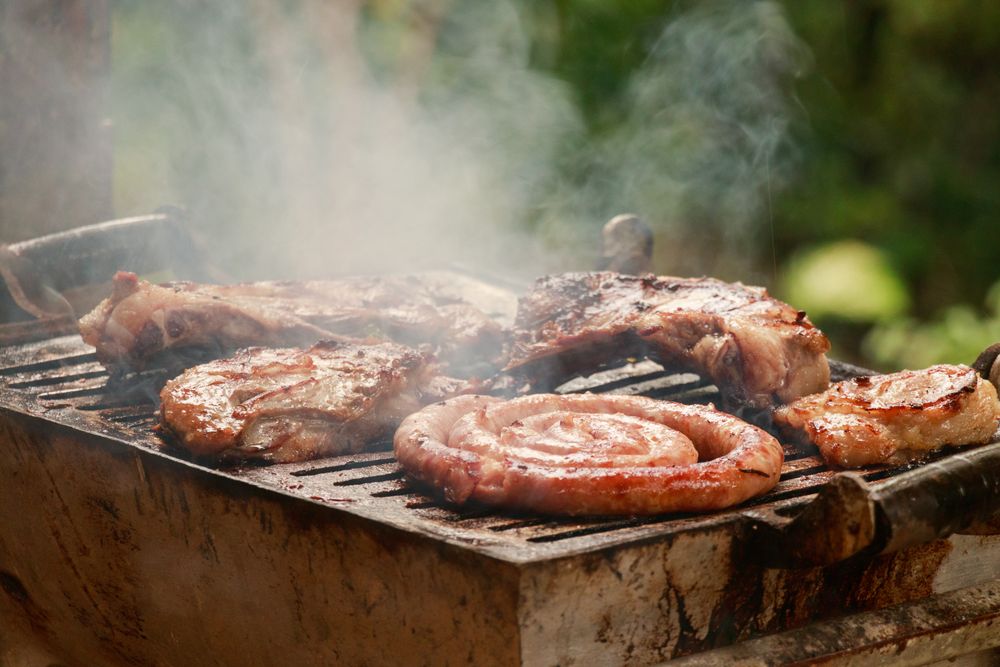
Pork Belly Burnt Ends
Cubes of pork belly smoked until the fat renders, then braised in butter and sugar until they glaze. Barbecue's answer to a confection.
 Ribs
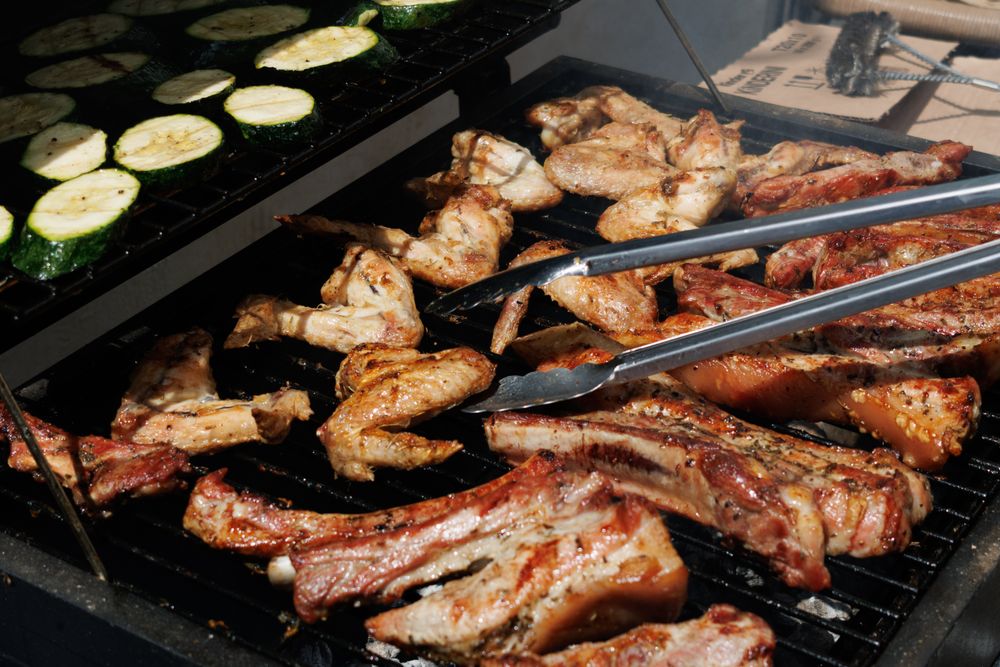
RibsBaby Back Ribs on a Charcoal Kettle
The cook that teaches you fire management, because five hours at 135°C (275°F) on a kettle is entirely achievable and entirely on you.
 Shoulder
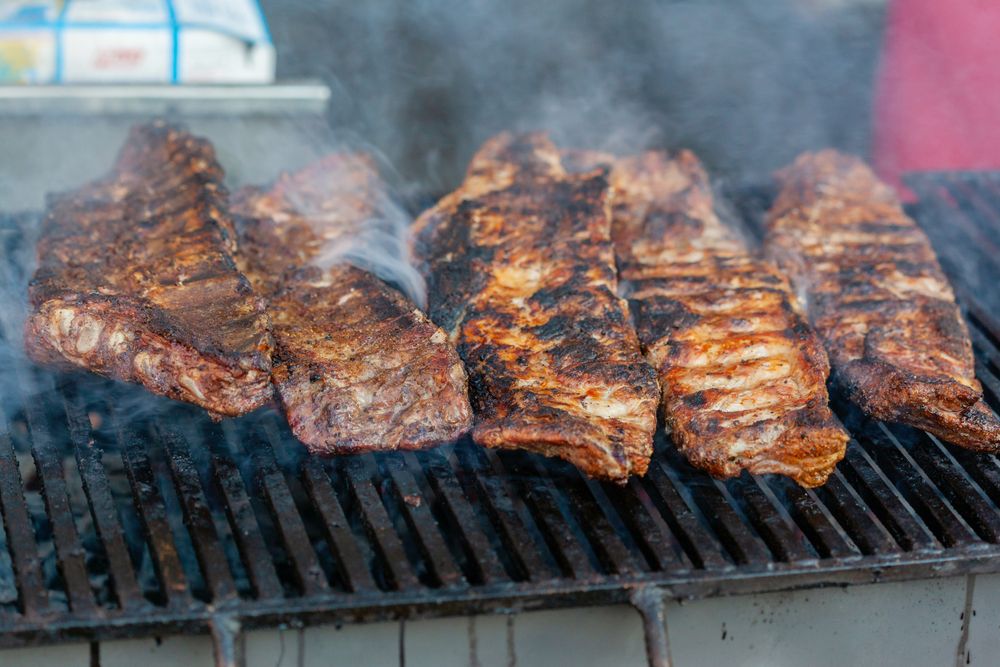
Charcoal Smoked Pulled Pork Shoulder
The most forgiving long cook in barbecue. A pork shoulder has so much fat and connective tissue that it tolerates almost every mistake you can make, which is why it should be your first project cook.