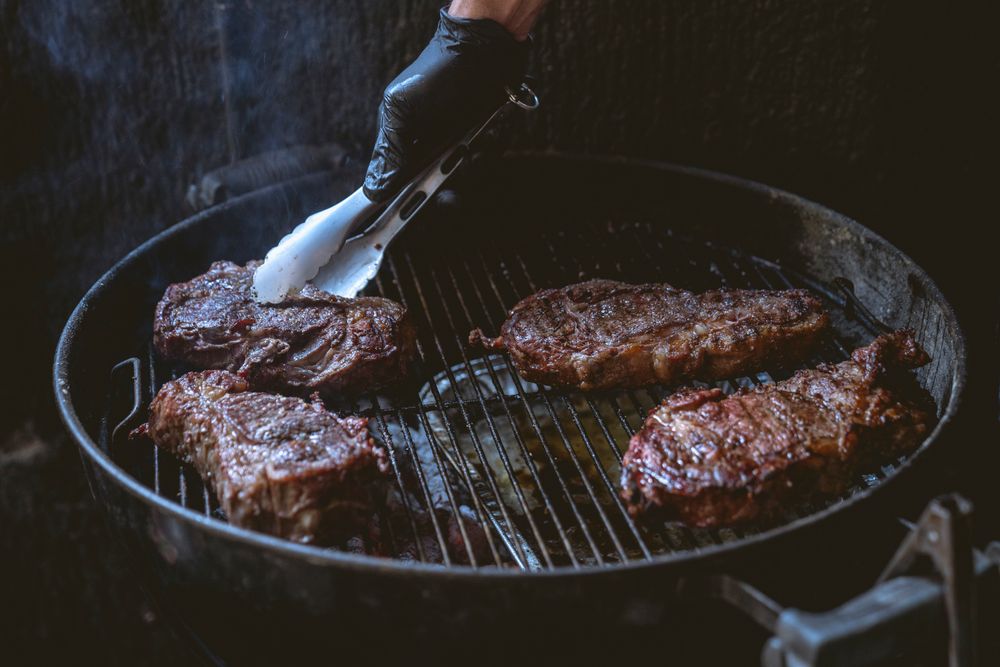
Cook a 1.5 inch ribeye on the cool side at around 120°C (250°F) until it reads 45°C (115°F) internally, roughly 30 to 40 minutes. Then sear it directly over a full bed of coals for 60 to 90 seconds a side to a final 55°C (130°F) for medium rare. Rest 5 minutes.
Two-zone. Half a chimney banked to one side to start, then the rest of the chimney added under the grate for the sear.
Method
Salt early, or salt now
Salt the steaks generously on all sides. Either do it 45 minutes ahead so the salt draws out moisture and is reabsorbed, or do it immediately before cooking. The window in between leaves the surface wet, which is the enemy of a crust. Leave them uncovered in the fridge if you have the time, then bring them out 30 minutes before cooking.
Build a small two-zone fire
Light half a chimney of charcoal. When it is fully ashed over, bank it against one side of the grill. Fit the grate, put the lid on with the top vent over the empty side, and set the vents so the cool side settles around 120°C (250°F). You want gentle, not fast.
Cook indirect to 45°C (115°F)
Put the steaks on the cool side, lid on, vent over the meat so heat draws across them. Probe the thickest part. Pull them at 45°C (115°F) for a 55°C (130°F) final medium rare, or 40°C (105°F) if you want rare. This takes 30 to 40 minutes for a 1.5 inch steak. Do not rush it and do not trust time over the thermometer.
Rest the steaks and build the fire
Take the steaks off and set them aside. Tip the rest of the lit chimney in and spread the coals into an even bed right under the grate. Leave the lid off and all vents wide. You are aiming for a bed so hot you cannot hold a hand five inches above it for more than two seconds.
Sear hard and fast
Pat the steaks completely dry, oil them lightly, and lay them straight over the coals. 60 to 90 seconds a side, turning once or twice, until the crust is deep brown and blistered. The internal temperature is already almost there, so this is purely about surface. Pull at 55°C (130°F).
Rest and cut
Five minutes on a warm plate, loosely tented. Because the steak came up slowly, the interior is already an even temperature and needs far less resting than a conventionally grilled steak. Slice against the grain.
Notes worth knowing
- Under 1.25 inches thick, skip the reverse sear entirely. There is not enough mass to benefit and you will overcook it. Just sear it hot.
- If the crust is not forming, the surface is wet or the fire is not hot enough. Dry it harder, and let the coals fully ash over.
- Fat dripping onto bare coals will flare. That is flavour if it is brief and soot if it is sustained, so move the steak, do not let it sit in flame.
Common questions
Why cook the steak slowly first?
Searing a cold thick steak means the outside overcooks long before the middle warms, which produces the grey band under the crust. Bringing it up gently first means the whole interior arrives at target together, so the sear only has to build a crust.
Do I need to rest a reverse seared steak?
Much less than a conventionally cooked one. The temperature gradient through the meat is already shallow, so juices are not being driven to the centre. Five minutes is plenty.
Cook these next
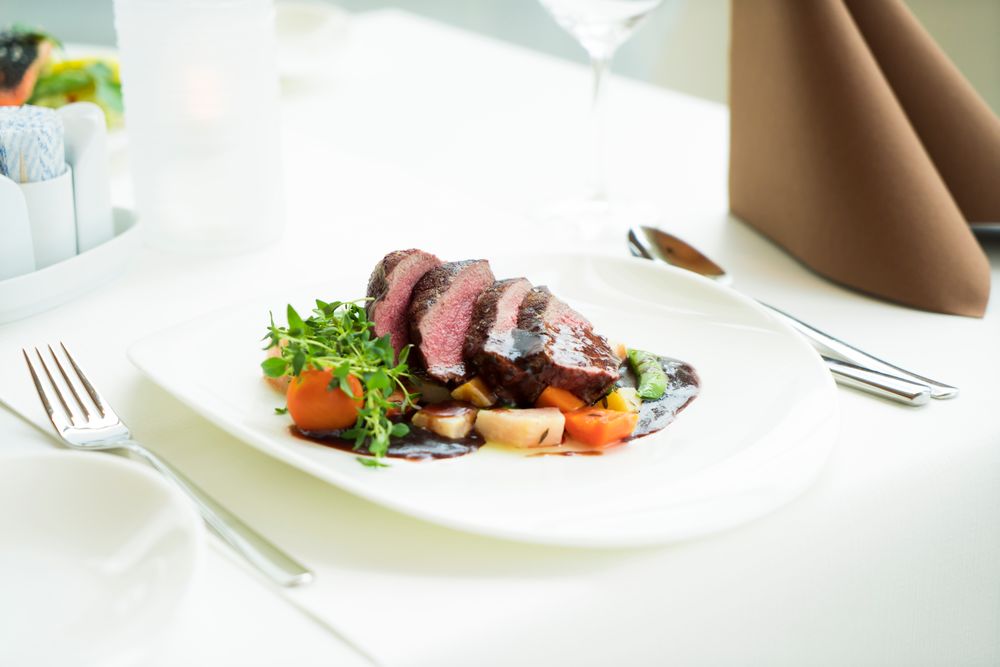 Steak
SteakSanta Maria Tri-Tip Over Coals
California's contribution to live-fire cooking: a whole tri-tip, salt pepper and garlic, cooked over red oak and sliced across two different grains.
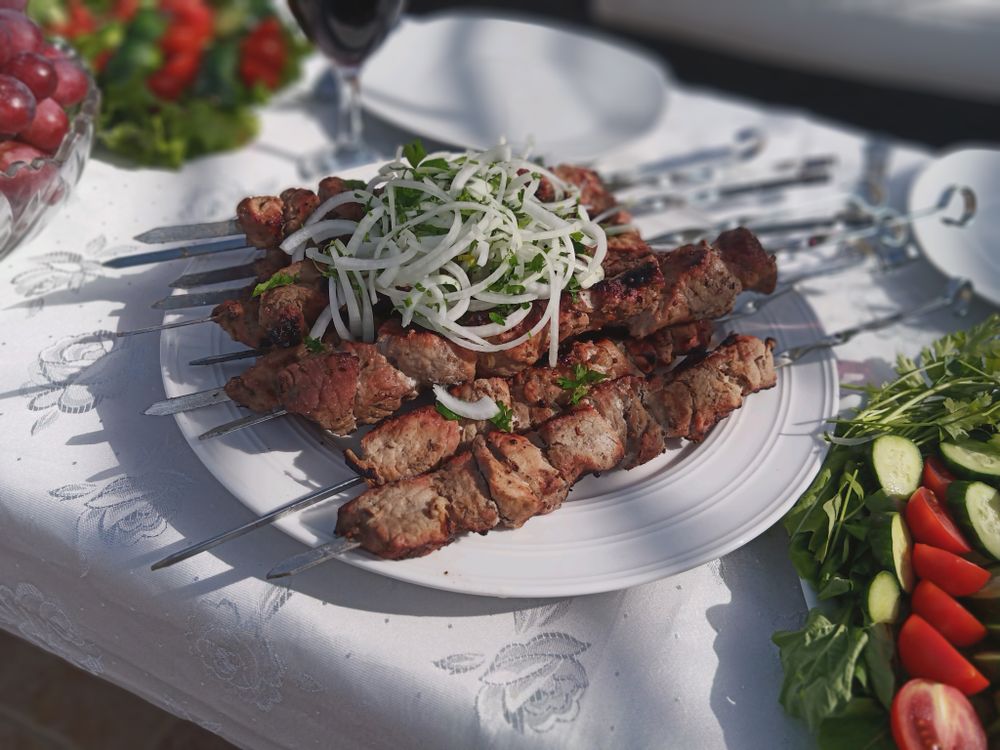 Steak
SteakPicanha Skewers Over Charcoal
The Brazilian churrasco cut, bent into a C on a skewer so the fat cap faces out and bastes the meat as it renders.
SteakGrilled Skirt Steak with Chimichurri
Skirt is the most flavourful cheap steak there is, and it wants one thing: a screaming fire and about two minutes a side.