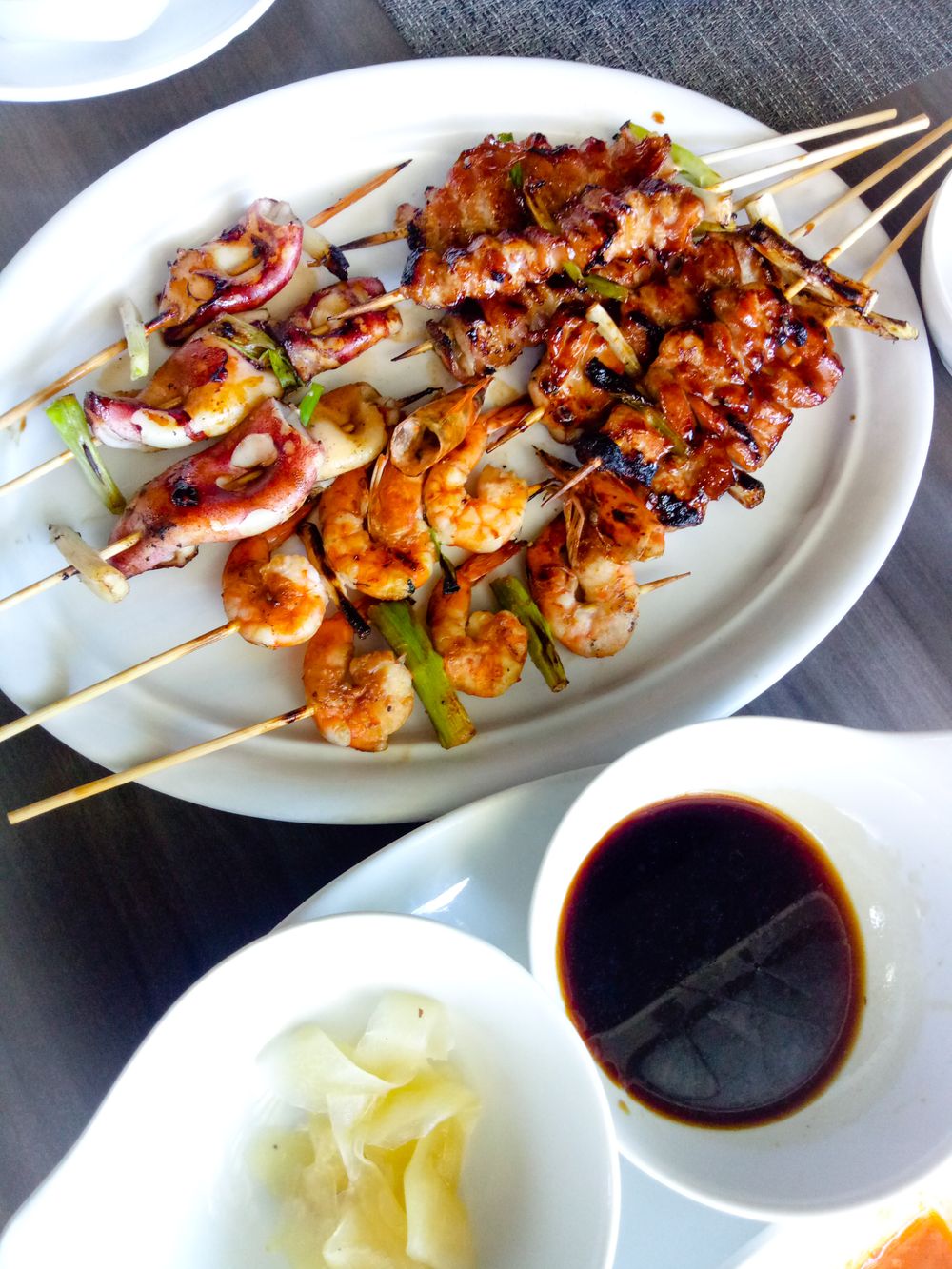
Butterfly shell-on prawns, marinate 20 minutes in garlic, chilli, lemon and oil, and skewer them flat on two parallel skewers. Cook 2 to 3 minutes a side over a hot bed until the shells are pink and lightly charred. They are done at 50°C (120°F).
Method
Keep the shells on
Shells protect the delicate flesh from direct radiant heat and hold in moisture, and they carry an enormous amount of flavour. Butterfly each prawn by cutting down the back through the shell, and lift out the dark vein.
Marinate briefly
Mix the garlic, chilli, lemon zest, oil and half the parsley, and toss the prawns through it. Twenty minutes only. The lemon juice goes on at the end rather than now, because acid starts to cure the flesh and turns it opaque and firm before it reaches the fire.
Double skewer
Thread the prawns onto two parallel skewers rather than one. A single skewer lets them spin when you turn them, so half end up uncooked. Two skewers lock them flat and let you turn a whole row at once.
Hot and fast
Straight over a hot bed of coals, butterflied side down first. Two to three minutes, until the shells turn pink and blister and the flesh at the cut goes opaque.
Flip once and finish
Another one to two minutes on the shell side. Total is about four to five minutes. The moment the flesh is opaque all the way through and the tails have curled into a loose C, they are done.
Dress off the heat
Pile them onto a platter, squeeze over the lemon juice, add the rest of the parsley, more olive oil and coarse salt. Eat with your hands.
Notes worth knowing
- A prawn curled into a tight O is overcooked. A loose C is right.
- Head-on prawns are worth seeking out. The heads hold most of the flavour and protect the flesh further.
- Do not walk away from the grill for this one. The entire window between perfect and rubbery is about ninety seconds.
Common questions
Should I devein prawns before grilling?
For large prawns, yes. The vein is the digestive tract and is gritty in big specimens. Butterflying the shell gives you access to it and also helps them cook evenly.
Fresh or frozen prawns?
Frozen at sea is usually the better product unless you live somewhere with genuine day-boat prawns. Most prawns sold as fresh have been previously frozen anyway. Defrost slowly in the fridge and dry them well.
Cook these next
 Steak
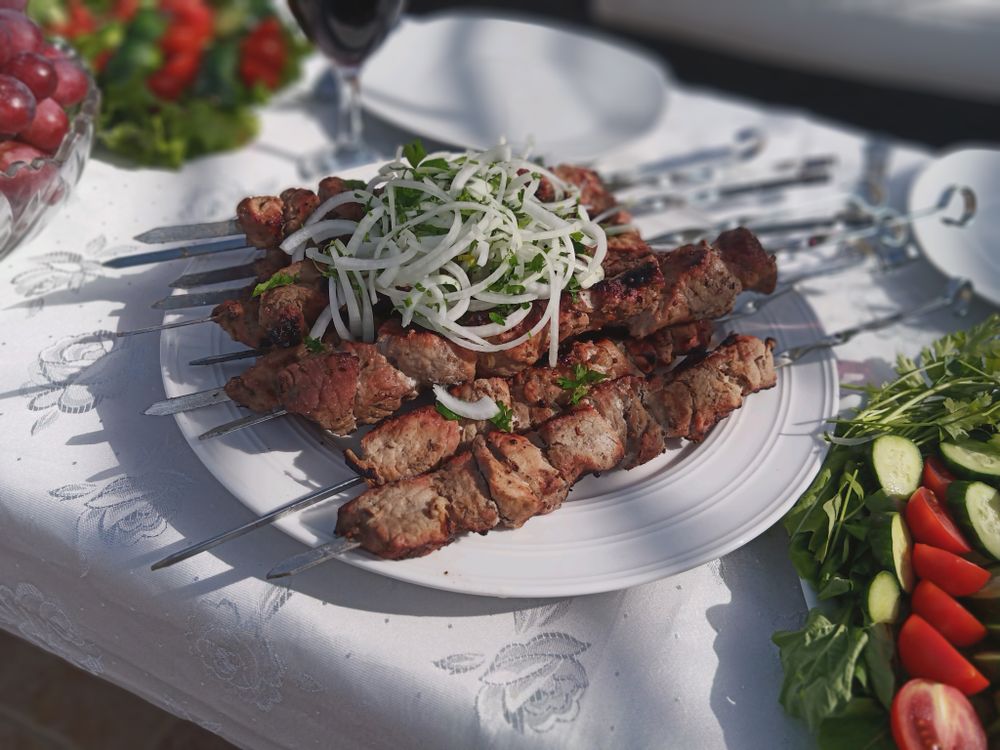
SteakPicanha Skewers Over Charcoal
The Brazilian churrasco cut, bent into a C on a skewer so the fat cap faces out and bastes the meat as it renders.
 Skewers
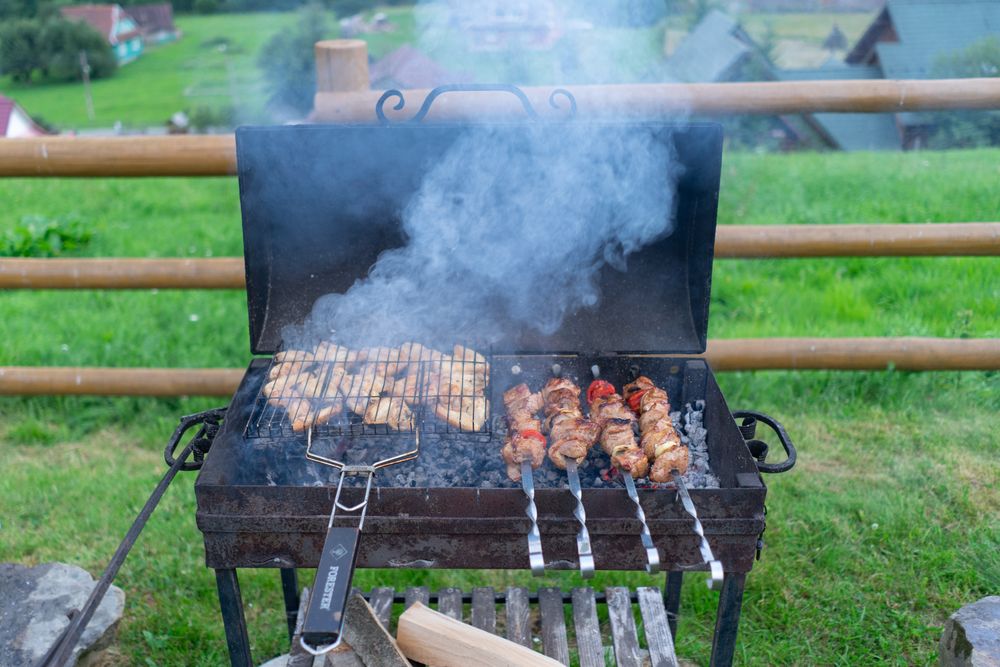
Yakitori Over Binchotan
Small skewers, a narrow bed of coals and no lid. Yakitori is charcoal cooking reduced to its essentials, which is exactly why the fuel matters so much.
 Shellfish
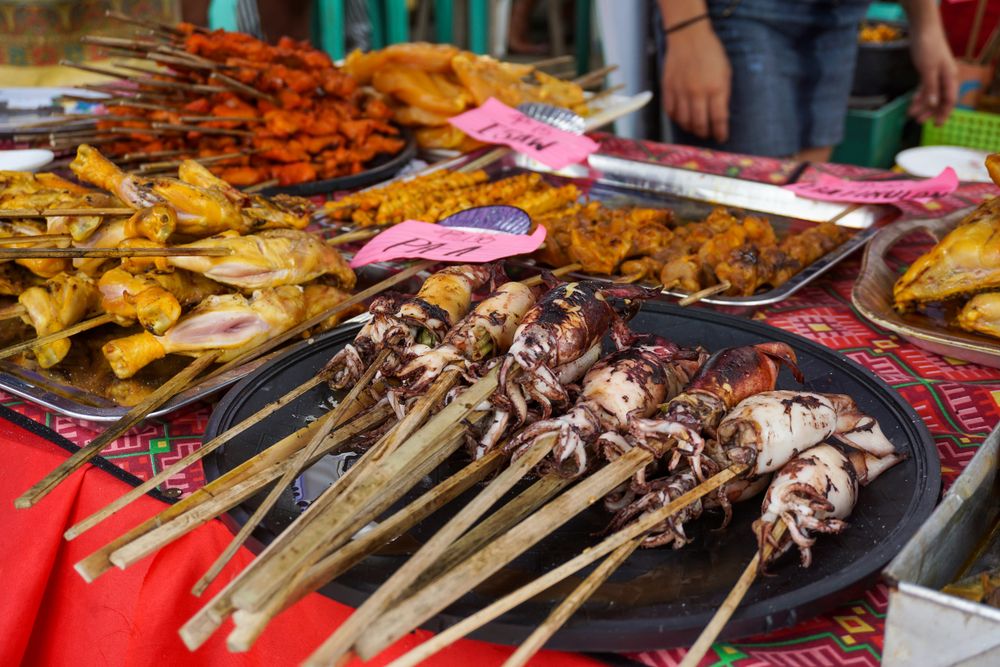
Charcoal Grilled Octopus
Octopus needs two entirely different cooking processes: a long gentle simmer to tenderise, then a violent short char. Skip either and you get rubber.