Why wrap at all
Somewhere around 70°C a large cut stalls, as evaporation from the surface cools it as fast as the fire heats it. Wrapping stops the evaporation and pushes through the stall, cutting hours off the cook and keeping the meat moist. The cost is the bark, which softens inside a wrap.
The three options
| Method | Effect |
|---|---|
| Butcher paper | Breathes a little, so bark survives; pushes through the stall; the Texas brisket standard |
| Foil | Seals completely, fastest and most tender, softens the bark most; the 'Texas crutch' |
| Naked | Best, hardest bark; longest cook; needs a stable fire and patience |
What to use when
- Brisket: butcher paper, for the balance of speed and bark.
- Pork shoulder: foil, because it gets shredded anyway so soft bark does not matter, and the trapped juices are gold.
- Ribs: foil with butter for a tender, glazed rib; naked for a firmer, chewier one.
- Beef short ribs: naked, because they have enough fat to get through the stall and the bark is the best part.
The naked case
If your cooker holds a steady temperature and you have the time, cooking unwrapped gives the best bark full stop. It takes longer and demands a reliable fire, but nothing wrapped ever matches the crust of a brisket that spent twelve hours in clean smoke with nothing between it and the air.
More from the journal
 Journal
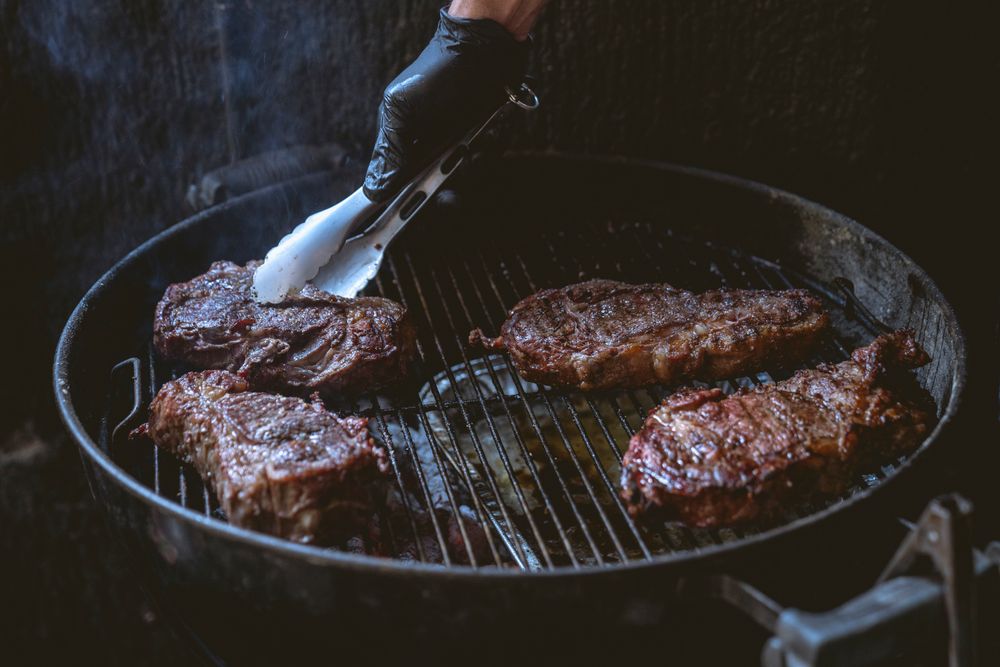
Charcoal vs Gas: The Honest Answer
Charcoal does taste different, for reasons that have very little to do with the fuel itself.
 Journal
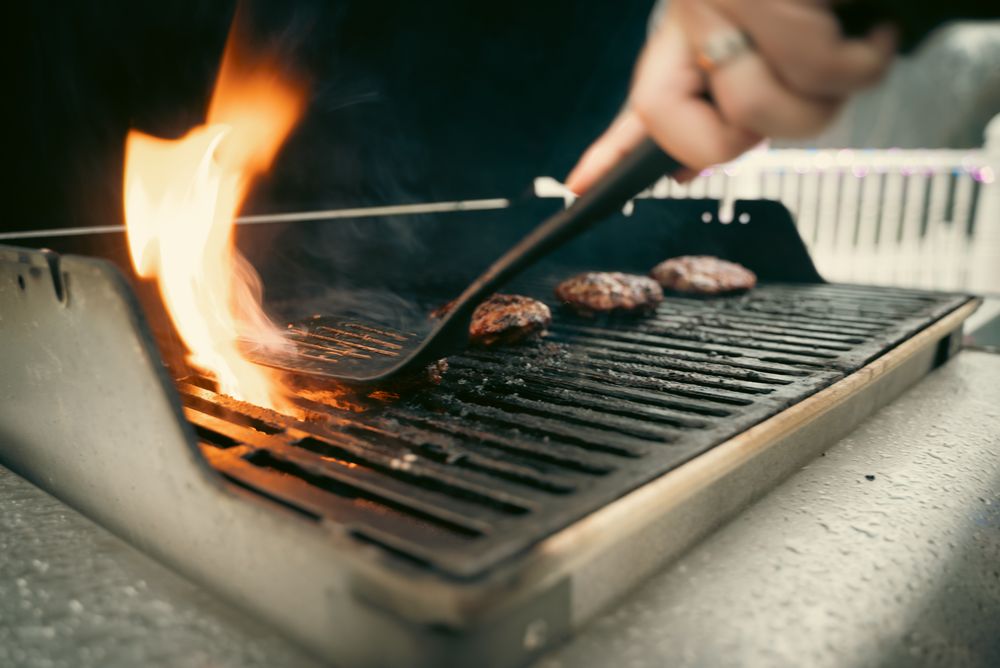
Nine Charcoal Grilling Mistakes Almost Everyone Makes
None of these are exotic. All of them are the difference between food that is fine and food that is genuinely good.
 Journal
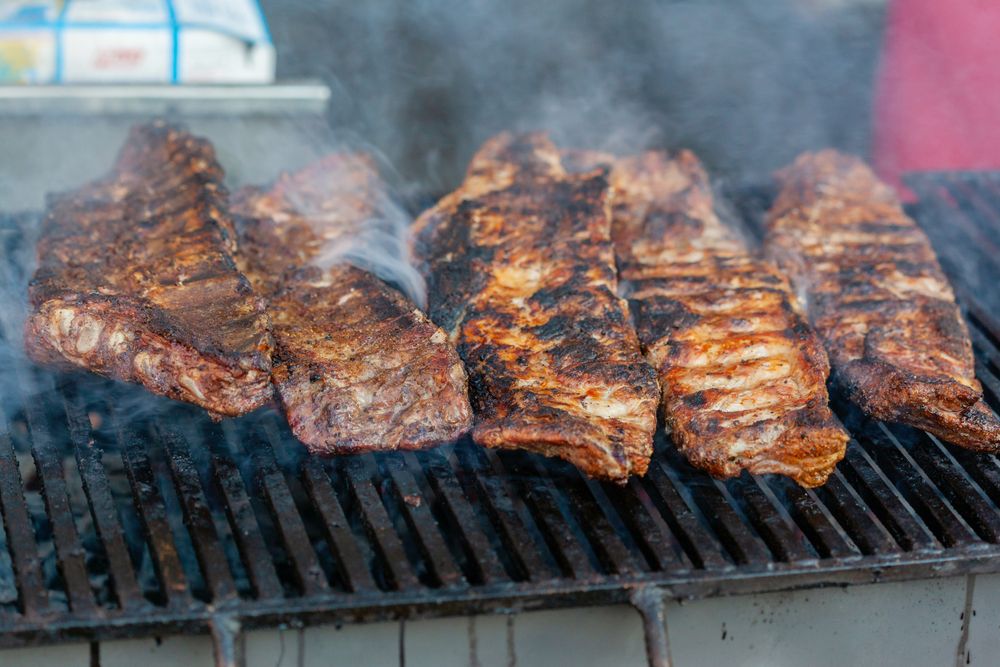
Barbecue Myths That Will Not Die
Barbecue advice is passed down more than it is tested, which is how these survive.