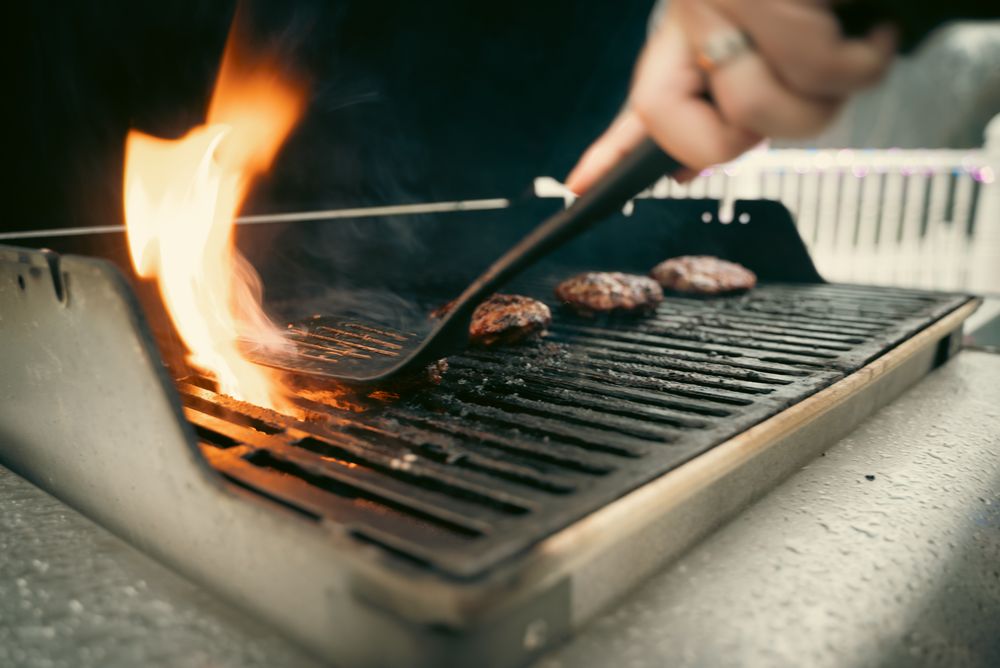
1. Cooking before the coals have ashed over
Black coals with orange edges are still outgassing. Put food on now and it absorbs that raw start-up smoke, which is where a great deal of unpleasant charcoal flavour comes from. Wait for grey ash across the top of the chimney.
2. Using lighter fluid
It leaves petroleum residue on the fuel and therefore in the food. A chimney starter costs twenty five dollars, lights faster and more reliably, and removes the problem entirely.
3. Spreading all the coals evenly
An even bed gives you exactly one temperature and nowhere to move food when it starts to burn. Bank the coals to one side. The two zone fire is the single most useful technique in charcoal cooking.
4. Cooking meat straight from the fridge
A cold thick steak will char on the outside long before the centre warms. Thirty to forty minutes at room temperature narrows the gap and makes the whole cook more predictable.
5. Trusting the lid thermometer
It measures air at the dome, usually -5°C (25°F) to 10°C (50°F) away from grate temperature, and it is rarely calibrated. Clip a probe at grate level next to the food.
6. Using far too much wood
Three or four fist-sized chunks is right for a long cook. A basket of wood smouldering without enough oxygen produces creosote, and food cooked in thick white smoke tastes bitter rather than smoky.
7. Opening the lid constantly
Every lift dumps the hot air and costs roughly fifteen minutes on a low and slow cook. On a long cook there is nothing to see for the first several hours. Put a probe in and leave it alone.
8. Cooking to time instead of temperature
Every recipe time on this site, including ours, is an estimate that depends on thickness, starting temperature, wind and your particular fire. A thermometer converts guessing into knowing, and it is the highest-value purchase in outdoor cooking.
9. Not resting the meat
Cutting a steak straight off the fire empties the juices onto the board. Five minutes for a steak, an hour for a shoulder, two or more for a brisket. Resting is part of the cooking, not a pause after it.
More from the journal
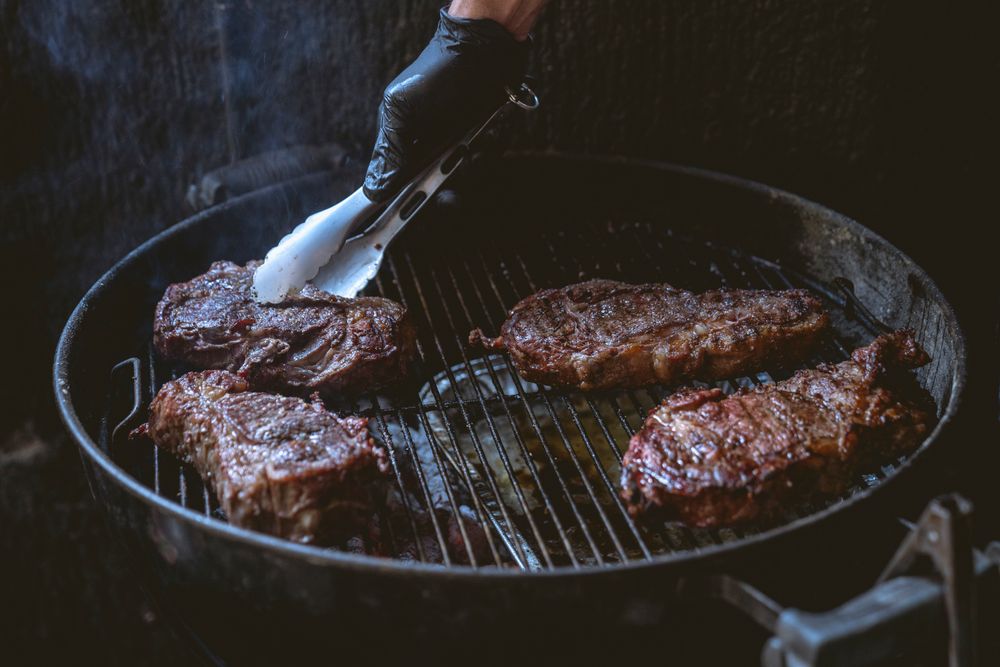 Journal
Charcoal vs Gas: The Honest Answer
Charcoal does taste different, for reasons that have very little to do with the fuel itself.
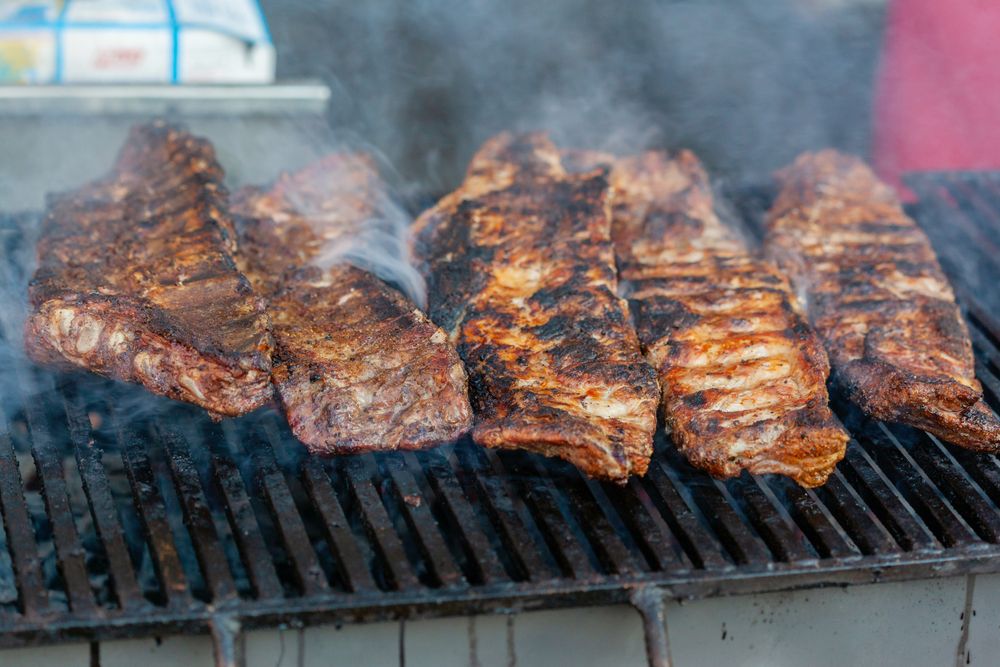 Journal
Barbecue Myths That Will Not Die
Barbecue advice is passed down more than it is tested, which is how these survive.
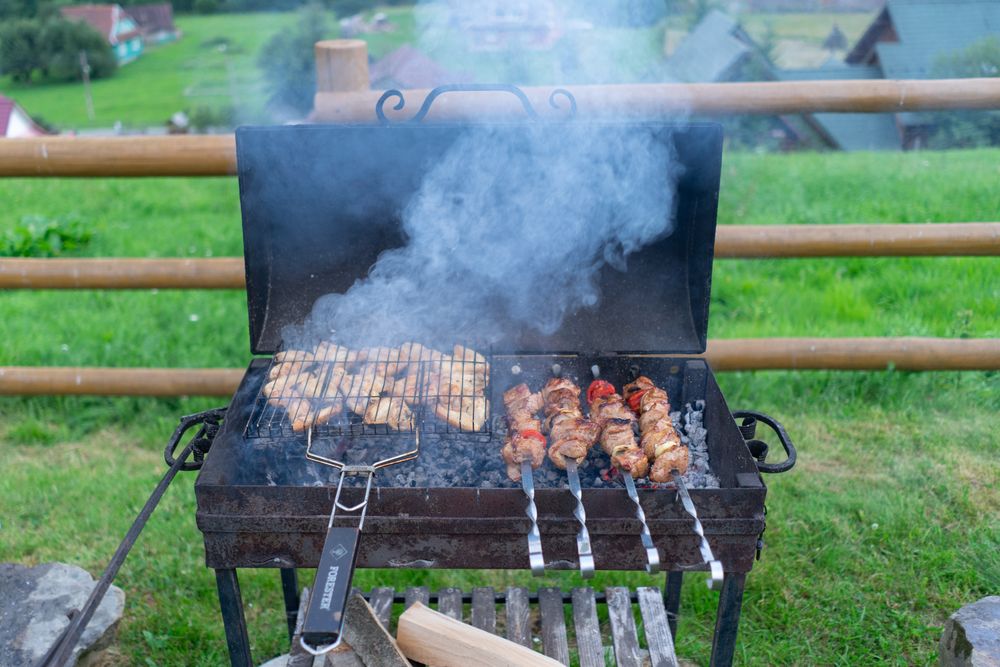 Journal
How to Buy a Charcoal Grill Without Wasting Money
Almost every feature on a charcoal grill is negotiable. Four things are not.