The two types
There are two kinds worth owning. An instant-read thermometer, which you poke into food for a fast, accurate spot check, and a leave-in probe, which stays in the meat and monitors it throughout a long cook, often with a second probe for the grate temperature. They do different jobs and serious cooks own both.
Instant-read
For steaks, chops, chicken and any quick cook, an instant-read is what you want: a fast, accurate reading in a second or two. The premium ones read in about one second to within a degree, which is genuinely useful when a steak is thirty seconds from overdone. Cheaper ones are slower but honest and still transform your cooking.
Leave-in probe
For long cooks, a leave-in probe that you can watch from indoors is what makes an overnight brisket survivable. The important probe is the one clipped at grate level, because the dome thermometers on kettles and drums can read many degrees away from where the food actually sits. Wireless probes remove the trailing cable, which matters for rotisserie and closed-lid cooking.
| You mostly cook | Buy |
|---|---|
| Steaks, chops, quick grilling | Instant-read first |
| Long smokes, roasts, overnight cooks | Leave-in probe first |
| Rotisserie or closed-lid | Wireless probe |
| Everything, seriously | One of each |
The honest advice
If you buy one, buy a decent instant-read; it improves every cook you do. You do not need to spend a fortune. A slower, cheaper thermometer that you actually use beats an expensive one you left in a drawer. The habit of checking temperature matters more than the brand.
More from the journal
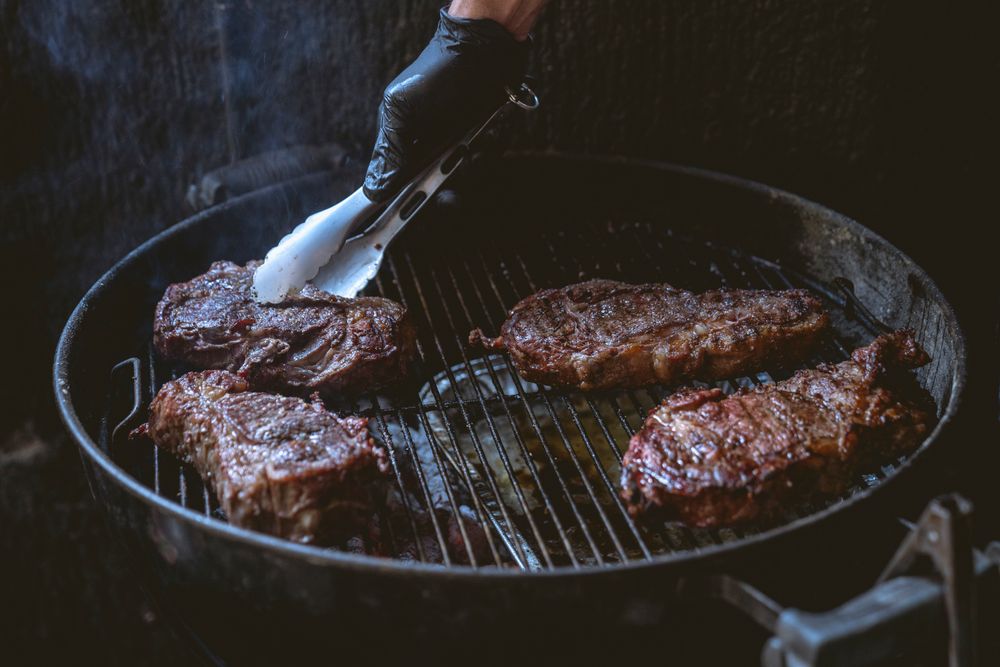 Journal
Charcoal vs Gas: The Honest Answer
Charcoal does taste different, for reasons that have very little to do with the fuel itself.
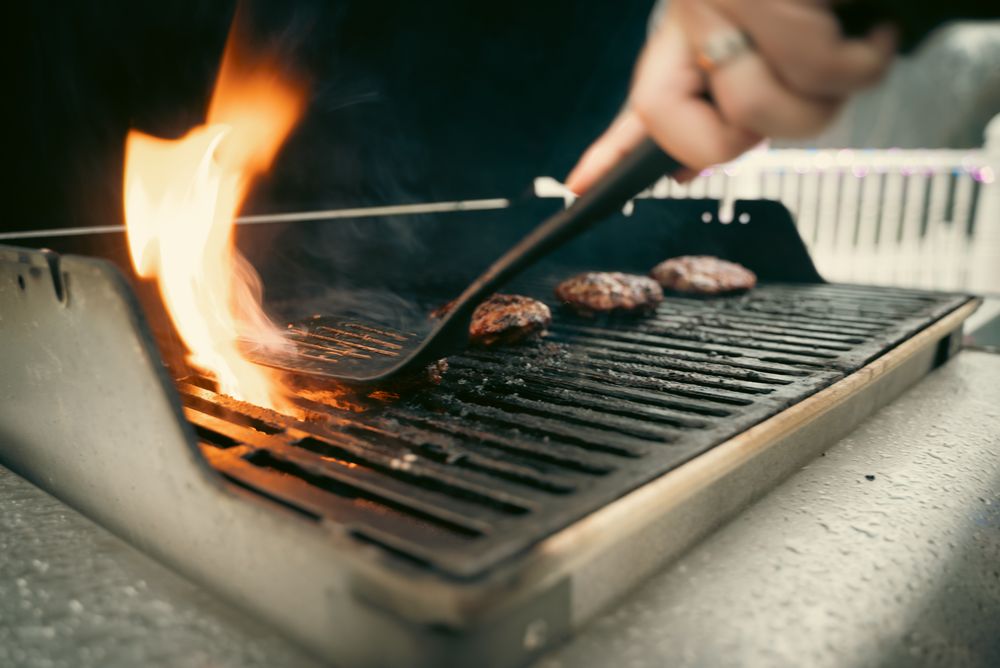 Journal
Nine Charcoal Grilling Mistakes Almost Everyone Makes
None of these are exotic. All of them are the difference between food that is fine and food that is genuinely good.
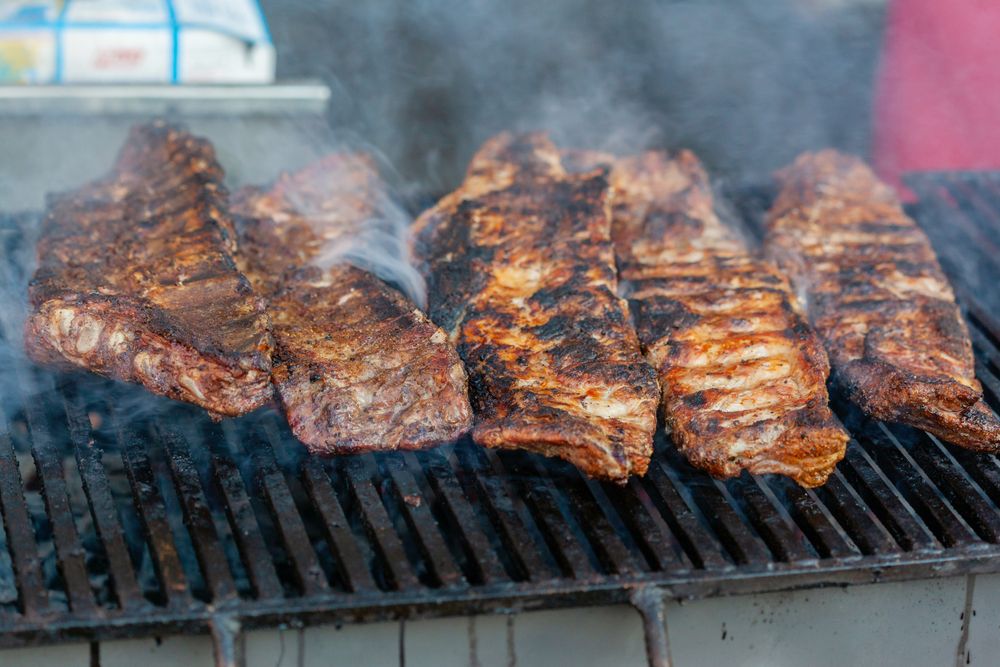 Journal
Barbecue Myths That Will Not Die
Barbecue advice is passed down more than it is tested, which is how these survive.