What it is
Binchotan is a Japanese white charcoal made from ubame oak, fired at very high temperature until it is almost pure carbon and rings like stone when struck. It burns with almost no smoke and almost no flame, just intense, even, radiant infrared heat that lasts for hours.
Why yakitori chefs use it
Yakitori is small skewers cooked a few inches above the coals, with no lid, for several minutes at a time. That wants exactly what binchotan gives: steady radiant heat, no smoke to taint delicate chicken, and no flare-ups from a fat dripping onto flame. On a small konro grill it is the correct fuel, and the difference is real.
The downsides
- It is expensive, several times the price of good lump.
- It is genuinely hard to light; you need a chimney or a gas burner and twenty minutes of patience.
- It is wasted on long smoky cooks, where you want smoke and flame, not clean radiant heat.
Is it worth it?
For yakitori, konro grilling and anything where you want pure clean heat close to the food, yes, without question. For a brisket, a burger or a general barbecue, no; ordinary lump or briquettes are better and far cheaper. Buy binchotan for a specific job, not as a general fuel.
Binchotan can be snuffed out by cutting off its air and relit several times, which softens the sting of the price. Store the used pieces dry and light them again next time.
More from the journal
 Journal
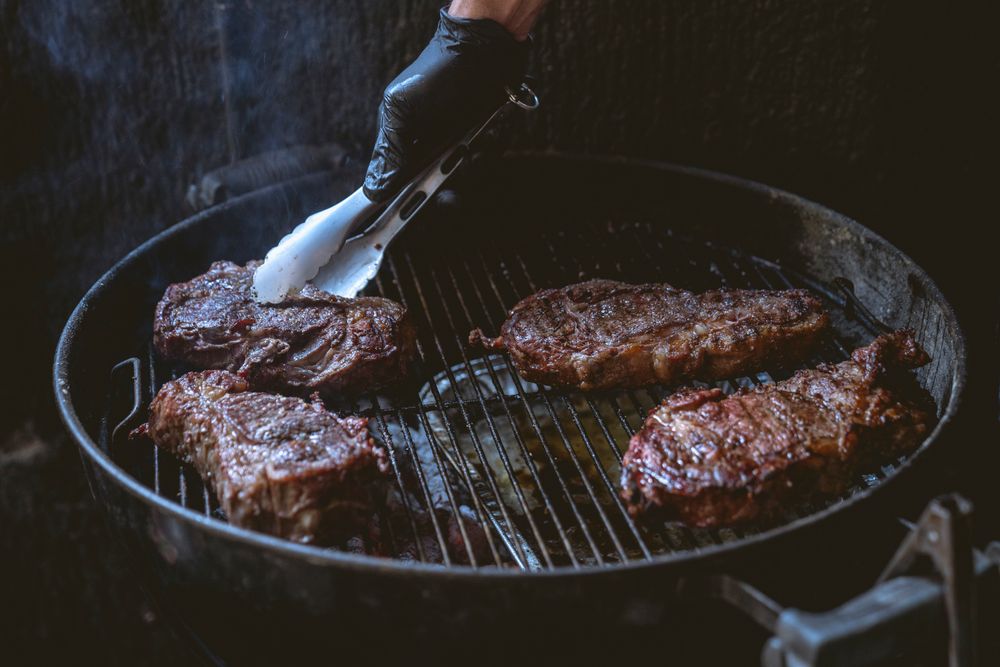
Charcoal vs Gas: The Honest Answer
Charcoal does taste different, for reasons that have very little to do with the fuel itself.
 Journal
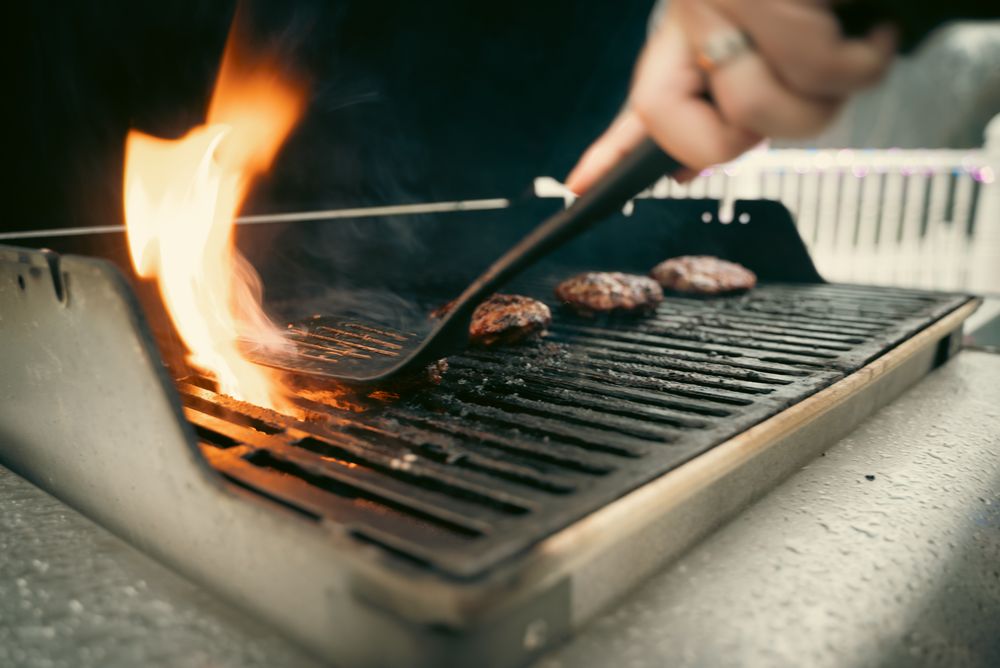
Nine Charcoal Grilling Mistakes Almost Everyone Makes
None of these are exotic. All of them are the difference between food that is fine and food that is genuinely good.
 Journal
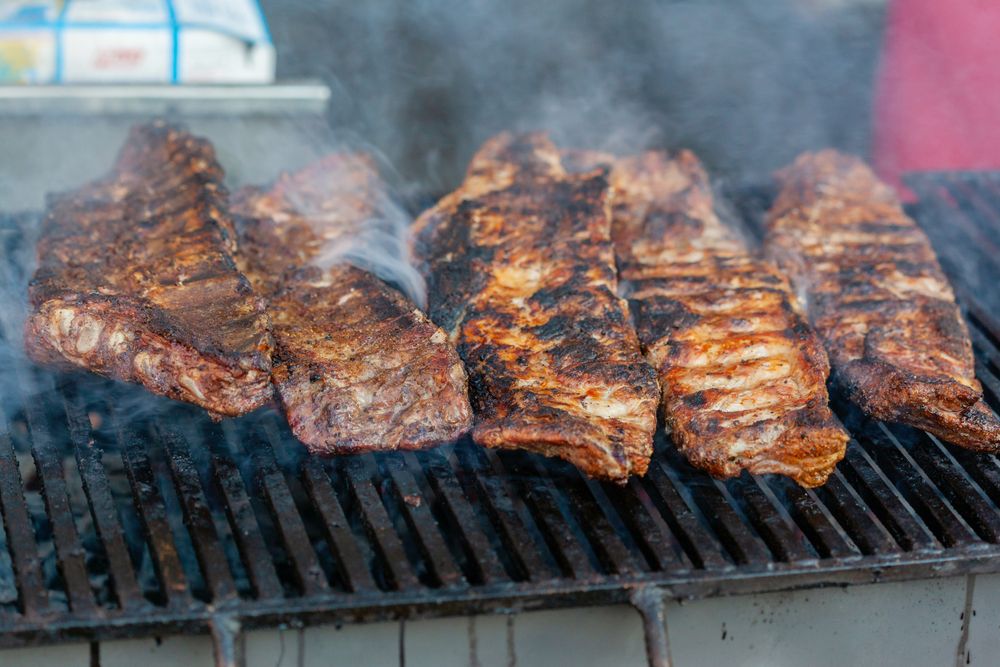
Barbecue Myths That Will Not Die
Barbecue advice is passed down more than it is tested, which is how these survive.