What is happening
Somewhere between 65 and 75°C, the internal temperature of a large cut stops rising and can sit still for hours. This is the stall, and the cause is evaporation. As the meat heats, moisture evaporates from the surface, and that evaporation cools the meat as fast as the fire heats it. It is exactly the same mechanism as sweating.
Why it is not a problem
The stall is a sign that everything is working. The meat is not stuck; the collagen is breaking down and the fat is rendering during those hours. It will break through the stall on its own if you leave it alone and hold your nerve. Many a good brisket has been ruined by a panicking cook cranking the heat.
How to push through it
- Do nothing: leave it, and it will climb again in its own time. The purist's route, and it gives the best bark.
- Wrap it: foil or butcher paper stops the evaporation and pushes through the stall, cutting hours off the cook. This is the Texas crutch.
- Raise the heat slightly: a modest bump helps, but too much dries the surface.
The stall is why you never cook a brisket to a deadline. Start hours earlier than you think you need to, and rest the finished brisket in a cooler for up to four hours. A brisket that finished at noon and rested until dinner is better, not worse.
The lesson it teaches
The stall is the moment barbecue teaches you patience. The cook who trusts the process, leaves the lid down and waits is rewarded; the one who fiddles and panics is not. Learn to sit with the stall and you have learned most of what low and slow asks of you.
More from the journal
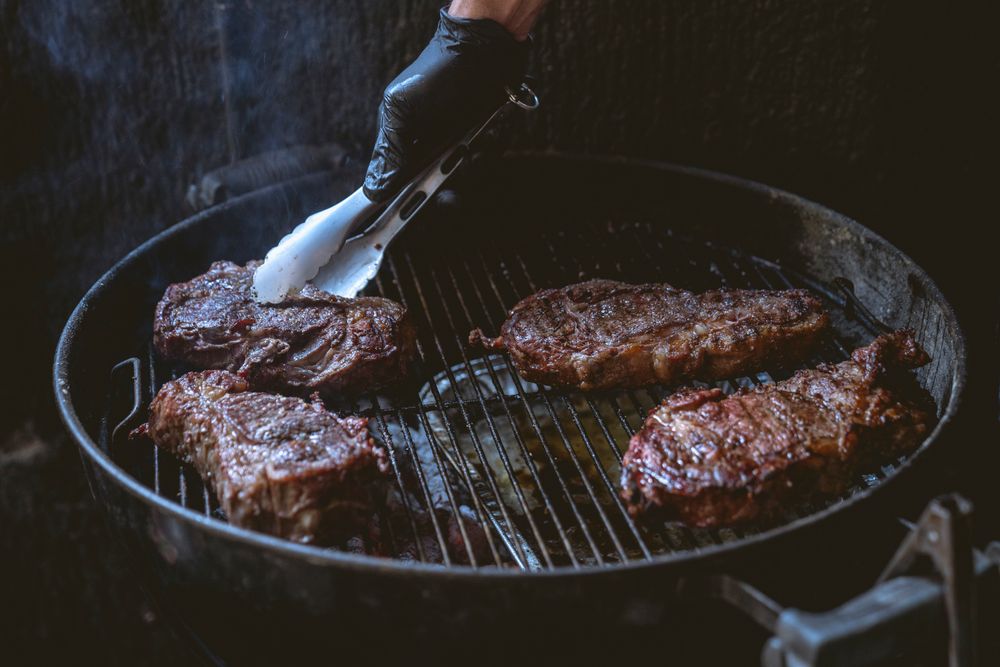 Journal
Charcoal vs Gas: The Honest Answer
Charcoal does taste different, for reasons that have very little to do with the fuel itself.
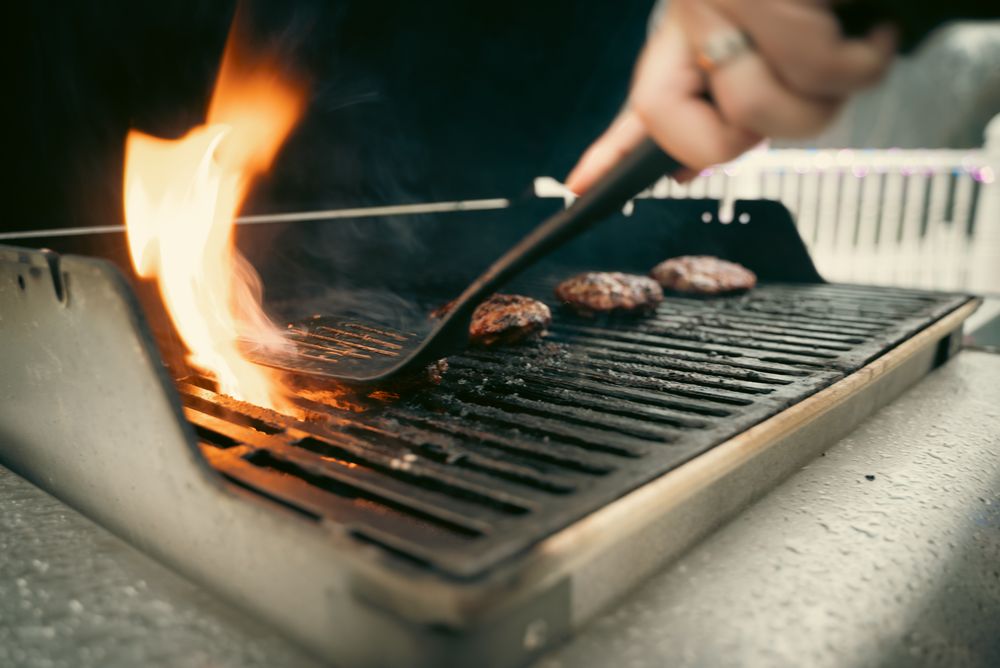 Journal
Nine Charcoal Grilling Mistakes Almost Everyone Makes
None of these are exotic. All of them are the difference between food that is fine and food that is genuinely good.
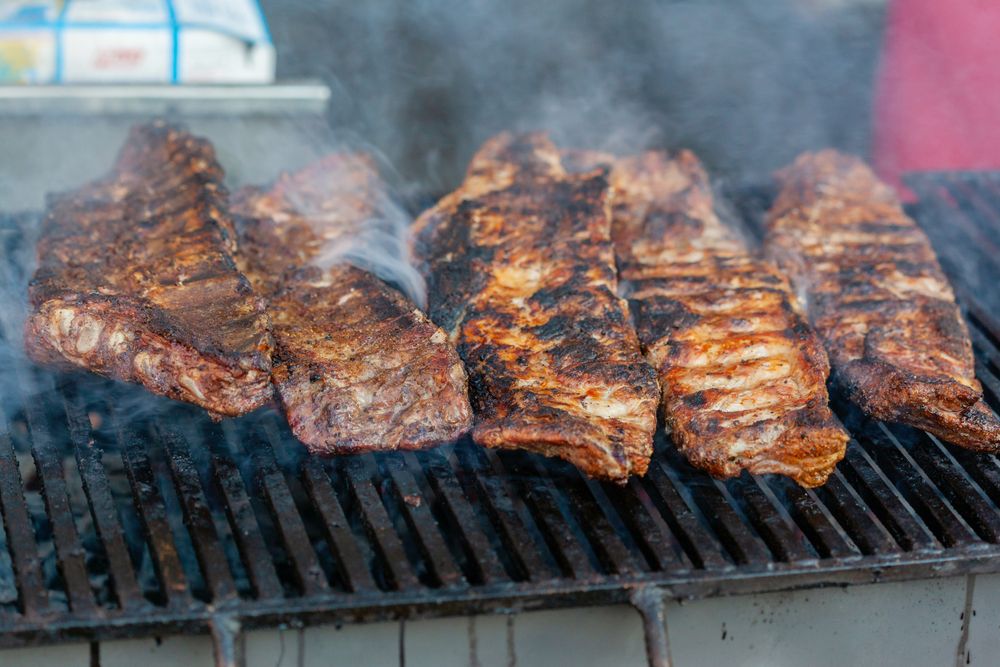 Journal
Barbecue Myths That Will Not Die
Barbecue advice is passed down more than it is tested, which is how these survive.