What it actually is
The smoke ring is a chemical reaction, not a flavour. Nitrogen dioxide from the burning fuel dissolves into the moist surface of the meat and reacts with myoglobin, fixing it pink to a depth of a few millimetres. It forms early in the cook, while the surface is still cool and wet, and stops once the meat heats through.
It has no taste
This is the part people struggle with. The ring contributes nothing to flavour. You can produce a perfect ring with a chemical reaction and no smoke at all, and you can cook superb, deeply smoky barbecue with almost no ring. Judging barbecue by its ring is like judging bread by the shape of the tin.
How to get one anyway
- Cook with charcoal and wood rather than a pellet grill or electric smoker, which produce less of the relevant gas.
- Keep the meat surface moist early on, by starting cold and spritzing, so the gas can dissolve in.
- Do not rush the early hours; the ring forms low and slow before the surface dries.
Some cooks add curing salt to force a deep ring for photos. It is harmless in small amounts but it is cheating for looks. Cook for taste and texture; the ring is a nice side effect, never the goal.
What to judge instead
Bark, tenderness, moisture and smoke flavour are what make barbecue good. A brisket that probes like butter, tastes of clean smoke and has a dark, textured bark is a triumph whether or not it has a photogenic pink ring.
More from the journal
 Journal
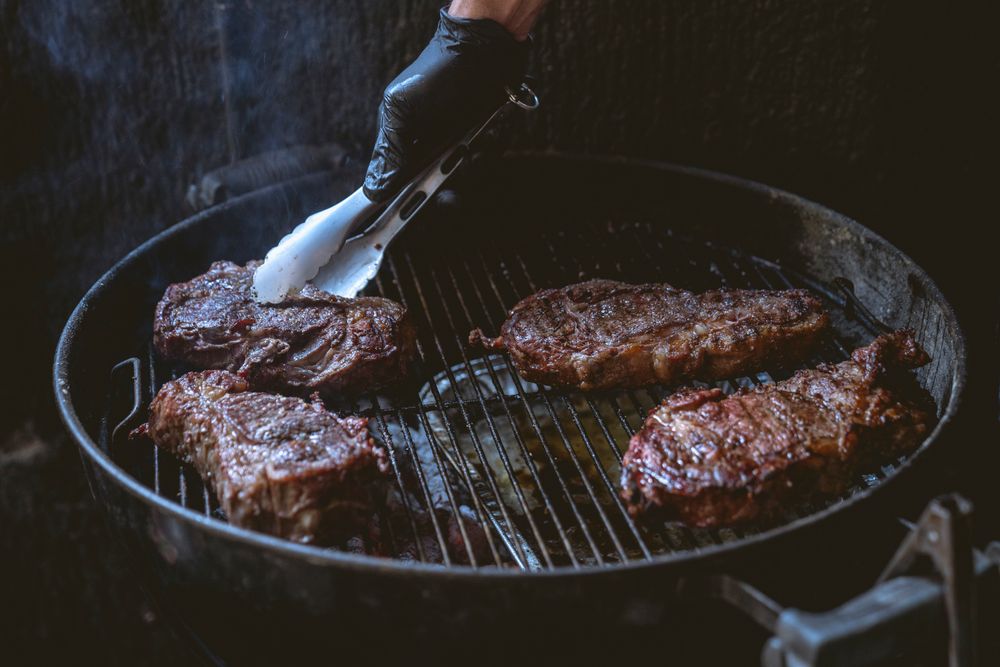
Charcoal vs Gas: The Honest Answer
Charcoal does taste different, for reasons that have very little to do with the fuel itself.
 Journal
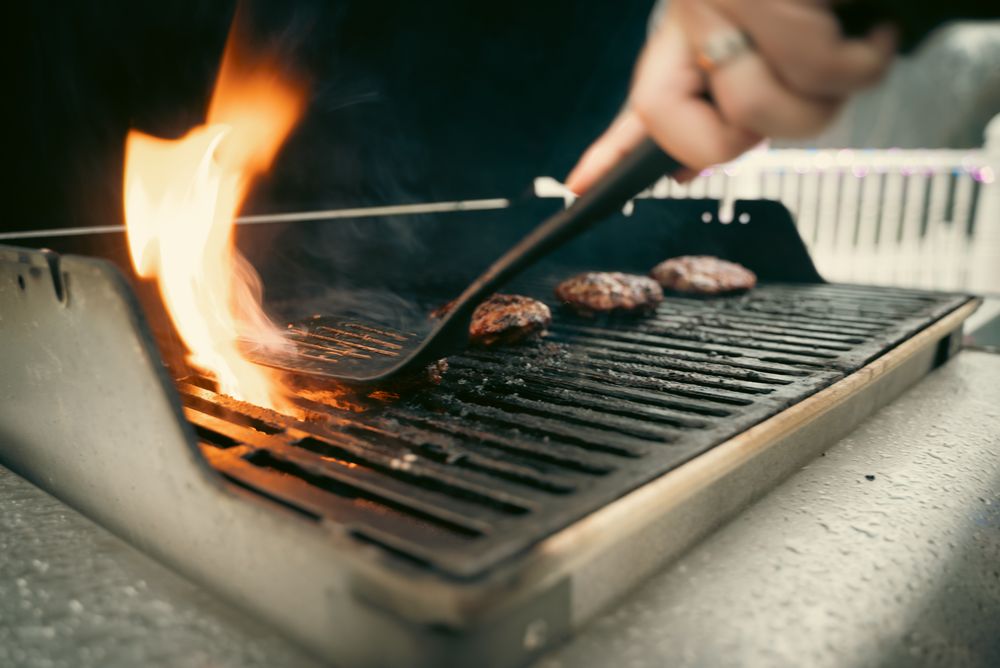
Nine Charcoal Grilling Mistakes Almost Everyone Makes
None of these are exotic. All of them are the difference between food that is fine and food that is genuinely good.
 Journal
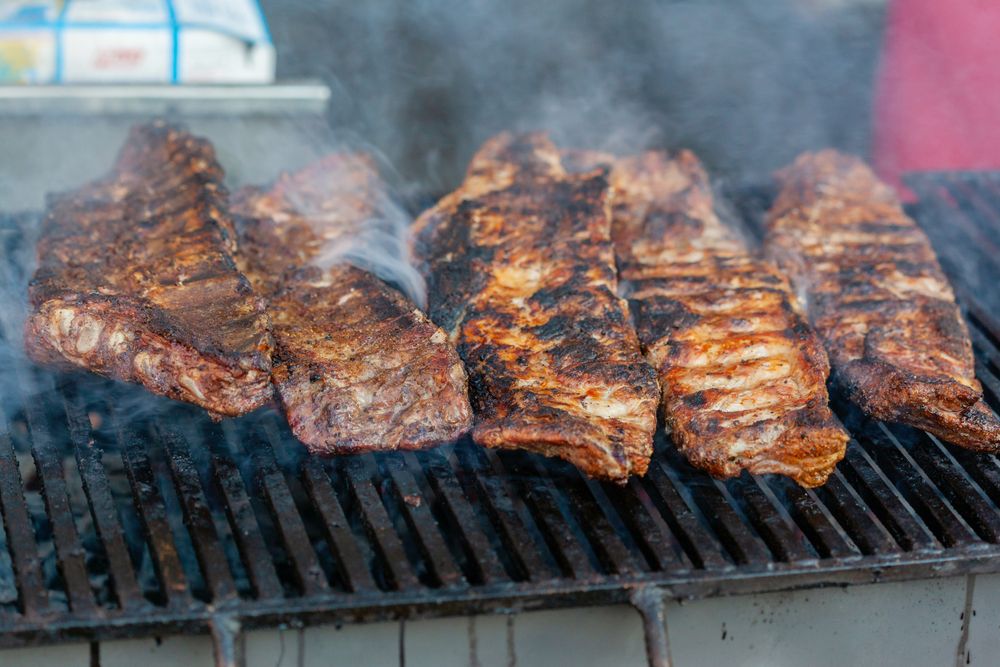
Barbecue Myths That Will Not Die
Barbecue advice is passed down more than it is tested, which is how these survive.