What it is
The Maillard reaction is a set of reactions between amino acids and sugars that kicks off properly above about 140°C, creating hundreds of new flavour and aroma compounds and the brown colour of a seared crust. It is not the same as caramelisation, which is sugars alone; Maillard needs protein too, which is why it dominates on meat.
Why it needs a dry, hot surface
Water boils at 100°C, well below the temperature Maillard needs. So while the surface of the meat is wet, it cannot brown; all the energy goes into evaporating water. Only once the surface dries can it climb past 140°C and start browning. This is why a dry surface and a hot fire are the whole game for a good crust.
How to get more of it
- Dry the surface: pat meat dry, salt ahead, rest uncovered in the fridge.
- Use real heat: charcoal reaches temperatures that brown faster and deeper than a domestic gas grill.
- Do not crowd the grill; steam trapped between pieces keeps the surface wet.
- Do not move food constantly; give a face time to build a crust before turning.
Searing does not seal in juices; that was disproved long ago. Seared meat loses as much moisture as unseared. You sear because Maillard browning tastes extraordinary, not because it seals anything.
Why charcoal wins here
A bed of lump charcoal can exceed 370°C at the grate, far hotter than most gas grills. Higher surface temperature means faster, deeper Maillard browning, which is a large part of why food cooked over charcoal simply tastes more of itself.
More from the journal
 Journal
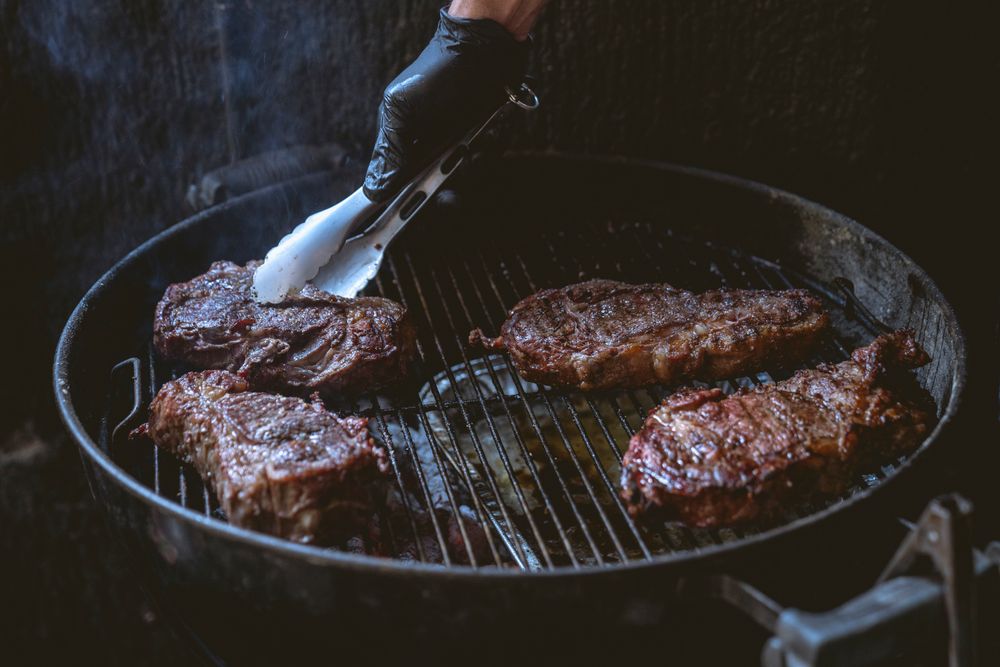
Charcoal vs Gas: The Honest Answer
Charcoal does taste different, for reasons that have very little to do with the fuel itself.
 Journal
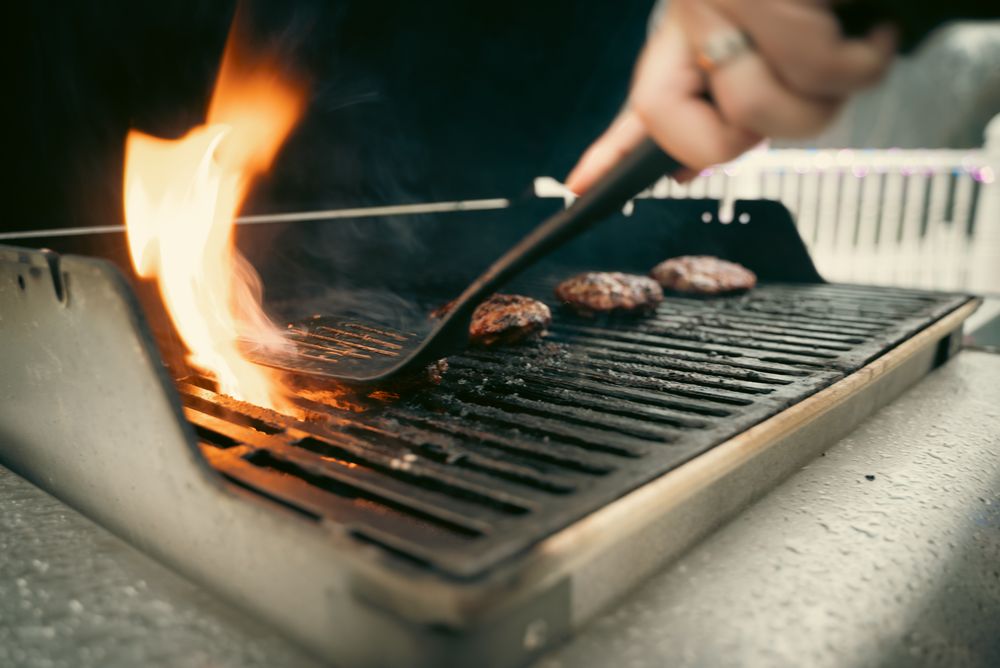
Nine Charcoal Grilling Mistakes Almost Everyone Makes
None of these are exotic. All of them are the difference between food that is fine and food that is genuinely good.
 Journal
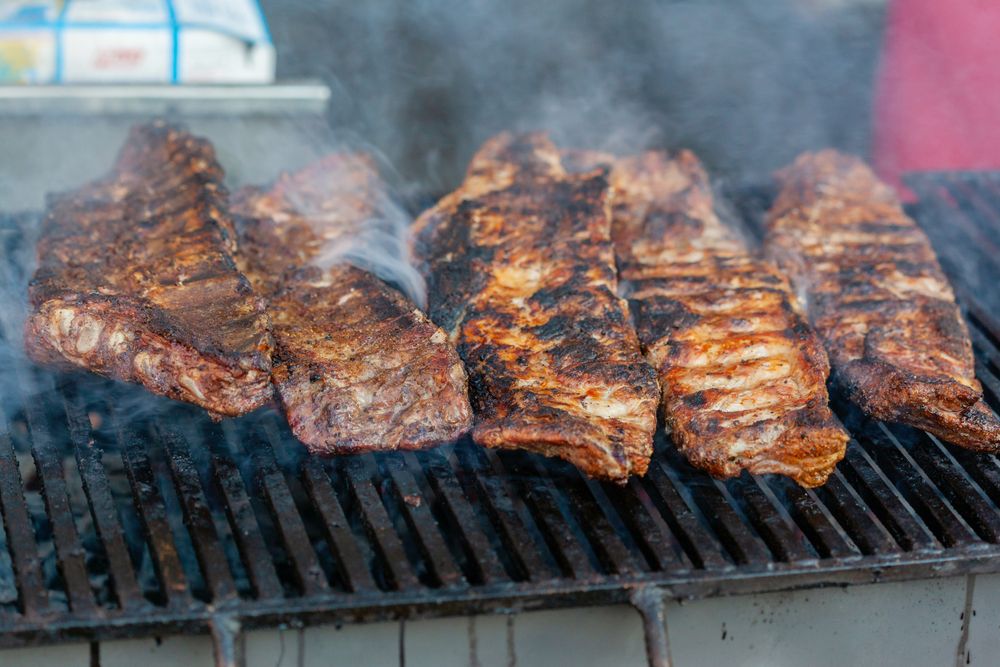
Barbecue Myths That Will Not Die
Barbecue advice is passed down more than it is tested, which is how these survive.