Embers, not flames
The defining feature of an asado is that it is cooked over embers raked from a separate fire, never over flames. Wood or hardwood charcoal is burned down in a brasero, and glowing coals are shovelled under the grill as needed. The heat is controlled by winding the grill, the parrilla, up and down, and by how many embers you rake beneath it. There are no vents and no lid.
Salt and nothing else
Argentine asado is a demonstration of beef and fire. The only seasoning is coarse salt, applied as the meat cooks. Marinades are broadly regarded as a way of hiding poor meat. Chimichurri, the herb and vinegar sauce, is served alongside rather than used as a marinade.
The order of the cook
An asado unfolds slowly across an afternoon. It often begins with provoleta, grilled cheese, and chorizo and morcilla sausages, then works through offal like sweetbreads and kidneys, before the main event of ribs and large cuts cooked gently for hours. Nobody is in a hurry, and that is the point.
One person, the asador, tends the fire and cooks for everyone, a role of real honour. The rest of the party keeps them company with a glass of Malbec while the meat takes its time. The cooking is the gathering.
How to cook one at home
You do not need a dedicated parrilla. Build a fire off to one side of a kettle, rake embers under a raised grate, season with salt only, and resist the urge to rush. Cook cross-cut short ribs, asado de tira, slowly, bone side down, and serve with chimichurri and bread. Patience is the recipe.
More from the journal
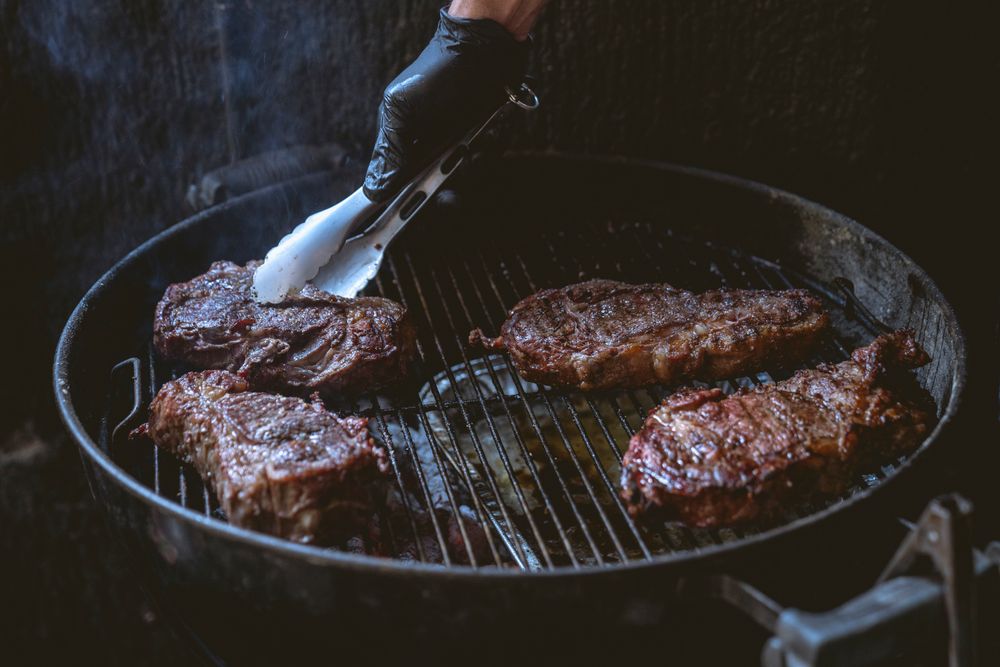 Journal
Charcoal vs Gas: The Honest Answer
Charcoal does taste different, for reasons that have very little to do with the fuel itself.
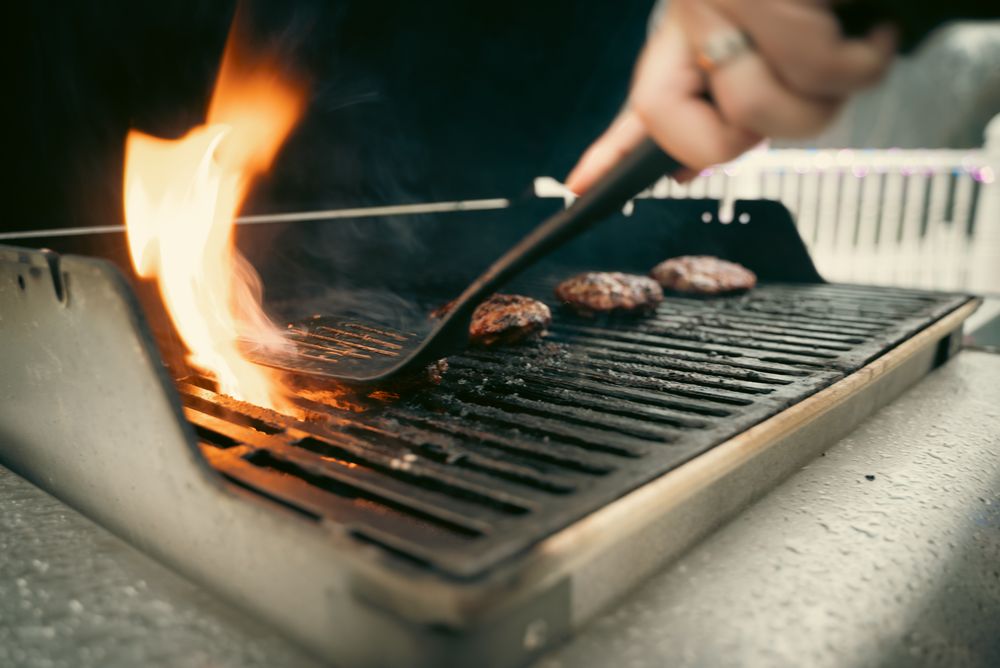 Journal
Nine Charcoal Grilling Mistakes Almost Everyone Makes
None of these are exotic. All of them are the difference between food that is fine and food that is genuinely good.
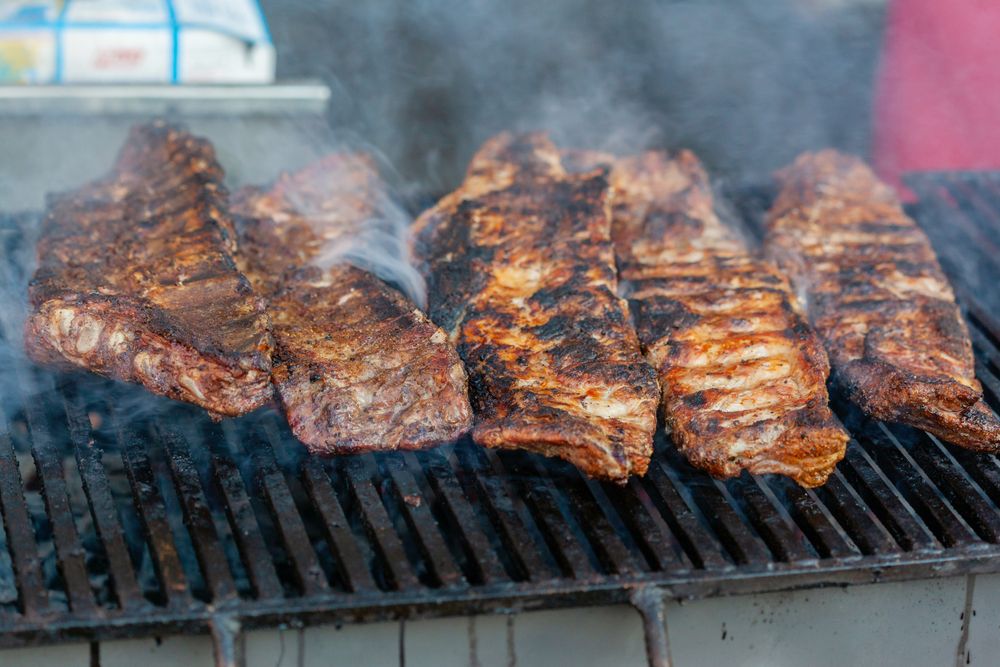 Journal
Barbecue Myths That Will Not Die
Barbecue advice is passed down more than it is tested, which is how these survive.