Roots
Barbecue in America grew from the meeting of Indigenous smoking techniques, African and Caribbean cooking traditions carried by enslaved people, and European settlers, most of it born of the need to cook tough, cheap cuts slowly until they were tender. It was food of necessity that became food of celebration.
The four great styles
| Region | Defined by |
|---|---|
| Texas | Beef, especially brisket; salt and pepper; post oak |
| The Carolinas | Whole hog and pork shoulder; vinegar and pepper sauces |
| Kansas City | A bit of everything; thick sweet tomato sauce; burnt ends |
| Memphis | Pork ribs, dry-rubbed or wet; a pit tradition |
What they share
For all their differences, the regional styles share a core: cheap, tough cuts, cooked low and slow over wood smoke until collagen melts and the meat turns tender. The vocabulary of modern barbecue, the stall, the bark, the snake and Minion fires, the probe test, is largely American in origin and now used everywhere.
Why it matters beyond America
American barbecue gave the world the low and slow method and the language to talk about it. Whether you are smoking a brisket in a kettle in Britain or short ribs in a drum in Australia, you are using techniques and terms that came out of the American South. It is one of the great culinary exports.
More from the journal
 Journal
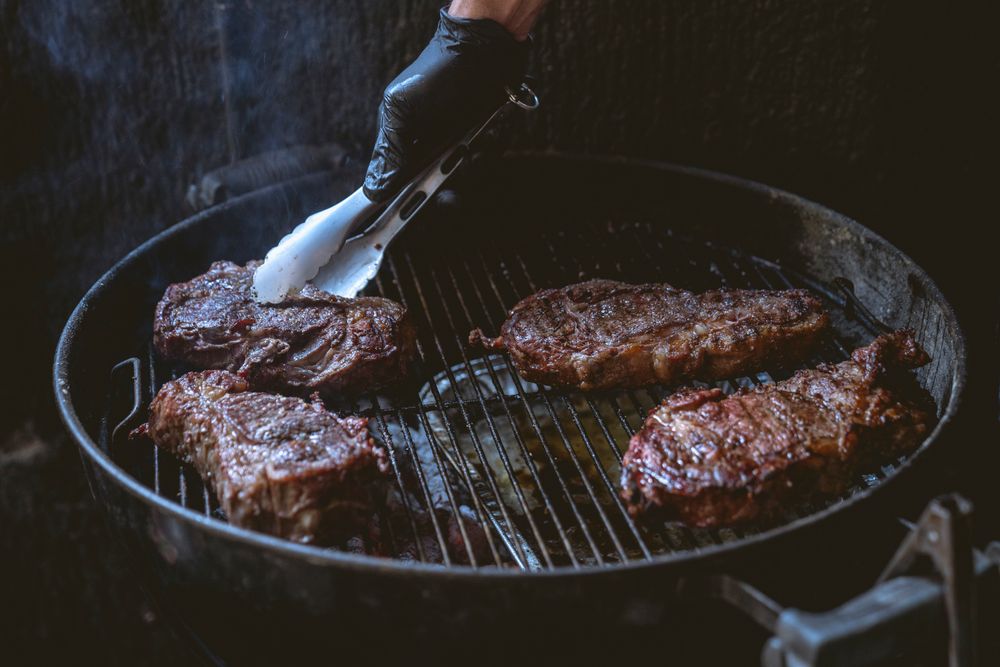
Charcoal vs Gas: The Honest Answer
Charcoal does taste different, for reasons that have very little to do with the fuel itself.
 Journal
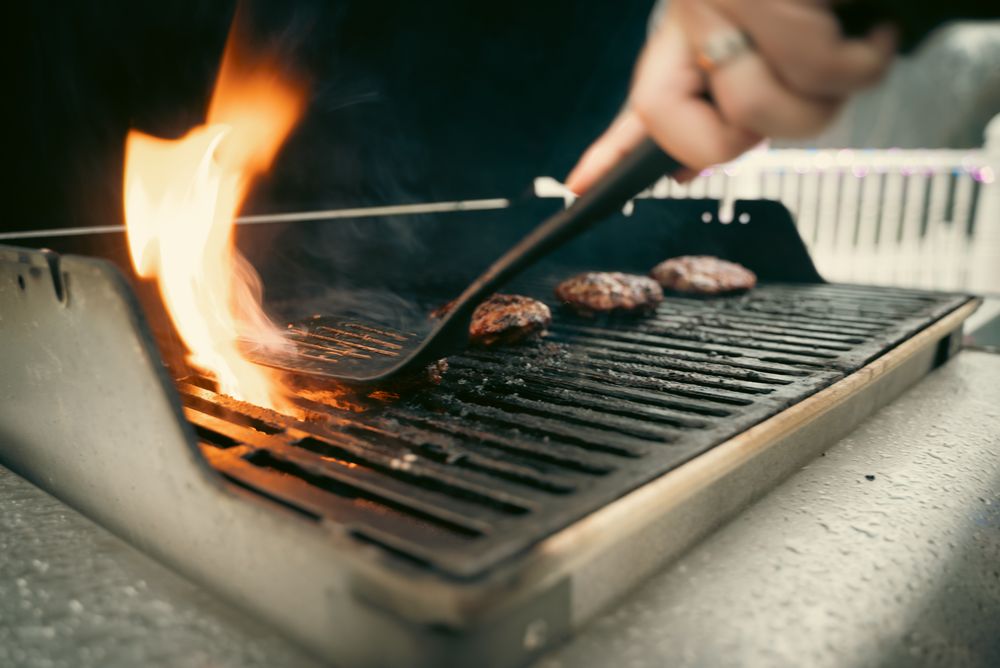
Nine Charcoal Grilling Mistakes Almost Everyone Makes
None of these are exotic. All of them are the difference between food that is fine and food that is genuinely good.
 Journal
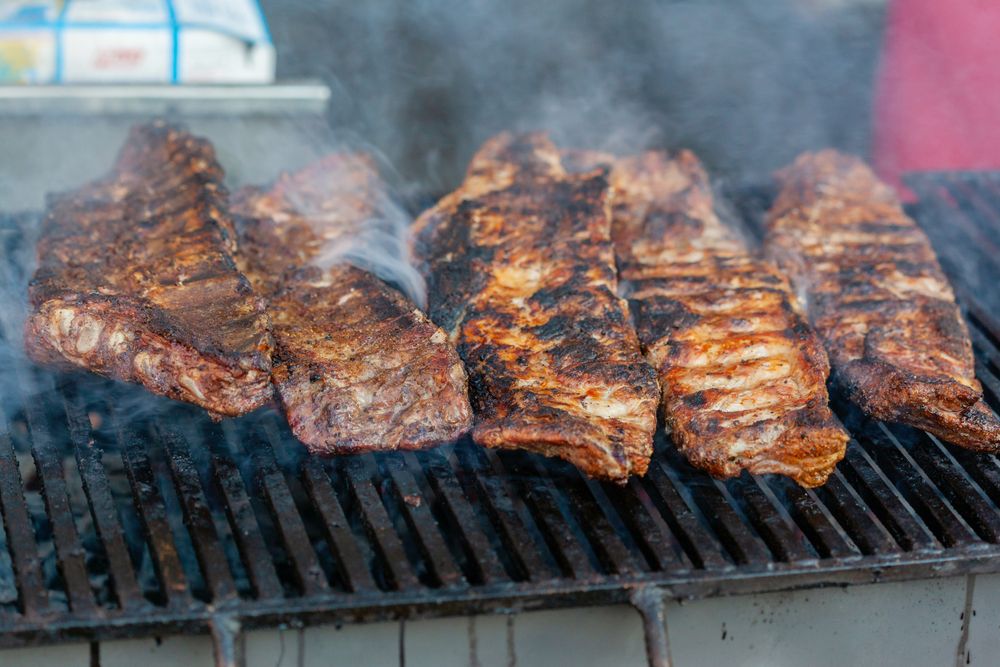
Barbecue Myths That Will Not Die
Barbecue advice is passed down more than it is tested, which is how these survive.