The timing rule
Salt either well ahead, at least forty five minutes and ideally overnight, or immediately before cooking. The window in between is the worst time, because salt has drawn moisture to the surface but not yet been reabsorbed, leaving the meat wet just as you want it dry for browning.
Why early is better for big cuts
Salt applied hours ahead draws out moisture, dissolves in it, and is then reabsorbed carrying seasoning deep into the meat. It also denatures proteins so they hold more water during cooking. This is dry brining, and for anything thick it is the single biggest upgrade you can make. Leave it uncovered in the fridge and the surface dries for a better crust too.
How much
More than you think, and coarse rather than fine. A steak wants a visible, even layer that looks like a light snowfall. Coarse salt is easier to apply evenly and seasons the crust rather than dissolving invisibly into the surface. You cannot easily over-salt the outside of a thick cut; most of it falls away or stays on the surface.
Use a coarse salt you can pinch and see: flaky sea salt or coarse kosher-style salt. Fine table salt is dense and easy to overdo, and it disappears into the meat before you can judge the coverage.
Everything else goes on later
Salt penetrates; most other seasonings do not. Pepper, herbs and spices sit on the surface and can burn, so they go on closer to cooking. Sugar in a rub belongs late or on the cool side, because it scorches over direct heat.
More from the journal
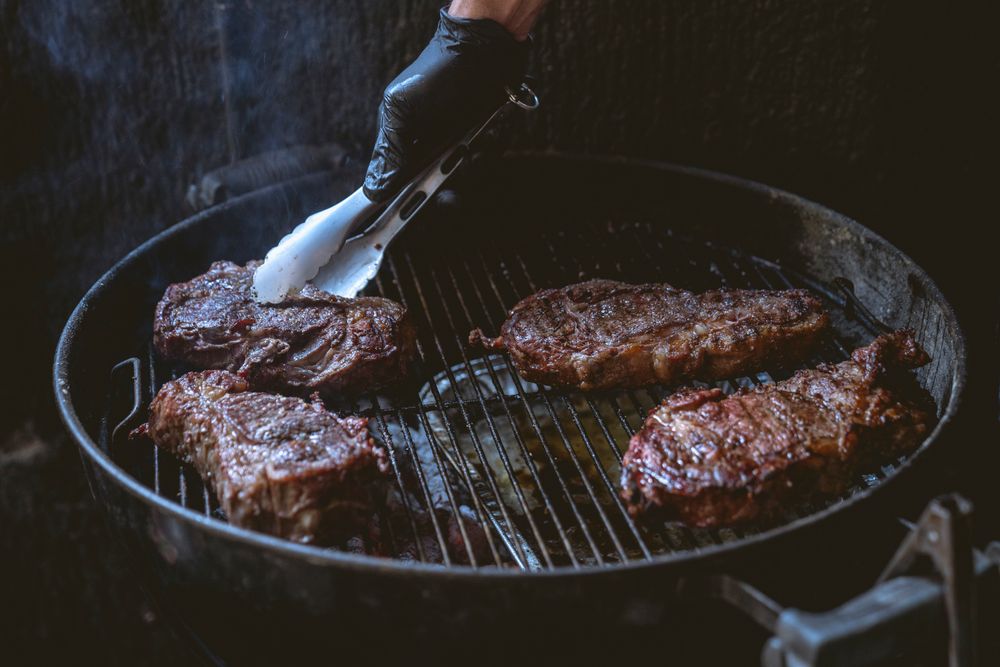 Journal
Charcoal vs Gas: The Honest Answer
Charcoal does taste different, for reasons that have very little to do with the fuel itself.
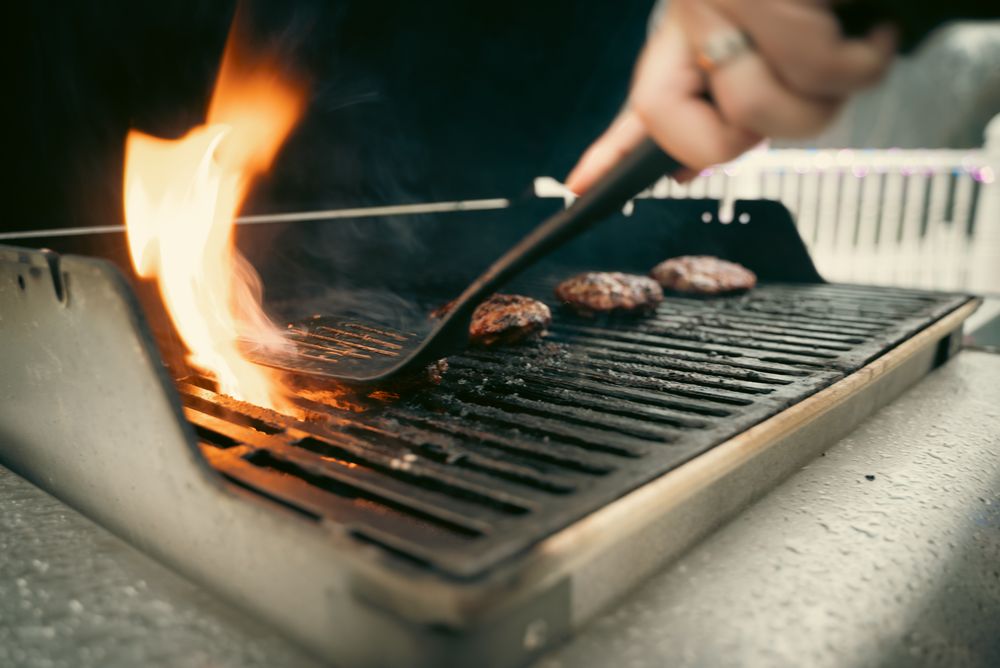 Journal
Nine Charcoal Grilling Mistakes Almost Everyone Makes
None of these are exotic. All of them are the difference between food that is fine and food that is genuinely good.
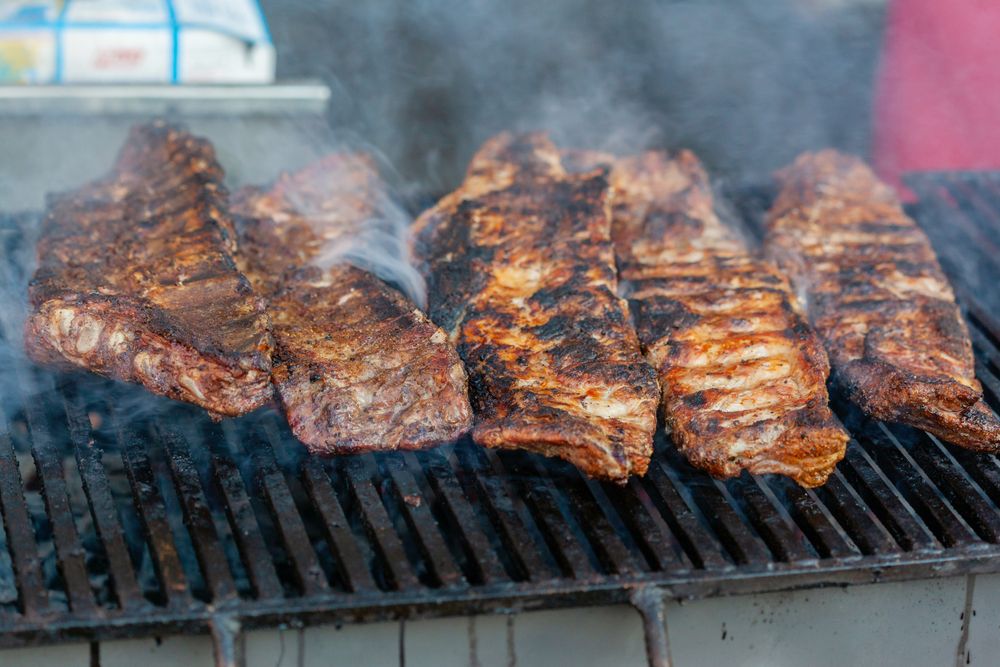 Journal
Barbecue Myths That Will Not Die
Barbecue advice is passed down more than it is tested, which is how these survive.