Reading the stage
Fresh coals are black with orange edges and still outgassing; food put on now tastes of raw smoke. Coals coated in grey ash are at their peak, radiating clean, fierce heat. Coals gone fully white and powdery are past their best and fading. Learning to see these stages tells you when to cook and when to wait.
The hand test
Hold your palm about a hand's width above the grate and count how long you can keep it there. One or two seconds is searing heat; four to five is medium; eight or more is a low, gentle fire. It is crude and free, and once you have calibrated it against a thermometer a few times it is genuinely reliable.
Airflow is the throttle
A charcoal fire has one control: air. The bottom vent lets oxygen in to feed the coals; the top vent lets it out. More air means a hotter, faster burn; less means a cooler, slower one. Steer with the bottom vent, keep the top mostly open so smoke does not turn stale, and make small changes, waiting fifteen minutes to judge each.
The commonest mistake is over-correcting. You close a vent, nothing happens in two minutes, so you close it more, and fifteen minutes later the fire is dying. A charcoal fire has real lag. One small change, then wait. Learn the rhythm and the fire becomes predictable.
Why it is worth learning
Thermometers and controllers are wonderful, but a cook who can read a fire is never helpless when the battery dies or the wind gets up. It is the oldest skill in cooking and, once you have it, the most reassuring.
More from the journal
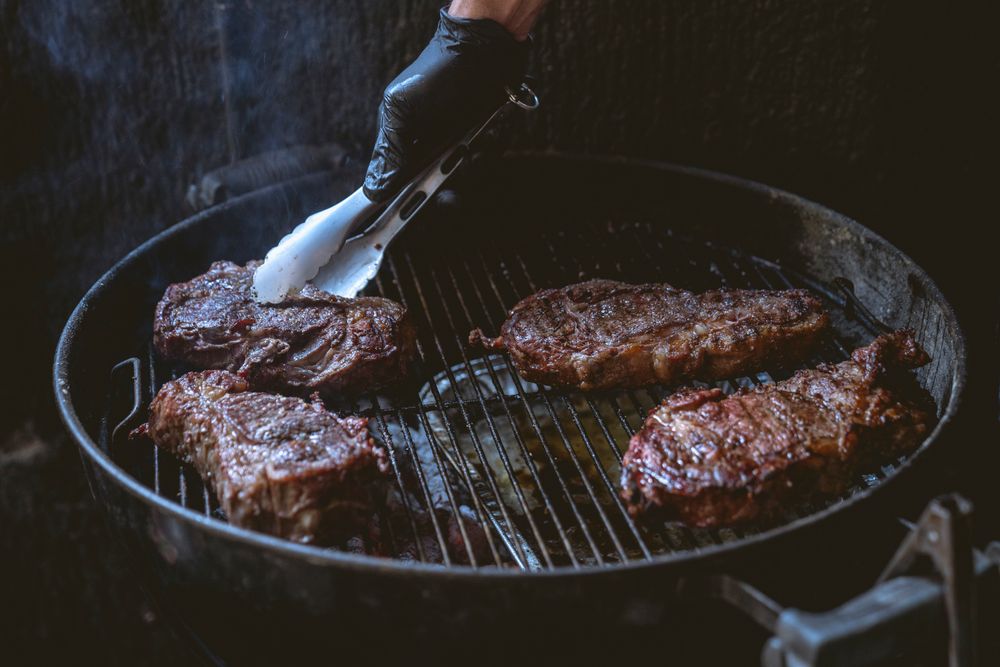 Journal
Charcoal vs Gas: The Honest Answer
Charcoal does taste different, for reasons that have very little to do with the fuel itself.
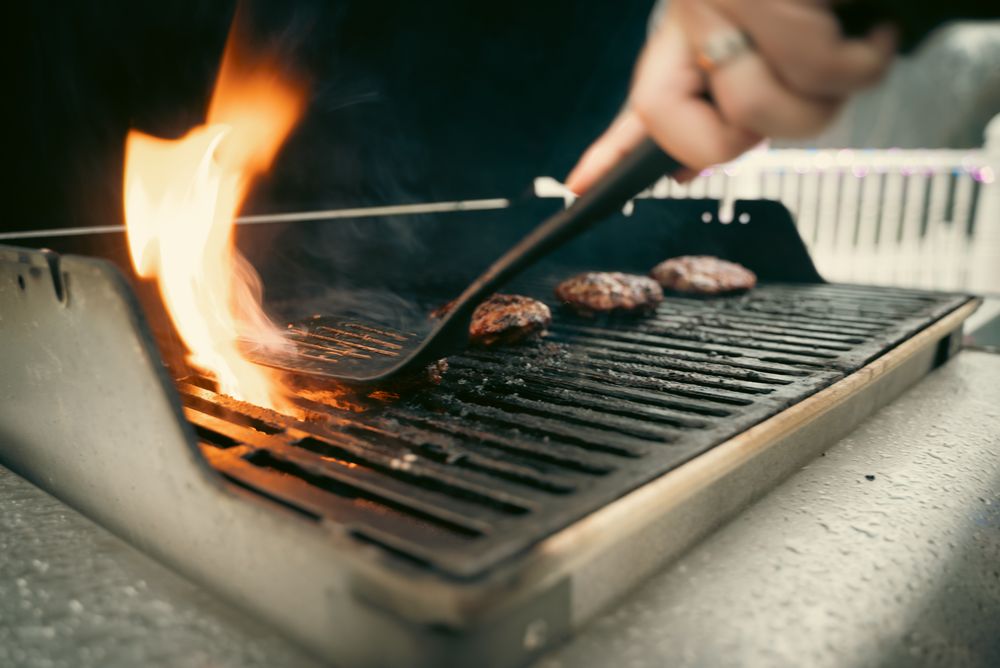 Journal
Nine Charcoal Grilling Mistakes Almost Everyone Makes
None of these are exotic. All of them are the difference between food that is fine and food that is genuinely good.
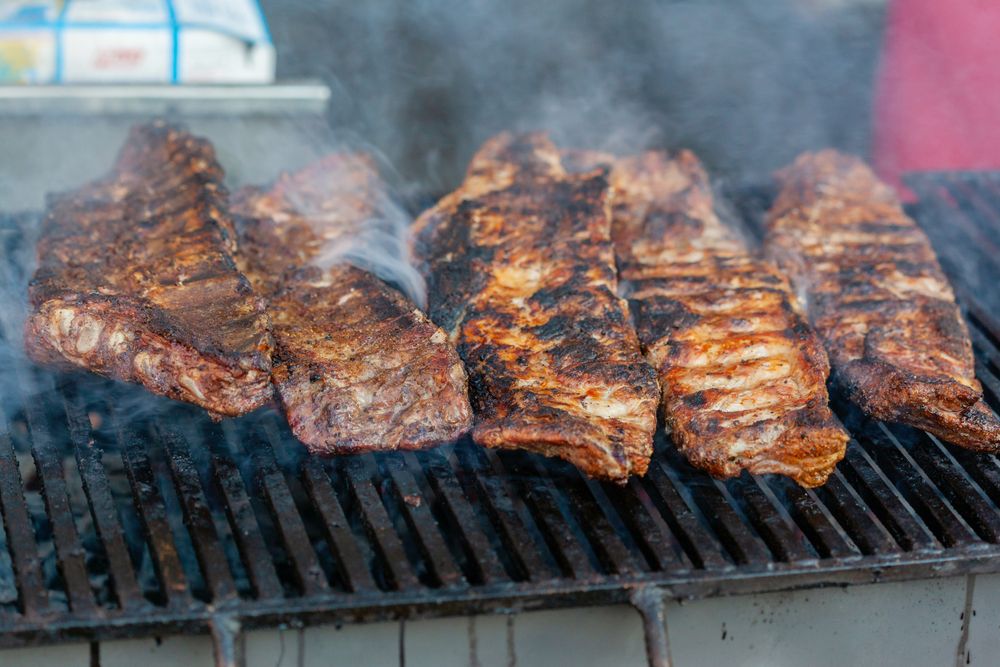 Journal
Barbecue Myths That Will Not Die
Barbecue advice is passed down more than it is tested, which is how these survive.