It happens at the table
The defining feature of Korean barbecue is that the grill sits in the middle of the table and everyone cooks their own. Cuts are sliced thin so they cook in a minute or two, and each person wraps the meat in lettuce with rice, ssamjang and pickles as they go. It is participatory in a way most barbecue is not.
The marinade that tenderises
Traditional galbi marinade uses grated Asian pear, which contains enzymes that genuinely break down muscle protein, so it tenderises rather than merely flavouring. That also means it can go too far: six hours is the sweet spot, and overnight starts to turn the surface mushy. Bulgogi uses a similar sweet soy marinade on even thinner beef.
The cuts
- Galbi: LA-cut short ribs, sliced thin across the bone.
- Bulgogi: thin sliced sirloin or ribeye in a sweet marinade.
- Samgyeopsal: thick pork belly, cooked plain and dipped.
- All of them cook in minutes over fierce heat.
The sides are not optional
The banchan, the little side dishes, are half the meal: kimchi, pickled radish, bean sprouts, and the ssamjang paste for the wraps. A Korean barbecue without them is just grilled meat. Lay them all out, cook in waves at the table, and let people build their own wraps.
A tabletop charcoal or gas grill is ideal, so everyone gathers round and cooks their own. A konro or a small portable works. The point is the shared table, so cook where people can reach.
More from the journal
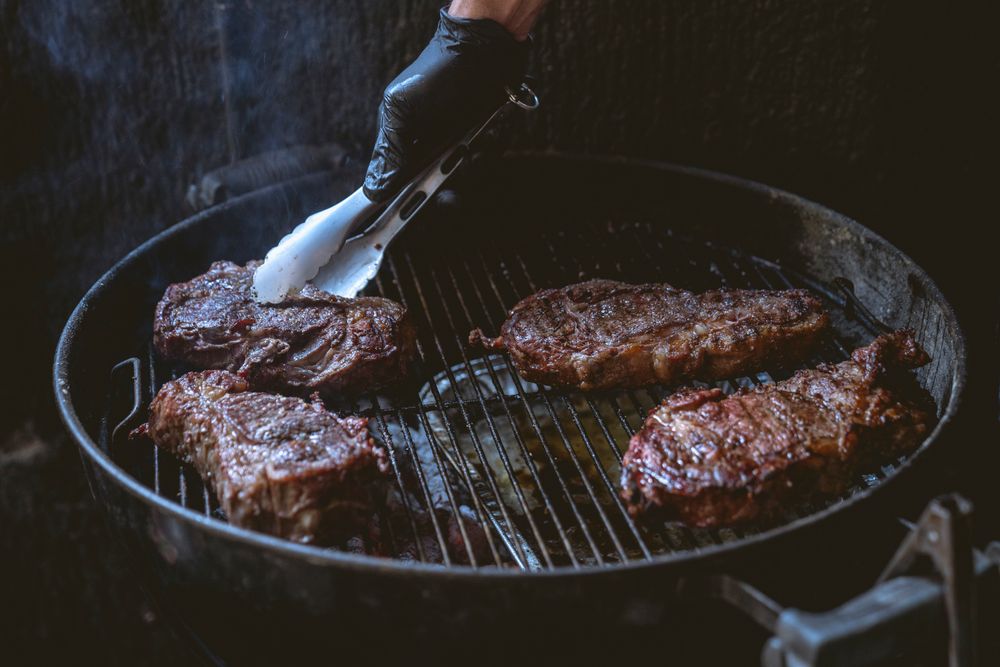 Journal
Charcoal vs Gas: The Honest Answer
Charcoal does taste different, for reasons that have very little to do with the fuel itself.
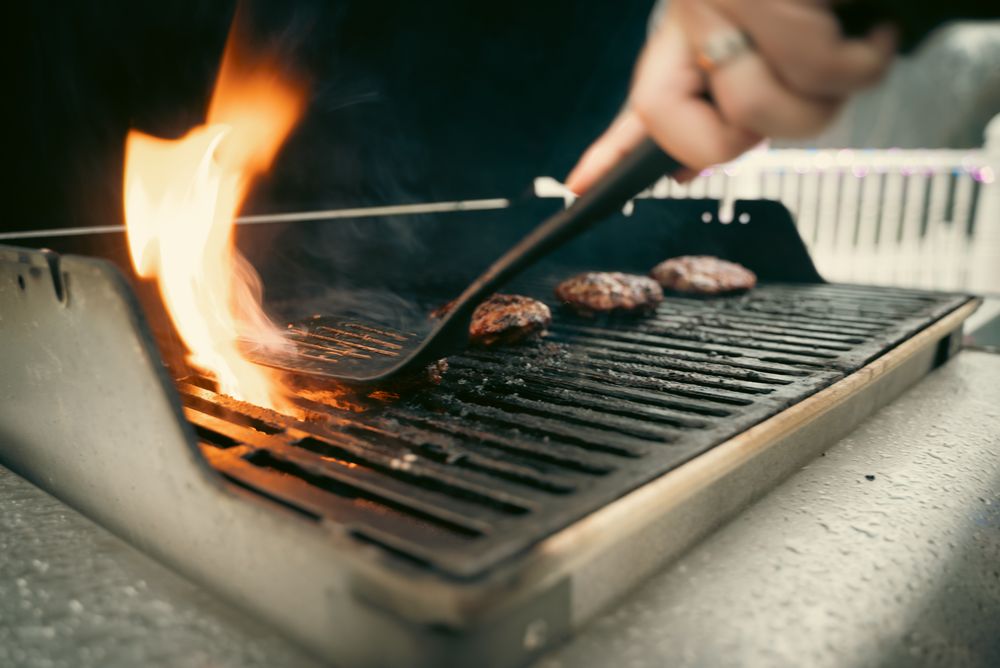 Journal
Nine Charcoal Grilling Mistakes Almost Everyone Makes
None of these are exotic. All of them are the difference between food that is fine and food that is genuinely good.
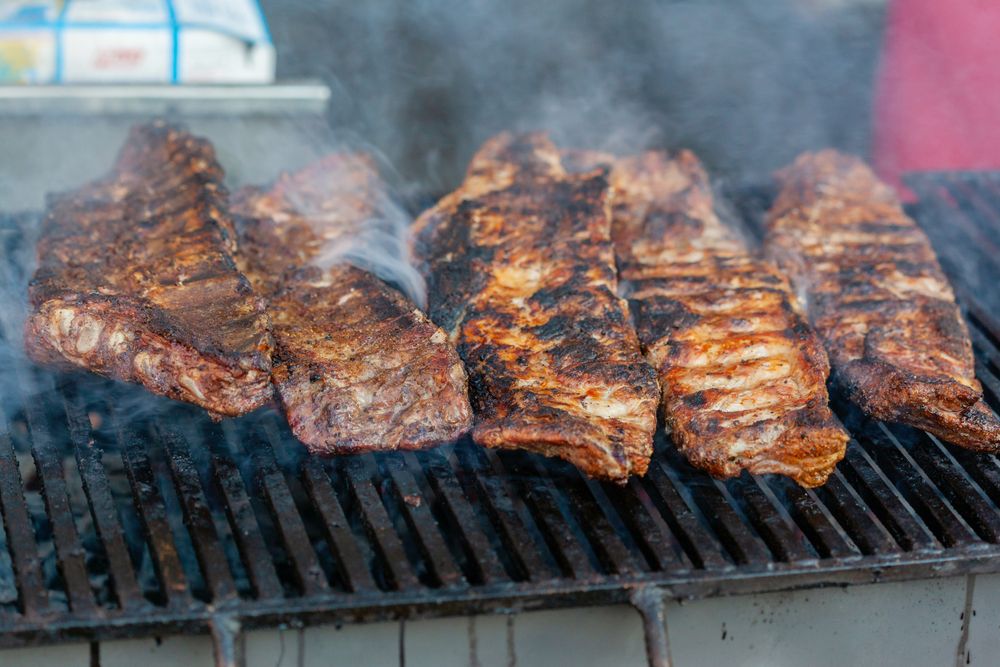 Journal
Barbecue Myths That Will Not Die
Barbecue advice is passed down more than it is tested, which is how these survive.