It is a heat battery
The defining feature of a ceramic kamado is thermal mass. Once the ceramic is up to temperature it resists change, so wind, rain and a lifted lid barely move it. It holds low temperatures overnight on a single load of lump, sips fuel, and reaches searing heat when you want it. That stability is the whole appeal.
The beginner's mistake
The one thing beginners get wrong is overshooting the temperature. Because a kamado is slow to change, once it has run past your target it takes a long time to come back down. The rule is to creep up on your temperature: open the vents a little, let it climb slowly, and close them well before you reach the number, not when you hit it.
Use lump, not briquettes
Kamados want lump charcoal. Briquette ash is finer and clogs the small bottom vent, choking the fire. Lump also lets you snuff the fire at the end and reuse the unburnt charcoal, which the airtight ceramic makes easy and which keeps the running cost low.
What it does best
- Low and slow barbecue, holding a steady heat for many hours.
- High-temperature pizza and searing, with a heat deflector swapped in or out.
- Roasting, where the even ceramic heat shines.
- Cooking in cold and wind, which barely affects it.
The one accessory a kamado needs is a ceramic heat deflector, which sits between the coals and the food for indirect cooking and smoking. Without it you can only grill direct. With it in or out, a kamado is both a smoker and a searing grill.
More from the journal
 Journal
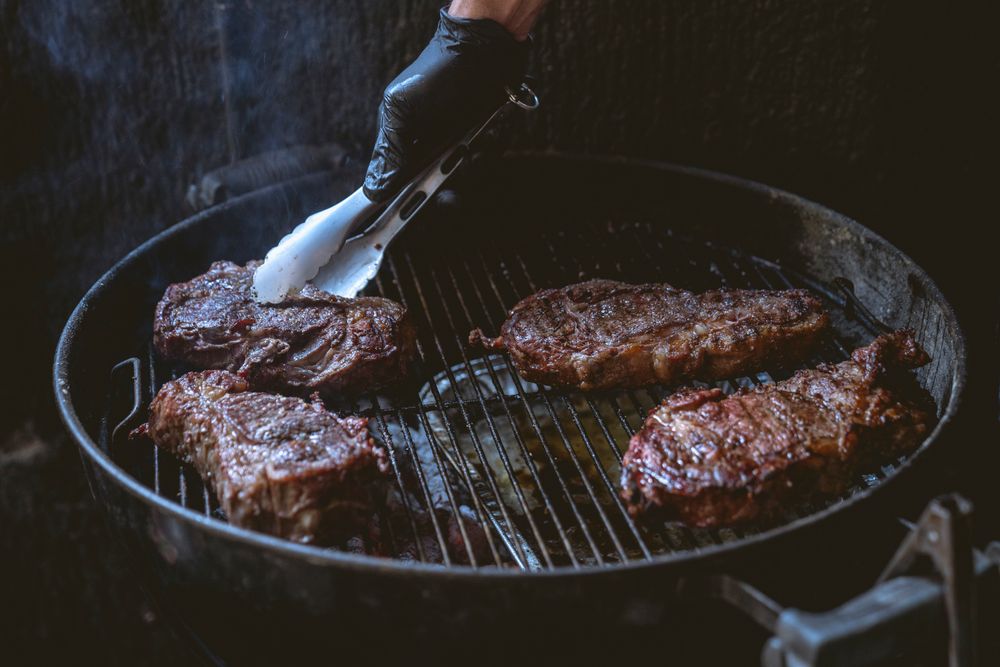
Charcoal vs Gas: The Honest Answer
Charcoal does taste different, for reasons that have very little to do with the fuel itself.
 Journal
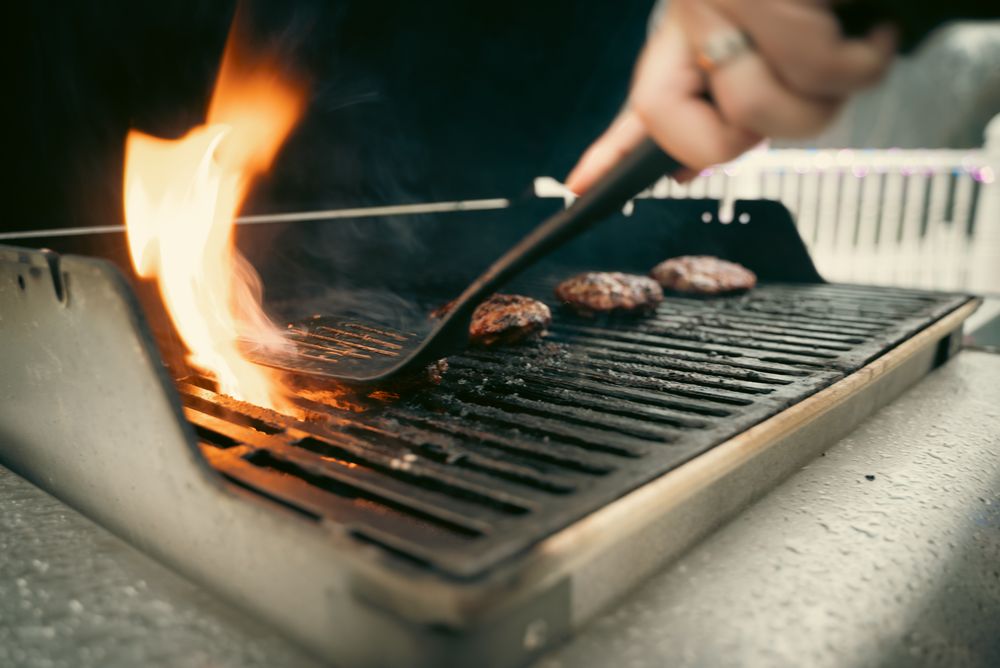
Nine Charcoal Grilling Mistakes Almost Everyone Makes
None of these are exotic. All of them are the difference between food that is fine and food that is genuinely good.
 Journal
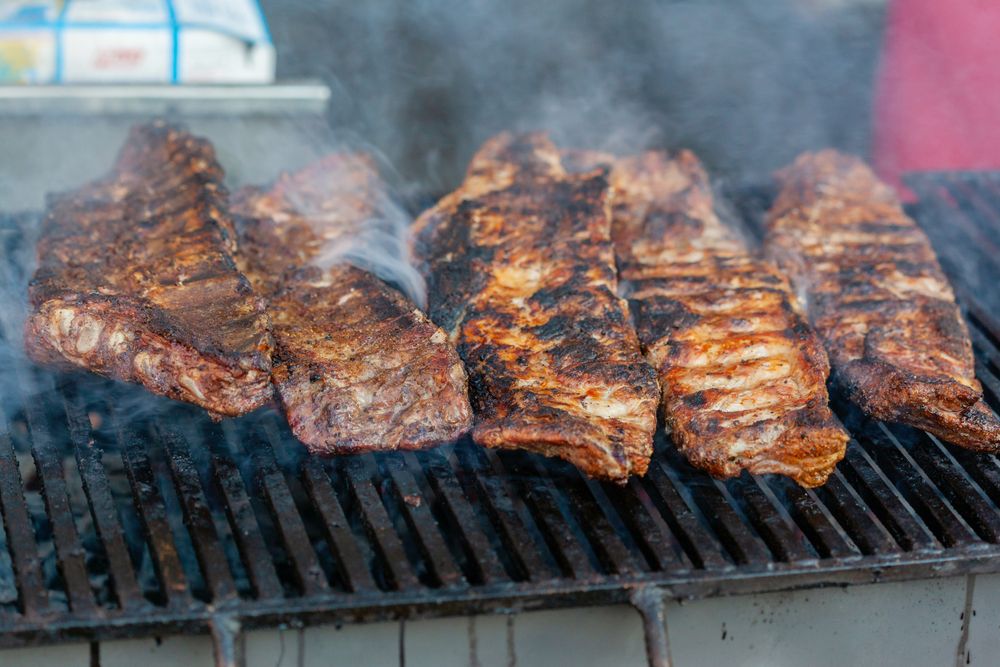
Barbecue Myths That Will Not Die
Barbecue advice is passed down more than it is tested, which is how these survive.