Carbon monoxide: the serious one
Charcoal produces carbon monoxide, which is odourless and can kill. Never bring a charcoal grill, or a chimney of lit coals, into a garage, a tent, a shed, a porch or any enclosed or poorly ventilated space, however cold or wet it is outside. Cook outdoors and let it cool outdoors too. This is the one rule that is not negotiable.
Ash disposal
Charcoal ash can hold live embers for more than a day. Every summer, ash tipped into a plastic bin or a paper bag starts a fire. Put ash in a metal container with a lid, keep it away from anything flammable, and leave it at least forty eight hours before it goes anywhere near a bin.
Flare-ups and fat fires
- Move food away from a flare-up rather than dousing the fire with water.
- Keep a two-zone fire so you always have a safe zone to retreat to.
- Trim excessive fat and use a drip pan for fatty cooks.
- Never use water on a grease fire; smother it with the lid and vents shut.
The small stuff
- Never use lighter fluid on coals that are already lit.
- Light the chimney on a non-flammable surface, never on decking or grass.
- Use heat-resistant gloves and long tools; keep them dry, since fabric gloves conduct through wet.
- Use a bristle-free grate cleaner; swallowed wire bristles cause real injuries.
If you remember one thing, remember that a charcoal grill belongs outdoors, in the open air, from the moment you light it until it is stone cold. Carbon monoxide is the one hazard that turns a nice evening into a tragedy, and it is entirely preventable.
More from the journal
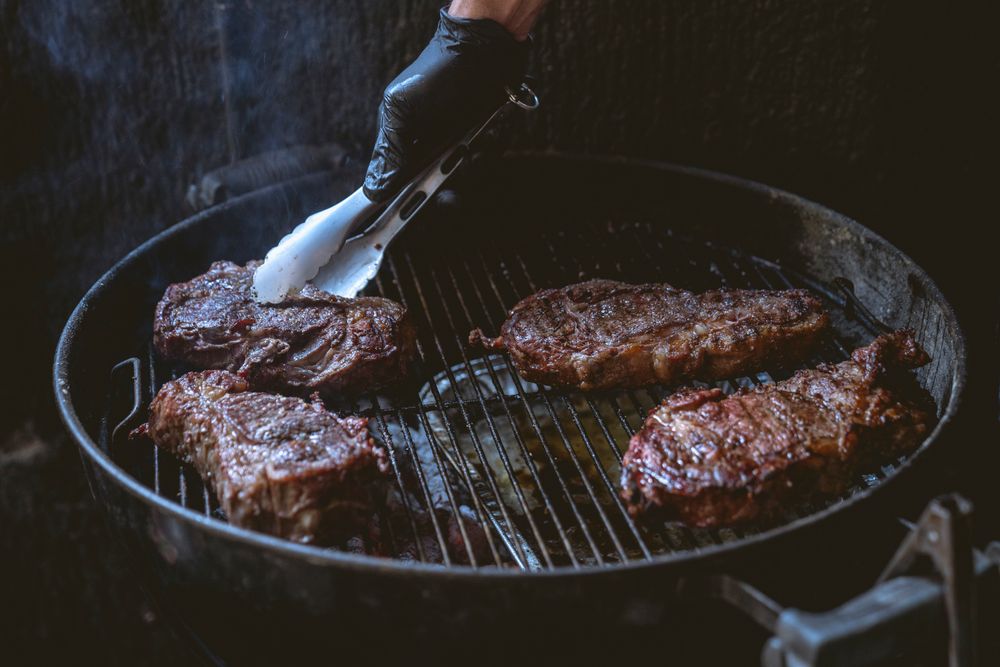 Journal
Charcoal vs Gas: The Honest Answer
Charcoal does taste different, for reasons that have very little to do with the fuel itself.
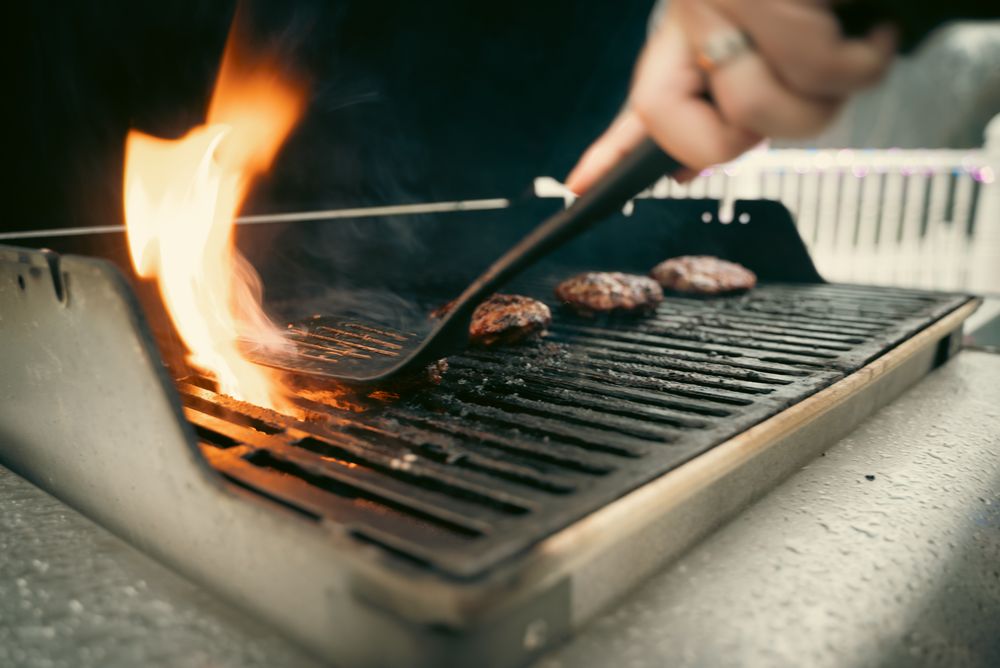 Journal
Nine Charcoal Grilling Mistakes Almost Everyone Makes
None of these are exotic. All of them are the difference between food that is fine and food that is genuinely good.
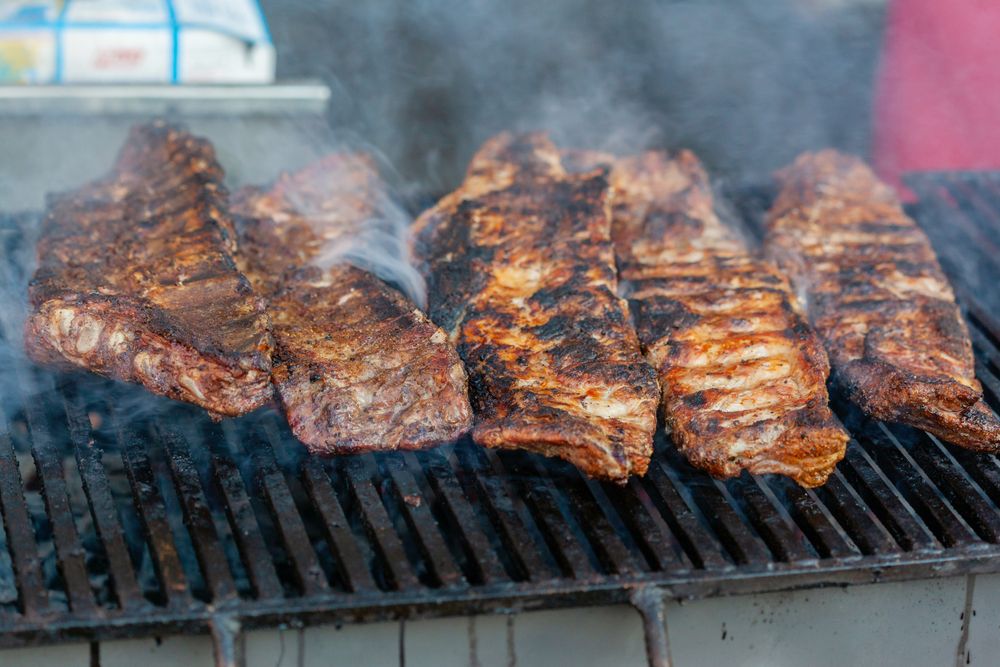 Journal
Barbecue Myths That Will Not Die
Barbecue advice is passed down more than it is tested, which is how these survive.