Every cook
- Burn the grate clean before cooking and scrape it with a bristle-free tool.
- Empty the ash once cold; ash plus moisture is what rusts a kettle from the inside.
- Close the vents at the end to snuff the fire and save the unburnt fuel.
A few times a year
Scrape the accumulated grease from the bottom of the bowl to prevent grease fires, and give the interior a wash with hot water and a little washing up liquid. Leave the black carbonised coating inside the lid alone; that is seasoning, not dirt, and stripping it just means it re-forms.
Off-season storage
If the grill is going to sit unused over winter, clean it thoroughly first, dry it completely, and cover it or store it somewhere dry. A fitted cover is the cheapest way to add years to anything left outdoors through a British winter. Empty every trace of ash before it goes away; ash left in over winter is the classic way a kettle rots.
Spring check
- Check the vents move freely and are not choked with old ash.
- Check the legs, handles and any wheels are sound.
- On a kamado, check the gasket has not perished.
- Season a cast iron grate if it has gone dull or spotted.
More charcoal grills die from ash left sitting in a damp bowl than from anything else. Ash holds moisture against the steel and rusts it from the inside. Empty it after every single cook and your grill will outlast several that were treated carelessly.
More from the journal
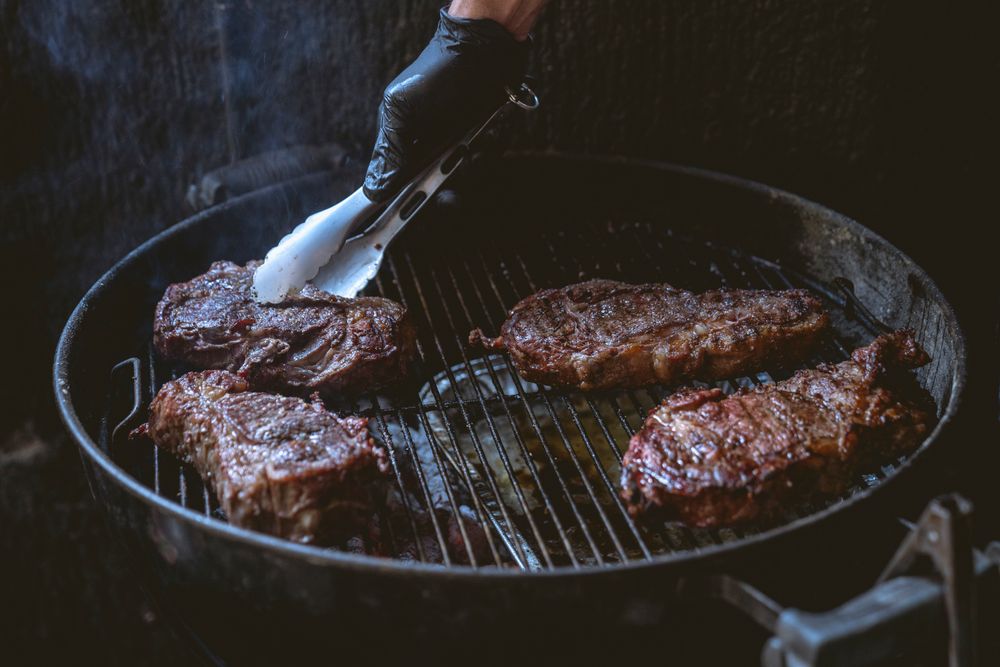 Journal
Charcoal vs Gas: The Honest Answer
Charcoal does taste different, for reasons that have very little to do with the fuel itself.
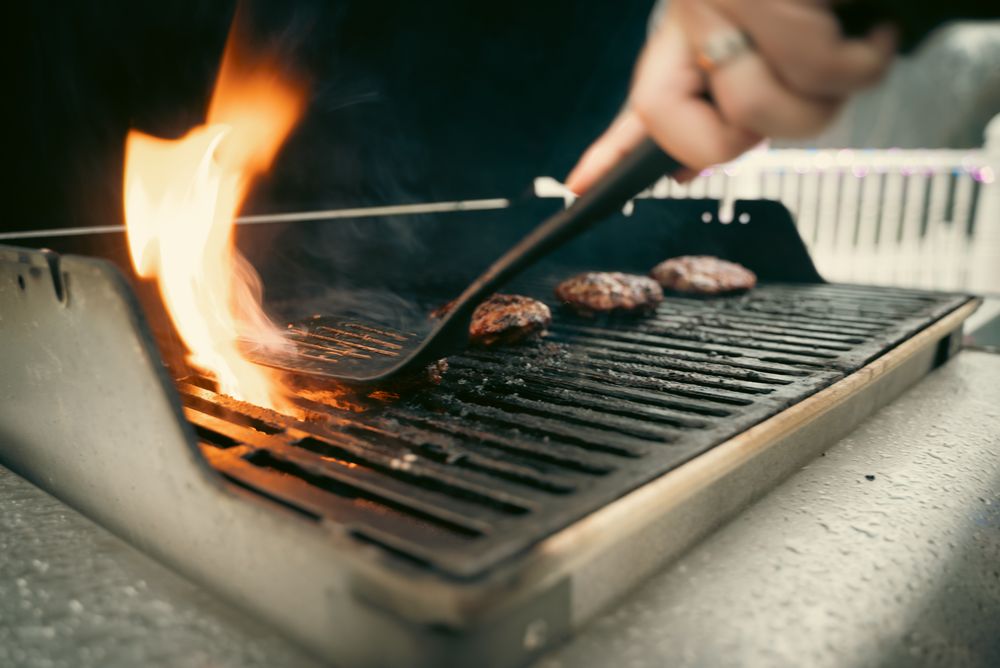 Journal
Nine Charcoal Grilling Mistakes Almost Everyone Makes
None of these are exotic. All of them are the difference between food that is fine and food that is genuinely good.
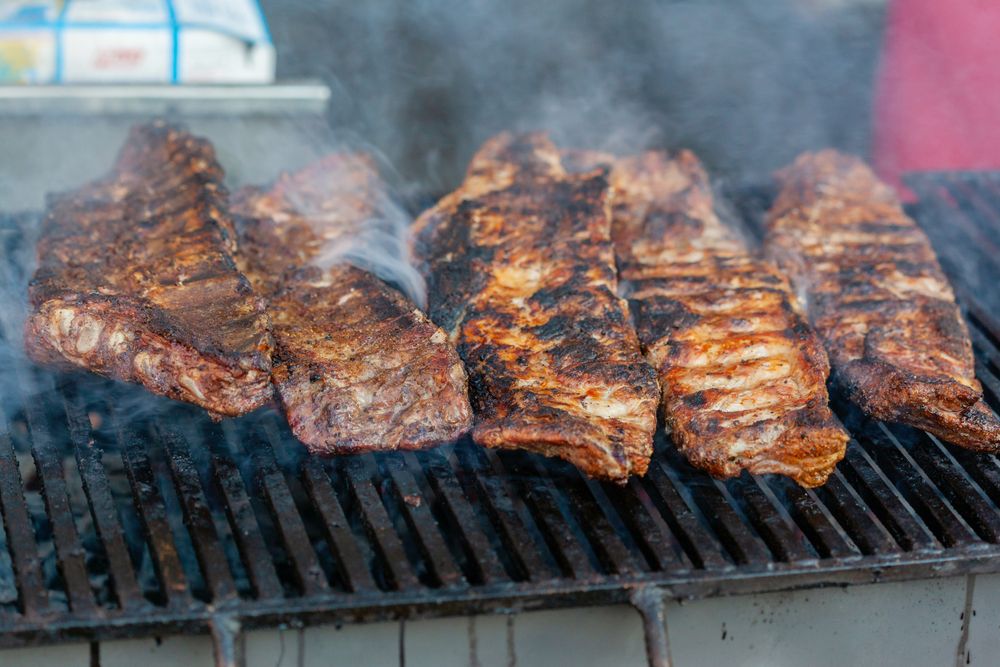 Journal
Barbecue Myths That Will Not Die
Barbecue advice is passed down more than it is tested, which is how these survive.