The techniques diverge
What is striking is how differently the world grills. Some cultures cook fast and fierce, some slow and gentle; some over flames, some over embers; some season heavily, some with nothing but salt. Each approach is a considered answer to local ingredients, fuel and climate.
| Tradition | Defined by |
|---|---|
| Japanese yakitori | Tiny skewers over binchotan, no smoke, constant attention |
| Argentine asado | Embers, salt only, hours of patience |
| South African braai | A social event; boerewors; never prick a sausage |
| Korean barbecue | Thin cuts cooked at the table by everyone |
| Cypriot souvla | Big chunks turned slowly on a foukou spit |
| American barbecue | Cheap cuts, wood smoke, low and slow |
| Turkish ocakbasi | Wide skewers over a narrow trench of coals |
| Indian tandoor | A clay oven at 400°C, meat on vertical skewers |
The shared thread
For all the difference, one idea recurs: fire is social. From the Argentine asador to the South African braai to the Cypriot Sunday, cooking over fire is rarely a solitary chore and almost always a gathering. The food is the reason; the company is the point.
Steal from all of them
The best thing about knowing how the world grills is that you can borrow freely. Yakitori's constant turning, the asado's patience with embers, the braai's respect for a whole sausage, Korea's shared table. Your own cooking gets richer the more traditions you learn from.
More from the journal
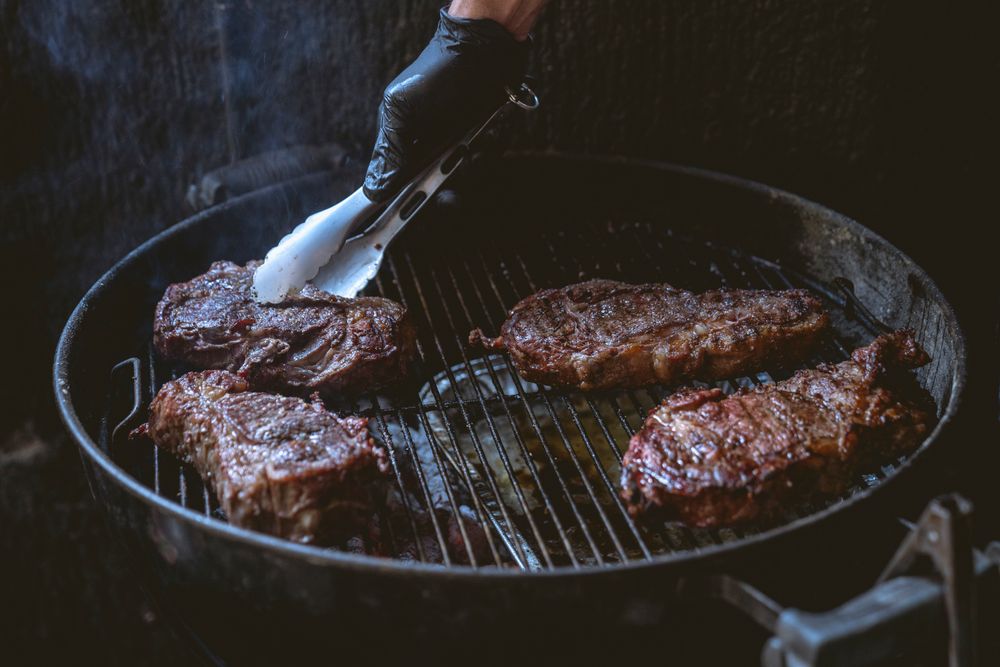 Journal
Charcoal vs Gas: The Honest Answer
Charcoal does taste different, for reasons that have very little to do with the fuel itself.
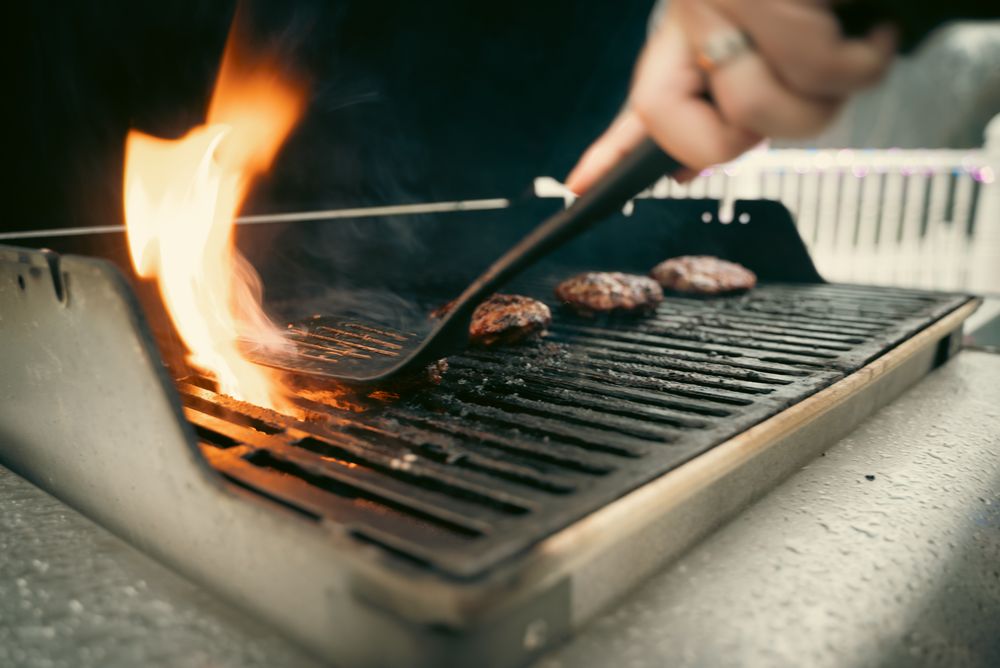 Journal
Nine Charcoal Grilling Mistakes Almost Everyone Makes
None of these are exotic. All of them are the difference between food that is fine and food that is genuinely good.
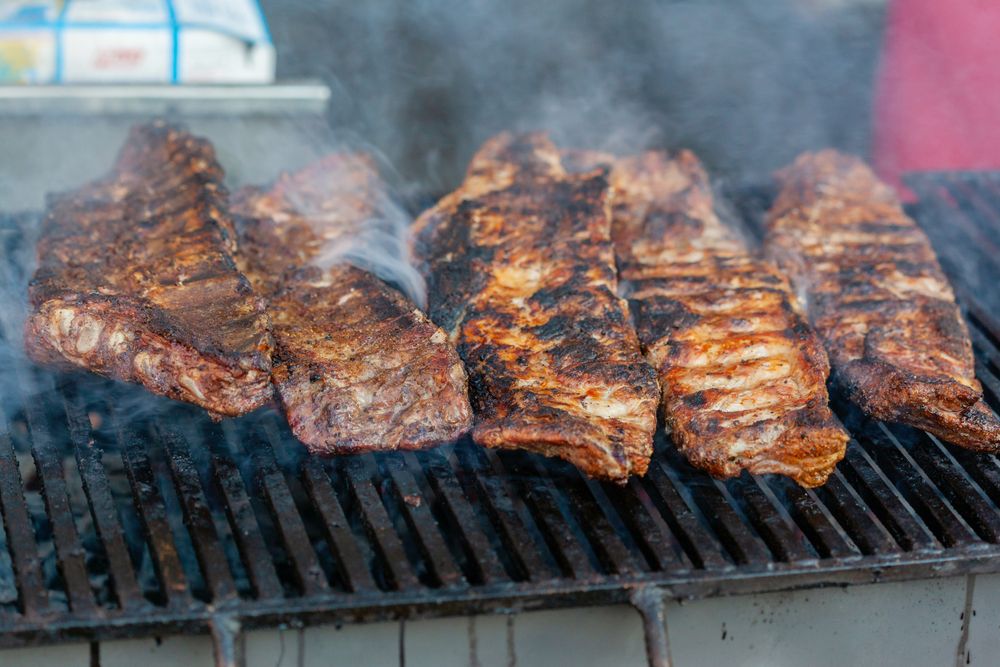 Journal
Barbecue Myths That Will Not Die
Barbecue advice is passed down more than it is tested, which is how these survive.