How each works
A wet brine submerges meat in salted water, so it absorbs water and salt and gains weight, holding more moisture during cooking. A dry brine is simply salting the surface ahead of time; the salt draws out moisture, dissolves, and is reabsorbed with the seasoning, concentrating flavour rather than diluting it.
Why dry brining usually wins
- No bucket of salt water taking up the fridge.
- Concentrated, not diluted, flavour.
- A dry surface, which means crisp skin and a better crust.
- You cannot make the meat watery, which a heavy wet brine can.
When wet brining is worth it
Very lean cuts that dry out easily benefit from the extra water a wet brine adds: a whole turkey, a lean pork loin, or chicken breast destined for a fierce fire. The added moisture buys you a margin of safety against overcooking. For anything with its own fat, dry brining is better and easier.
Dry brine by default. Wet brine only very lean cuts, especially poultry you are worried about drying out. Either way, salt is doing the work; the water is optional insurance.
How long
Dry brine steaks and chops for at least forty five minutes and up to a day. Dry brine poultry overnight, uncovered, for the best skin. Wet brine poultry for eight to twenty four hours depending on size. Longer is not always better; a very long wet brine makes texture spongy.
More from the journal
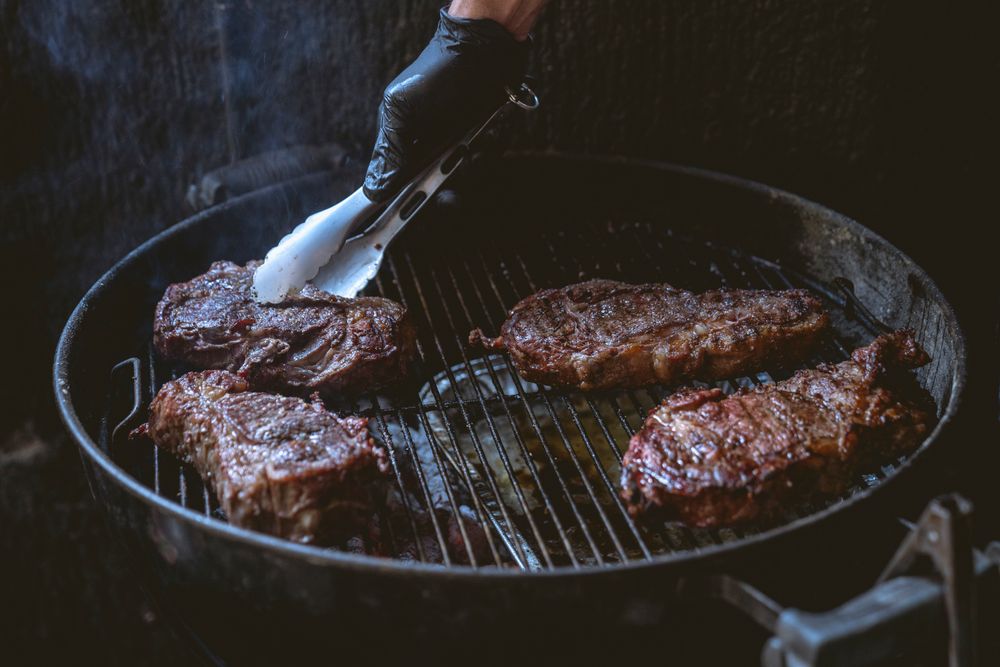 Journal
Charcoal vs Gas: The Honest Answer
Charcoal does taste different, for reasons that have very little to do with the fuel itself.
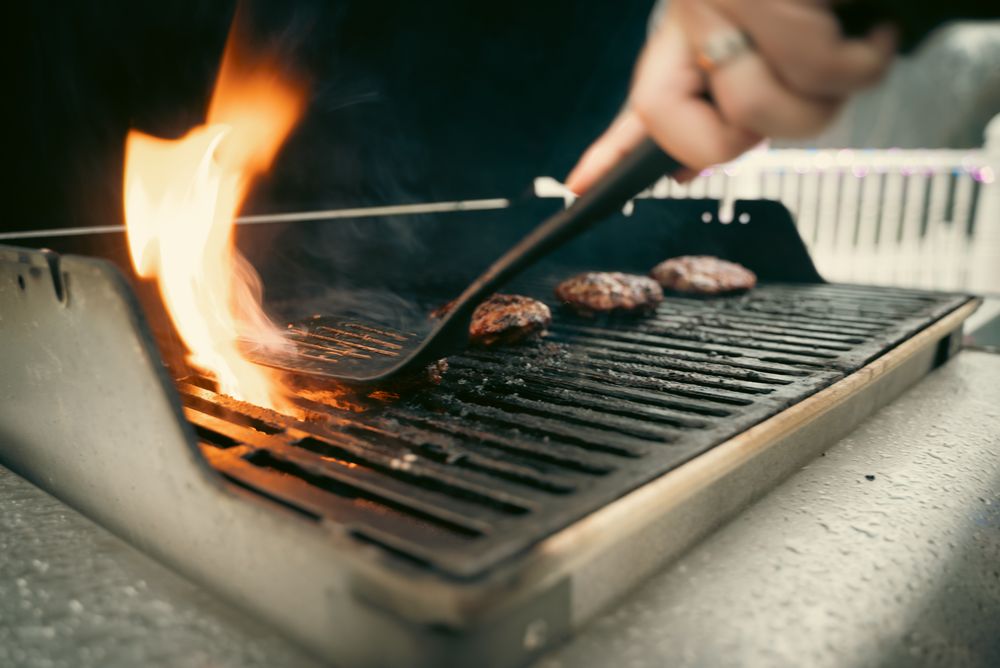 Journal
Nine Charcoal Grilling Mistakes Almost Everyone Makes
None of these are exotic. All of them are the difference between food that is fine and food that is genuinely good.
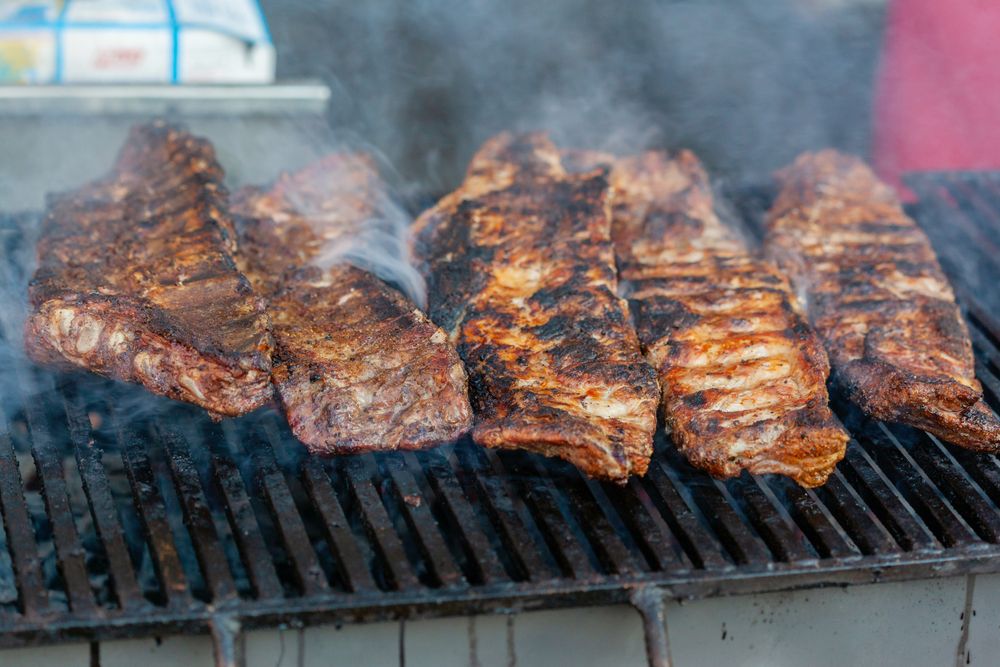 Journal
Barbecue Myths That Will Not Die
Barbecue advice is passed down more than it is tested, which is how these survive.