The backbone
Almost every good rub is built on four things: salt for seasoning, sugar for browning and balance, paprika for colour and gentle warmth, and black pepper for bite. Get the ratios of those right and everything else is a refinement. A classic all-purpose ratio is roughly equal salt and sugar, with paprika and pepper behind them.
What each ingredient does
- Salt: seasons throughout and helps form the bark.
- Sugar: caramelises for colour and balances heat and salt. Use less for high-heat cooks, where it burns.
- Paprika: colour and mild flavour; smoked paprika adds depth.
- Pepper: heat and structure to the flavour.
- Garlic and onion powder: savoury background.
- Cayenne, chilli, cumin, mustard: for character and heat.
Tune it to the cook
Match the rub to the heat. For low and slow barbecue, more sugar is fine because it caramelises slowly into the bark. For a hot, fast grill, cut the sugar right back or it burns to bitterness before the food is done. A brisket rub can be almost pure salt and coarse pepper; a rib rub leans sweet.
Rubs keep for months in a sealed jar. Mix a large batch of your all-purpose blend and you always have it to hand. Toast and grind whole spices for the best version; it makes a real difference over pre-ground.
Start simple
Do not overcomplicate it. A great many superb briskets are seasoned with nothing but coarse salt and pepper. Build from that backbone, add one or two things at a time, and taste as you go. A focused rub of a few good ingredients beats a muddle of twenty.
More from the journal
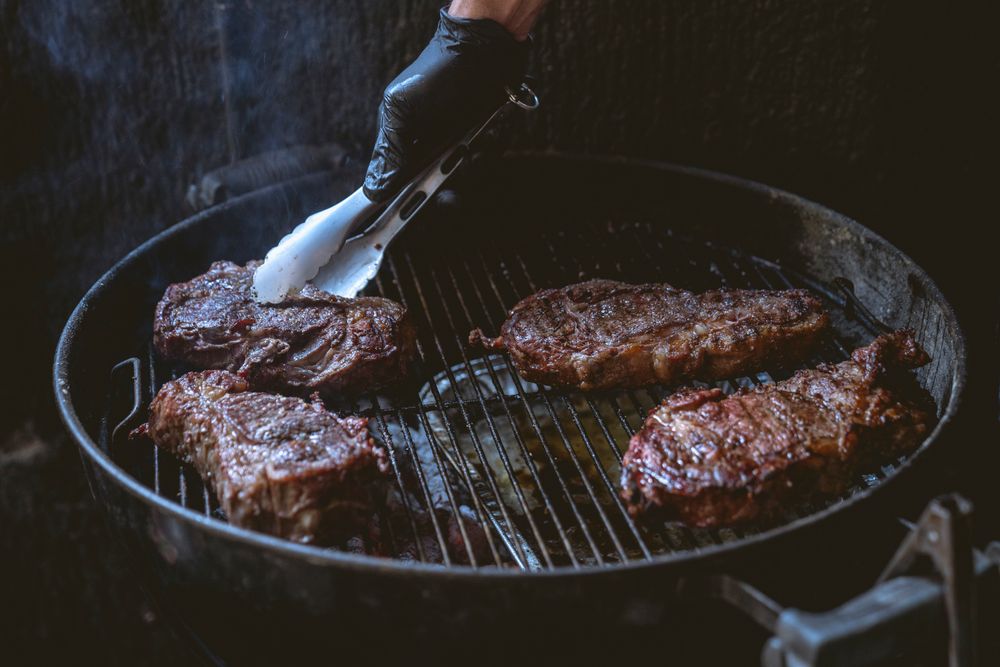 Journal
Charcoal vs Gas: The Honest Answer
Charcoal does taste different, for reasons that have very little to do with the fuel itself.
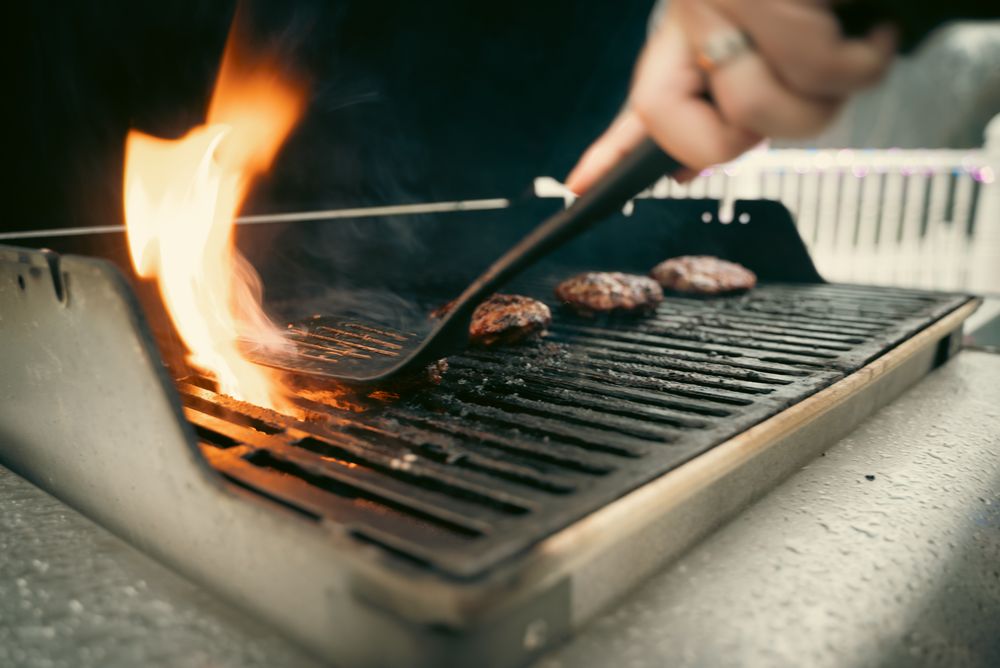 Journal
Nine Charcoal Grilling Mistakes Almost Everyone Makes
None of these are exotic. All of them are the difference between food that is fine and food that is genuinely good.
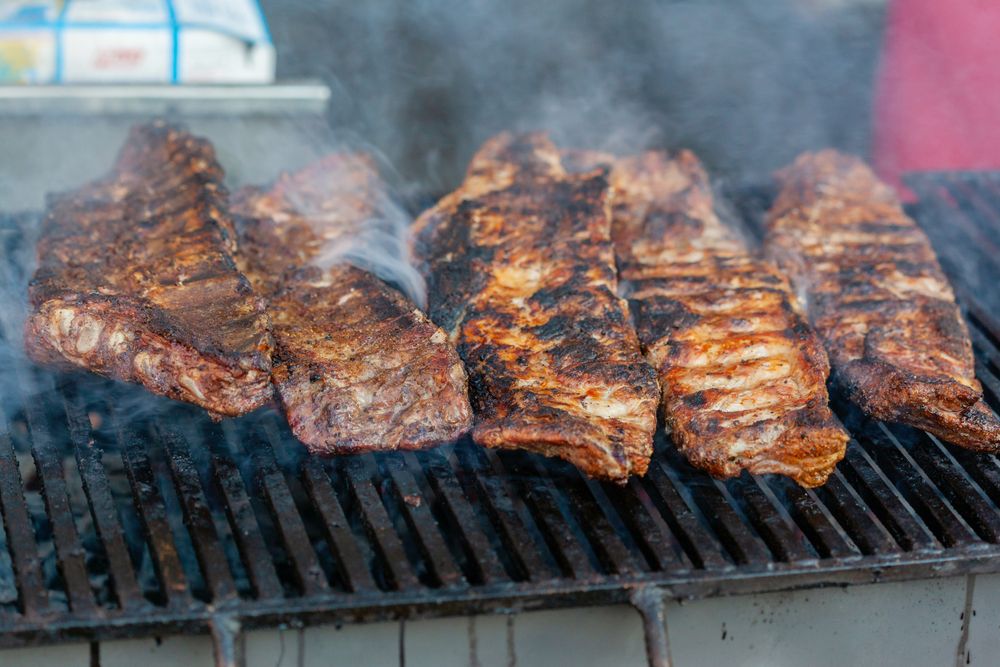 Journal
Barbecue Myths That Will Not Die
Barbecue advice is passed down more than it is tested, which is how these survive.