Think in strength first
The single most useful idea is to match the strength of the wood to the strength of the meat. Big, robust beef takes strong wood; delicate fish and poultry want mild wood, or they end up tasting of an ashtray. Get the strength right and the exact species matters far less.
| Wood | Strength | Best with |
|---|---|---|
| Apple, cherry | Mild, sweet | Poultry, pork, fish, vegetables |
| Oak | Medium, clean | Beef, lamb, anything; the safe default |
| Pecan, maple | Medium, sweet | Pork, poultry, beef |
| Hickory | Strong, bacony | Pork, ribs, beef; easy to overdo |
| Mesquite | Very strong | Short, hot beef cooks only |
| Whisky oak | Medium, vanilla | Beef, pork, a change from plain oak |
Pairings that always work
- Beef and oak: the Texas standard, clean and balanced.
- Pork and apple: sweet, mild and forgiving.
- Chicken and cherry: mild smoke and a lovely mahogany colour.
- Lamb and oak or a little rosemary wood: robust without overwhelming.
- Fish and a light apple or alder: barely there, which is the point.
Three or four fist-sized chunks is plenty for a long cook. Too much wood, or wood smouldering without enough air, produces bitter, acrid smoke. Thin blue smoke that you can barely see is what you want; thick white smoke is a mistake.
Never use these
Never softwoods like pine, fir or cedar as fuel; the resin makes sooty, unpleasant smoke. Never treated, painted or reclaimed construction timber, plywood or pallets, whose glues and preservatives are genuinely toxic. Stick to hardwoods sold for cooking.
More from the journal
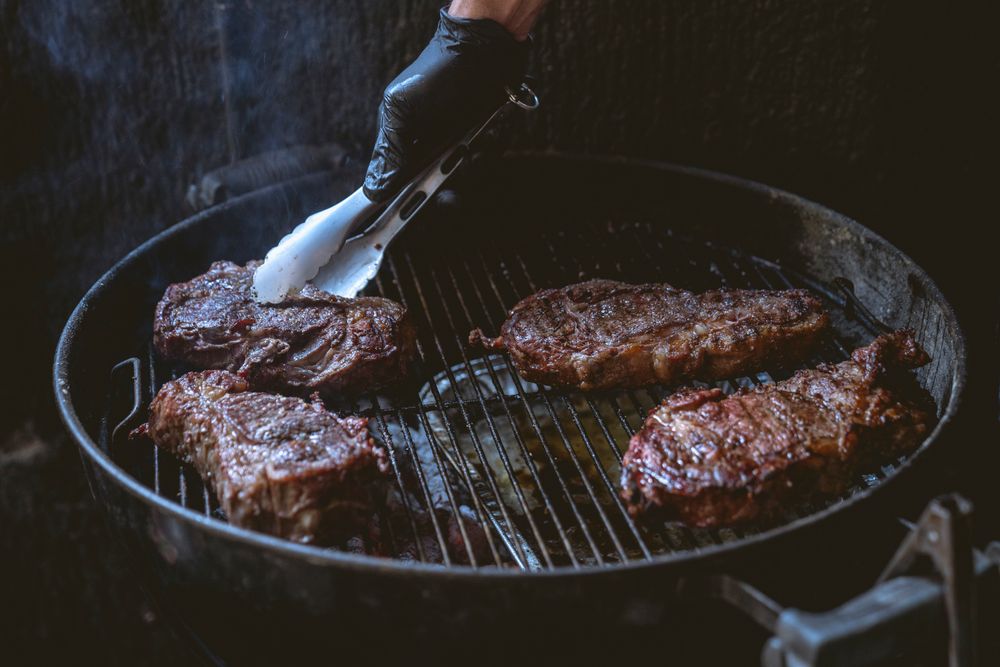 Journal
Charcoal vs Gas: The Honest Answer
Charcoal does taste different, for reasons that have very little to do with the fuel itself.
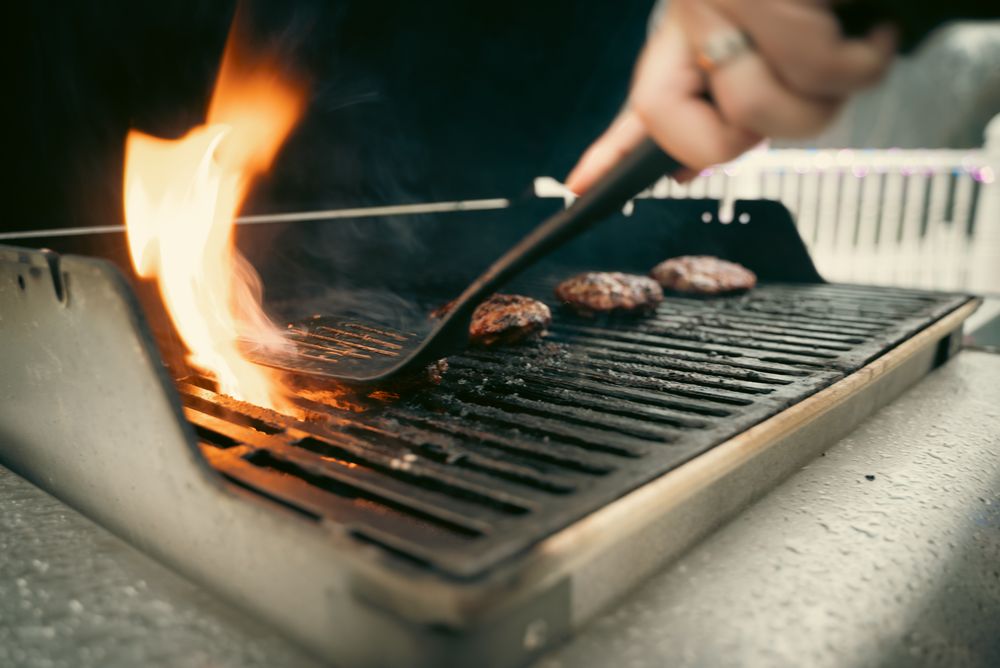 Journal
Nine Charcoal Grilling Mistakes Almost Everyone Makes
None of these are exotic. All of them are the difference between food that is fine and food that is genuinely good.
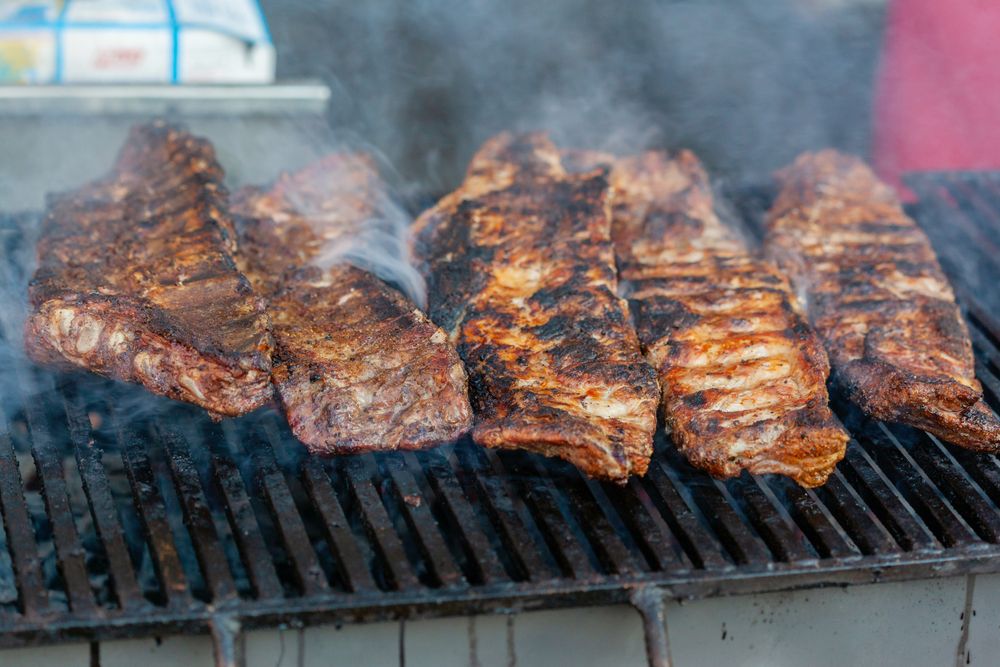 Journal
Barbecue Myths That Will Not Die
Barbecue advice is passed down more than it is tested, which is how these survive.