Two jobs a beer can do
Against rich, fatty, smoky food, a beer either cuts through or matches. Bitter, hoppy and carbonated beers cut, scrubbing the palate clean between bites. Malty, roasty beers match, echoing the caramelised, smoky flavours of the bark. Both work; they just do different things.
Some pairings that land
| Food | Beer style |
|---|---|
| Fatty brisket, short rib | Hoppy IPA or pale ale, to cut |
| Pulled pork, vinegar sauce | Crisp pilsner or amber |
| Smoky ribs | Brown ale or porter, to match the roast |
| Spicy jerk or peri peri | Cold lager, to cool and refresh |
| Grilled seafood | Wheat beer or a dry lager |
| Burnt ends, sweet glaze | Stout or a malty red |
The safe all-rounder
If you are feeding a crowd and cannot match every plate, a crisp, cold lager or pilsner flatters almost everything off a grill. It is refreshing, it cuts fat, and it gets out of the way of the food. Save the big characterful beers for when you are pairing one dish deliberately.
If you want the beer to taste like it belongs with the food rather than fighting it, reach for something with roast or caramel: a brown ale, an amber, a porter. Those flavours are already on the plate in the bark.
More from the journal
 Journal
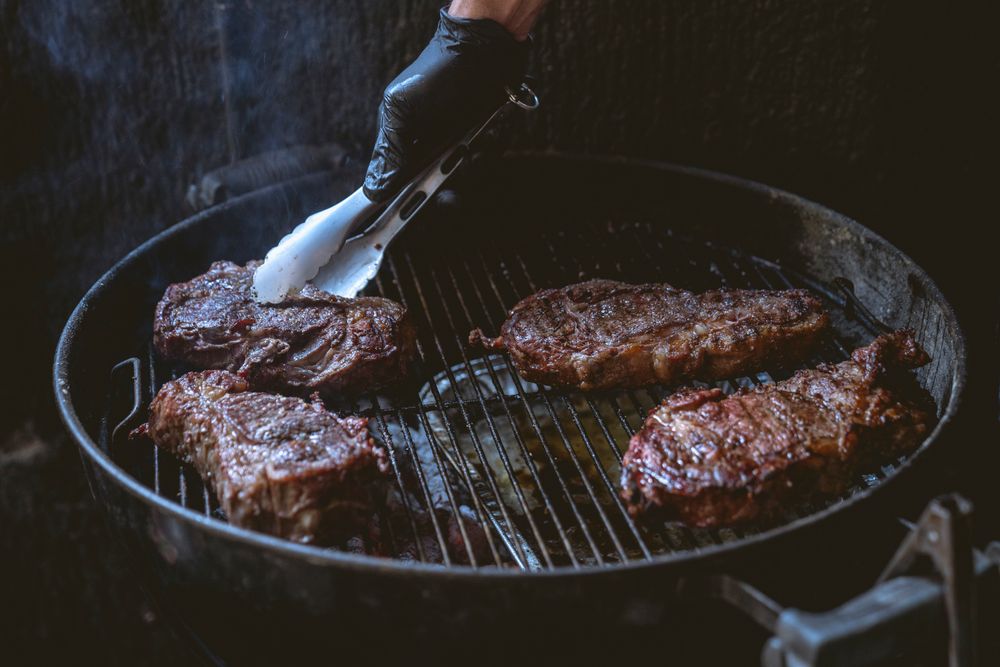
Charcoal vs Gas: The Honest Answer
Charcoal does taste different, for reasons that have very little to do with the fuel itself.
 Journal
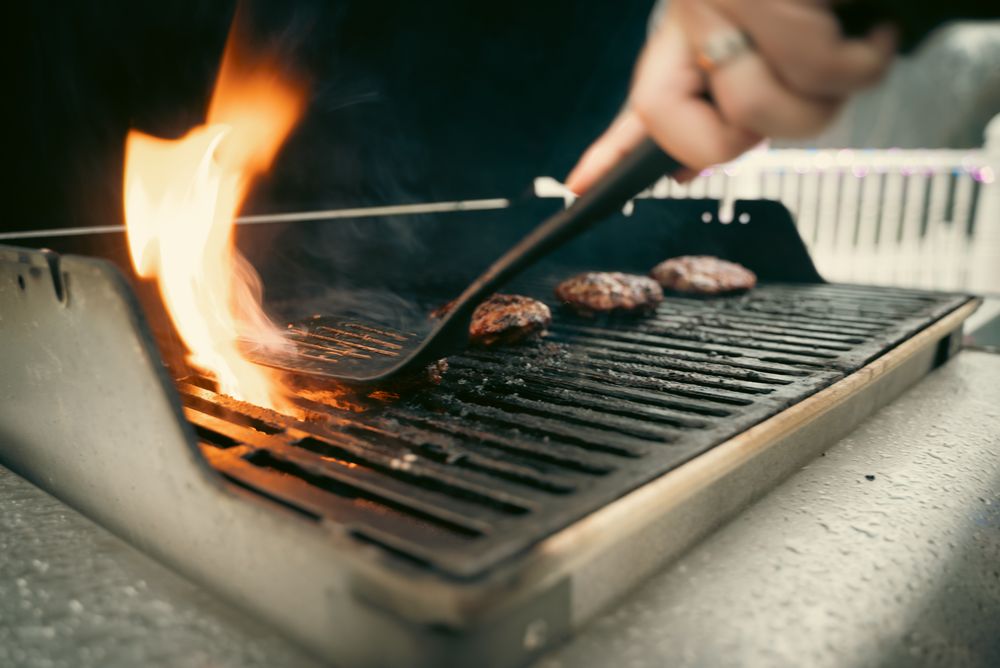
Nine Charcoal Grilling Mistakes Almost Everyone Makes
None of these are exotic. All of them are the difference between food that is fine and food that is genuinely good.
 Journal
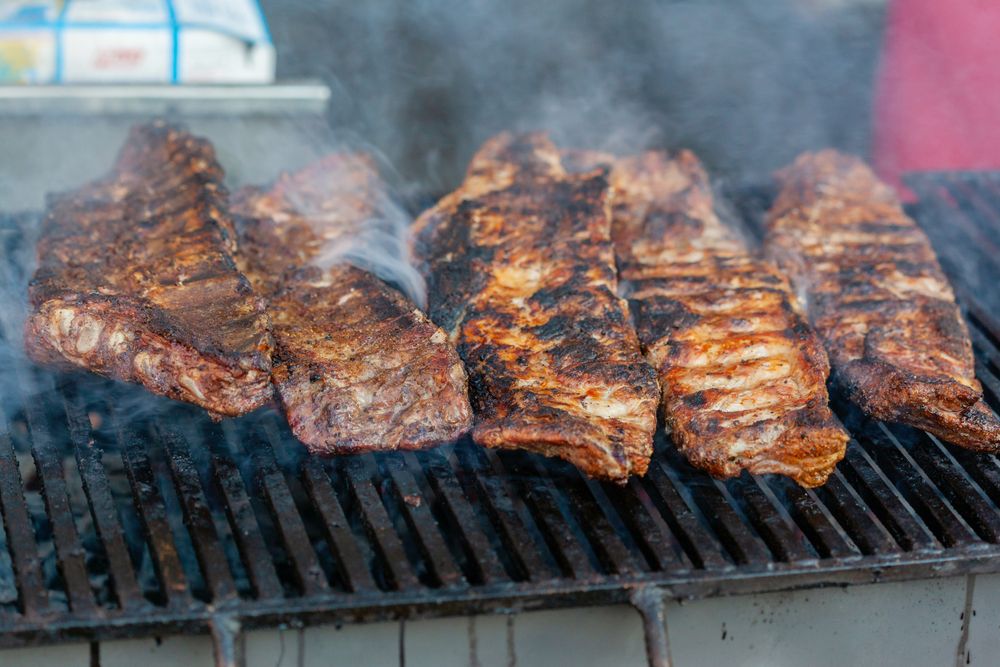
Barbecue Myths That Will Not Die
Barbecue advice is passed down more than it is tested, which is how these survive.