Trim the fat cap to about a centimetre, remove the hard lump of fat between the point and flat, square off thin edges that will burn, and take off any grey or hard surface fat. Keep the trimmings for tallow or mince.
Step by step
Work with cold meat
Trim the brisket straight from the fridge. Cold fat is firm and cuts cleanly; warm fat is soft and smears. A sharp, flexible boning knife is the right tool.
Trim the fat cap
Take the thick fat cap down to about a centimetre, evenly. Too much and it never renders and blocks smoke and seasoning; too little and the meat under it dries out. A centimetre is the target.
Remove the hard fat seam
Between the point and the flat is a thick lump of hard fat that never renders. Remove what you can reach without butchering the meat; it is unpleasant to eat and gets in the way of even cooking.
Square off thin edges
Trim away any thin, papery edges and flaps of meat. They will burn to charcoal long before the thick centre is done, and a squared-off brisket cooks far more evenly.
Save the trimmings
Keep the trimmed fat. Rendered slowly it becomes beef tallow, which is superb for basting and for cooking. The meaty trim can go into burgers or chilli.
Why trimming matters
A brisket is an awkward shape: thick in the middle, thin at the edges, with a fat cap on one side and a seam of hard fat through the middle. Left as it comes, the thin bits burn, the hard fat never renders, and the fat cap keeps smoke off the meat. Trimming turns it into an even, well-behaved cut.
Do not over-trim
It is possible to trim too much. The fat cap and the intramuscular fat are what keep a brisket moist over twelve hours. Leave a centimetre of cap, leave the internal fat alone, and only remove what is hard, grey, papery or in the way. When in doubt, leave it on.
On a kettle or offset where the heat comes from the side, cook fat cap up so it bastes the meat as it renders. On a cooker with heat directly below, cook fat cap down to shield the meat. Trim it to a centimetre either way.
Common questions
How much brisket do I lose to trimming?
Expect to trim off fifteen to twenty five percent of the raw weight as fat and waste. That is normal, and much of it becomes tallow rather than being thrown away.
Do I need a special knife?
A sharp, flexible boning knife is ideal for working around the fat and the seams. A rigid chef's knife will do but is less nimble. Sharpness matters more than the exact knife.
Related guides
 Technique
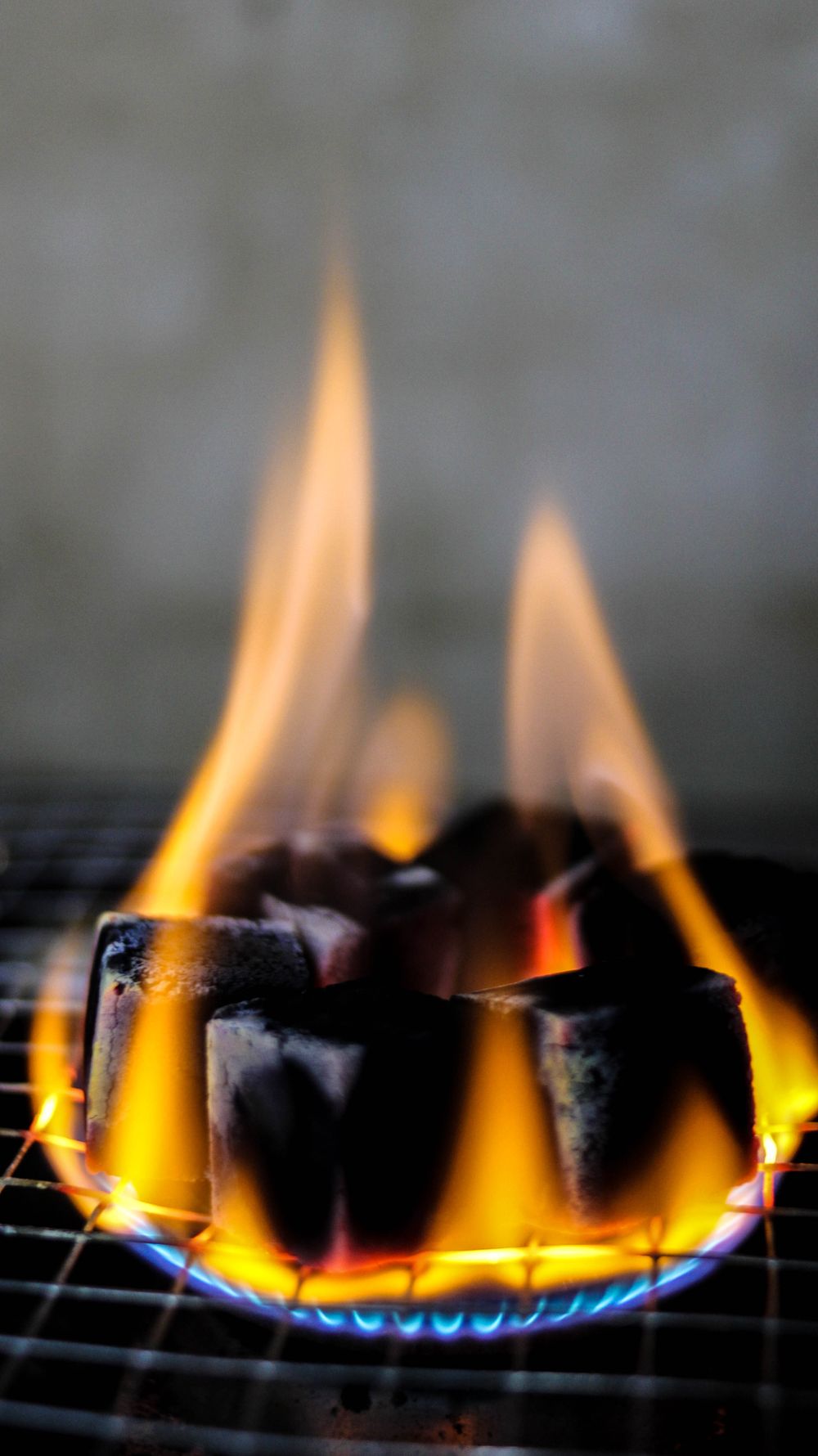
How to Light Charcoal Without Lighter Fluid
There is one right way to light charcoal, it costs about twenty five dollars, and it takes fifteen minutes.
 Technique
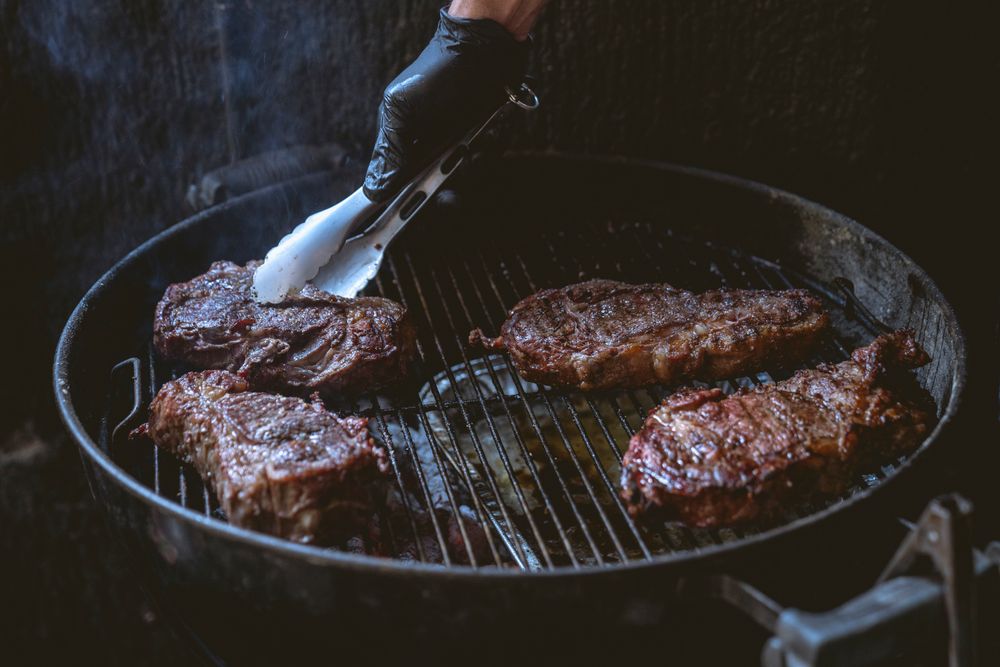
How to Set Up a Two-Zone Fire
One fire, two temperatures, and suddenly a charcoal grill can do everything an oven and a frying pan can do together.
 Technique
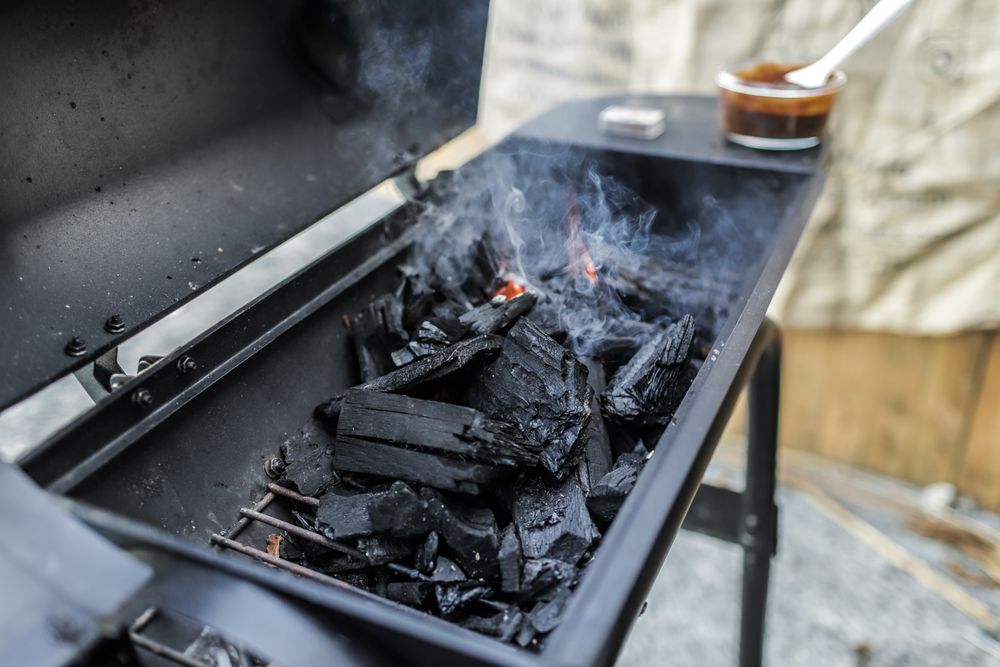
The Snake Method: Low and Slow on a Kettle
A line of unlit briquettes, lit at one end, burning along at about an inch an hour. It is the cheapest smoker you will ever build and it is already inside your kettle.