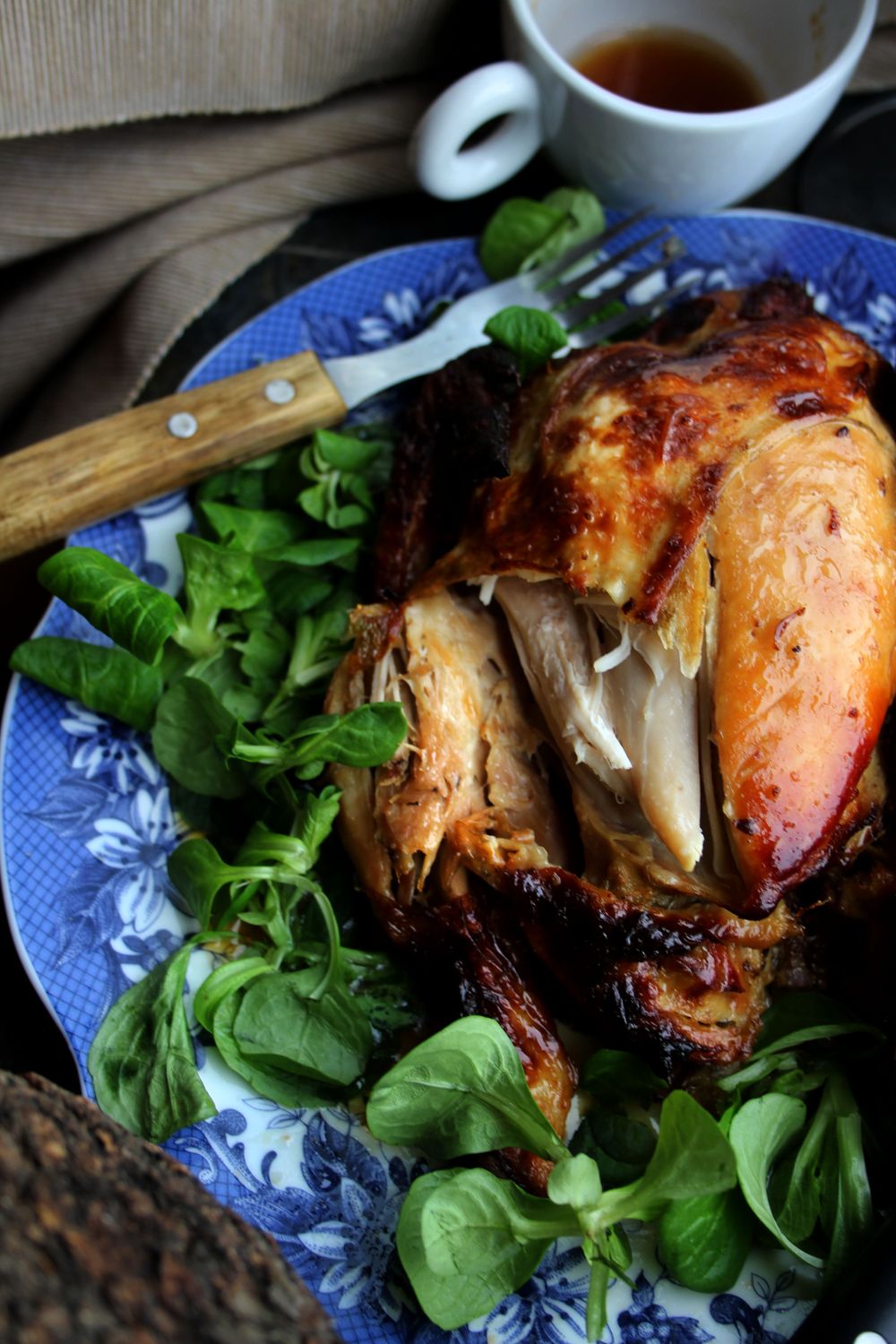
Cut out the backbone with sturdy shears, flip the bird and press the breastbone flat, and you have a chicken that cooks in half the time, more evenly, with far more crisp skin. Dry-brine it overnight for the best results.
Step by step
Get the right tool
You need sturdy kitchen shears or poultry scissors. A knife will not cut through the backbone cleanly and is more dangerous. Good shears make this trivial.
Cut out the backbone
Put the chicken breast side down. Cut up one side of the backbone from tail to neck, then up the other side, and lift the backbone out. Keep it for stock; it is too good to waste.
Flatten the bird
Turn the chicken breast side up and press down hard on the breastbone with the heel of your hand until it cracks and the bird lies flat. It should sit almost completely level.
Dry-brine it
Salt the flattened bird all over, ideally with a little baking powder mixed in for crisper skin, and leave it uncovered on a rack in the fridge overnight. This seasons it through and dries the skin.
Cook it flat
Cook the bird flat over indirect heat, skin side up, with the legs pointing toward the coals since thighs want more heat than breasts. Finish over the coals to crisp the skin.
Why spatchcock at all?
A whole chicken has a fundamental problem: the breast is done at 74°C but the thighs want 78°C or more, and in a round roasting bird the two never quite line up. Flattening the chicken exposes it all to even heat, lets you position the legs nearer the fire, and roughly halves the cooking time.
The skin is the payoff
Because the whole bird lies flat with all its skin exposed to the heat, spatchcocking gives you far more crisp skin than a trussed roast, which hides half its skin against itself. Combined with an overnight dry brine, it produces skin like glass.
The backbones you remove make the best chicken stock you will ever have. Keep them in the freezer, and once you have a few, make stock. It is the quiet bonus of cooking whole birds.
Common questions
Is spatchcocking the same as butterflying?
Yes. Spatchcock and butterfly mean the same thing: removing the backbone and flattening the bird. The word spatchcock is older and more common for poultry.
Can I spatchcock a turkey?
Yes, and it works brilliantly, though you need heavy-duty shears or a cleaver for the bigger backbone. A spatchcocked turkey cooks faster and more evenly than a whole one.
Related guides
 Technique
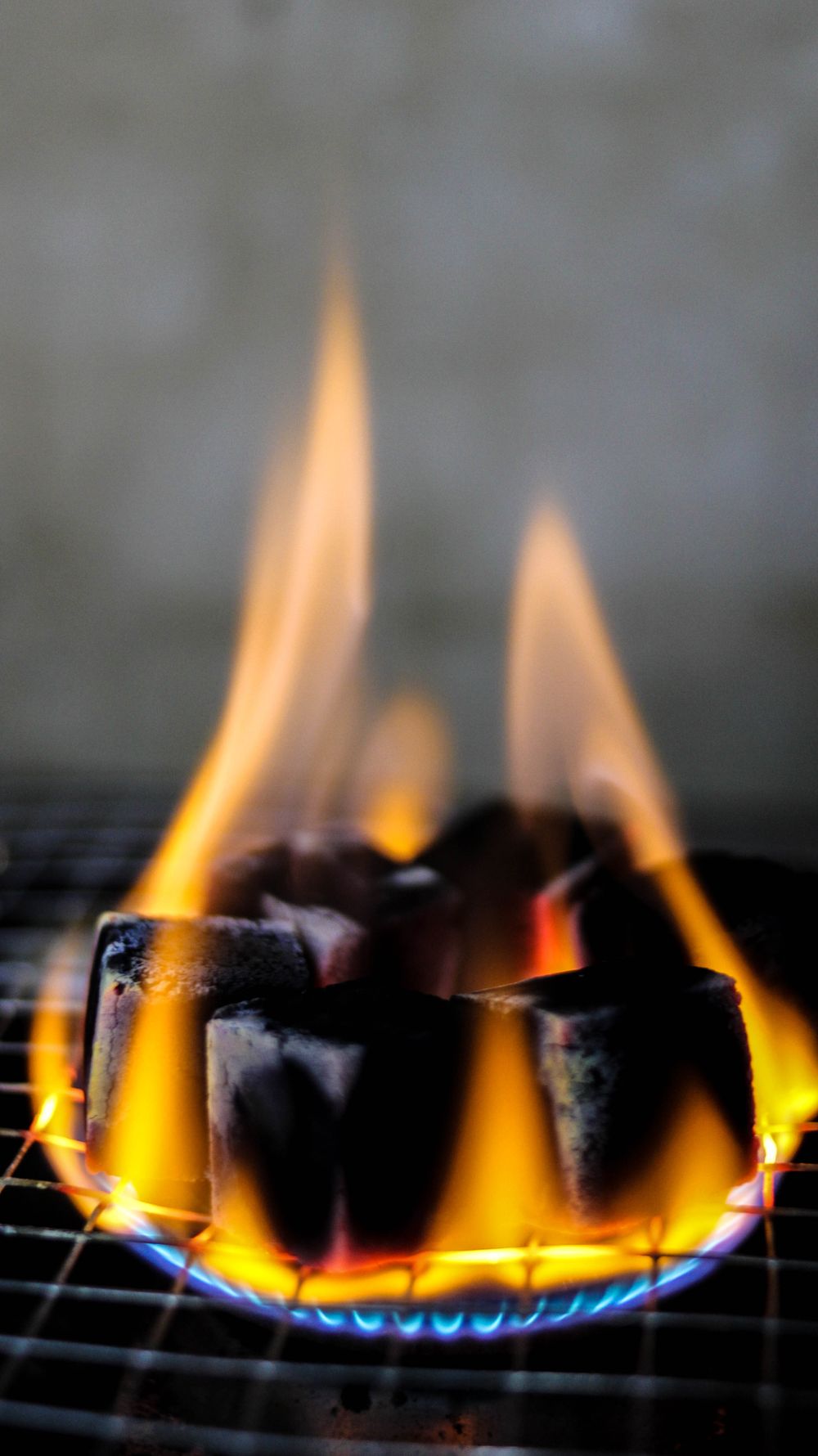
How to Light Charcoal Without Lighter Fluid
There is one right way to light charcoal, it costs about twenty five dollars, and it takes fifteen minutes.
 Technique
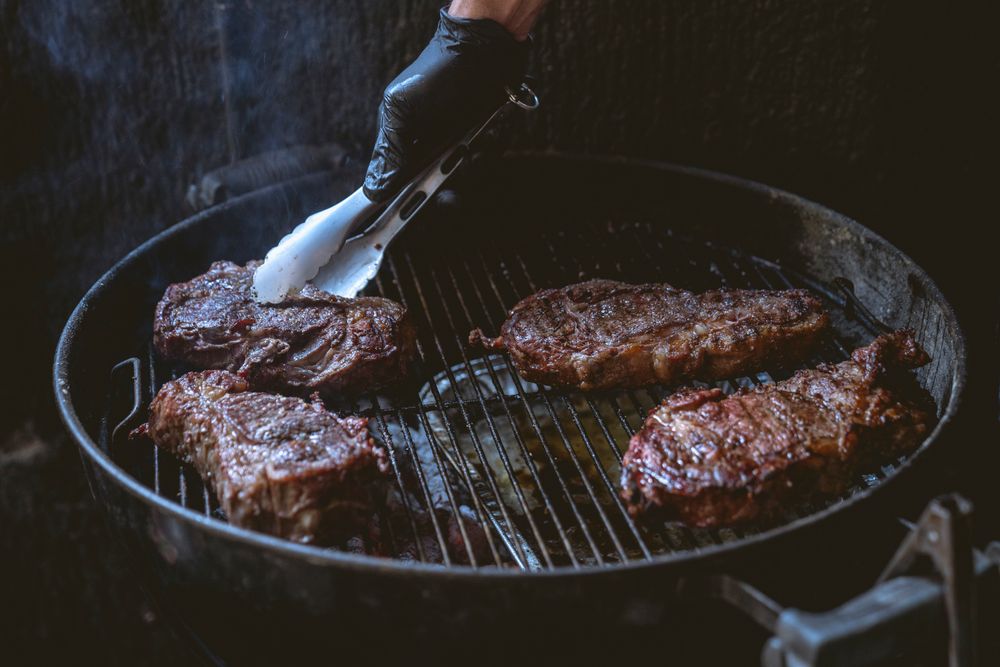
How to Set Up a Two-Zone Fire
One fire, two temperatures, and suddenly a charcoal grill can do everything an oven and a frying pan can do together.
 Technique
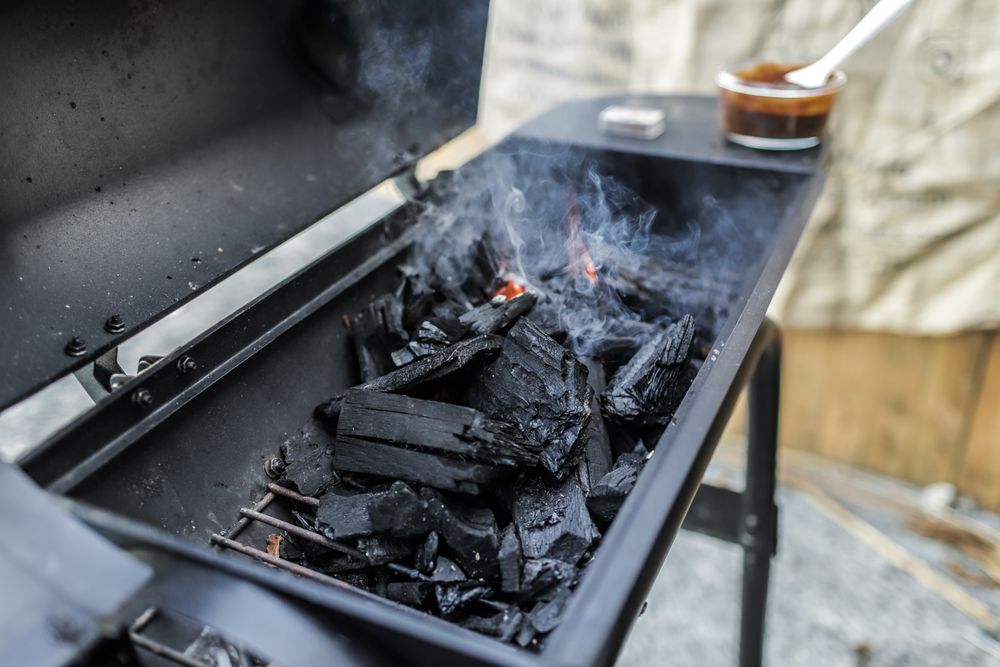
The Snake Method: Low and Slow on a Kettle
A line of unlit briquettes, lit at one end, burning along at about an inch an hour. It is the cheapest smoker you will ever build and it is already inside your kettle.