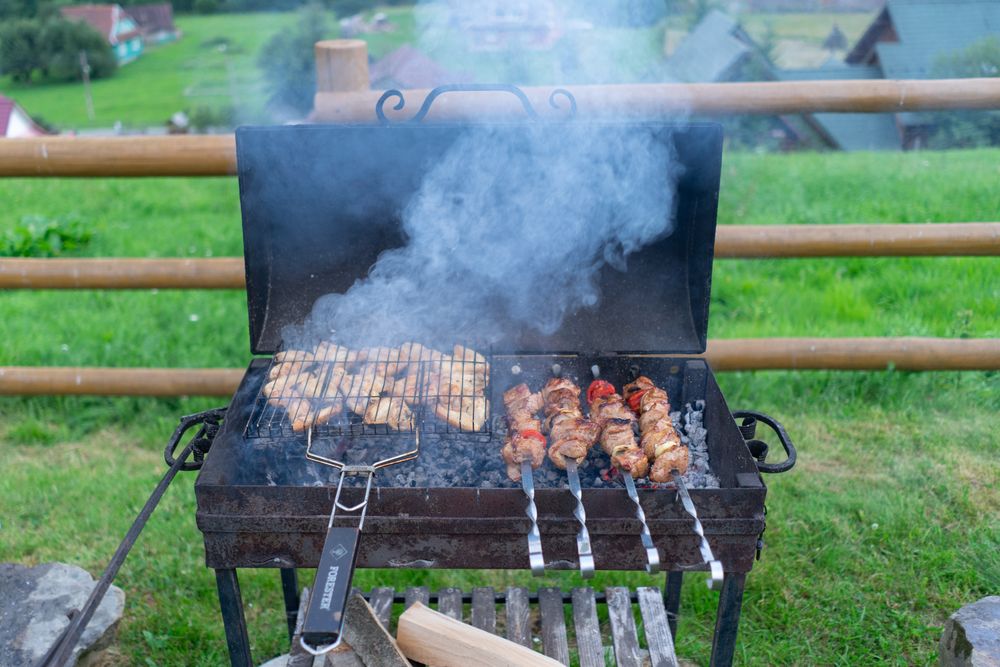
Bank the coals in two lines with a drip pan between them, load the meat balanced on the spit and secured with the forks, and run the motor with the lid on at around 160°C. The constant rotation self-bastes and browns everything evenly.
Step by step
Set the fire to the sides
Bank the coals in two lines, at the front and back, with a drip pan between them directly under the meat. This gives even radiant heat from both sides and catches the considerable fat that will render.
Load the spit balanced
Thread the meat onto the spit through its centre of gravity so it turns evenly, and secure it firmly with the forks at both ends. An off-centre load wobbles, cooks unevenly and can stall or wear out the motor.
Check the balance before lighting
Rest the loaded spit on the supports and give it a spin by hand. If it always stops with the same side down, it is unbalanced; adjust it until it turns freely. Do this before the motor is working against it.
Run it with the lid on
Fit the spit, start the motor, and cook with the lid on at around 160°C. Top up the coals at the ends of the banks every forty-five minutes or so to hold the temperature.
Blast the skin at the end
For crisp skin, open the vents and add a fresh half chimney of lit coals near the end, and take the lid off for the final minutes, still turning, until the skin is glassy and deep gold.
Why a rotisserie works
Constant rotation means the meat self-bastes, as rendering fat runs back over the surface rather than dripping away, and it browns evenly because no side sits still against the heat. There is no hot side to fight, which is why rotisserie chicken skin renders so uniformly.
What to cook on it
- Whole chickens, self-basting to crisp, even skin.
- Porchetta, rolled pork belly turning until the crackling blisters all round.
- Gyros, a stack of marinated meat shaved as the outside crisps.
- Souvla, big Cypriot chunks of pork turning low and slow for hours.
The one thing that goes wrong with a rotisserie is an unbalanced load stalling the motor or wearing it out. Spend the extra minute balancing the spit by hand before you light anything. It saves the motor and gives you an even cook.
Common questions
Can I fit a rotisserie to my kettle?
Yes. A rotisserie ring kit fits most 47 to 57cm kettles for a fraction of a dedicated cooker, adding a raised ring and a motorised spit. It is the cheapest route to spit-roasting at home.
How hot should a rotisserie run?
Around 160°C for most things, hot enough to render and crisp skin but gentle enough to cook through evenly. Blast the heat higher for the final few minutes to crisp the skin.
Related guides
 Technique
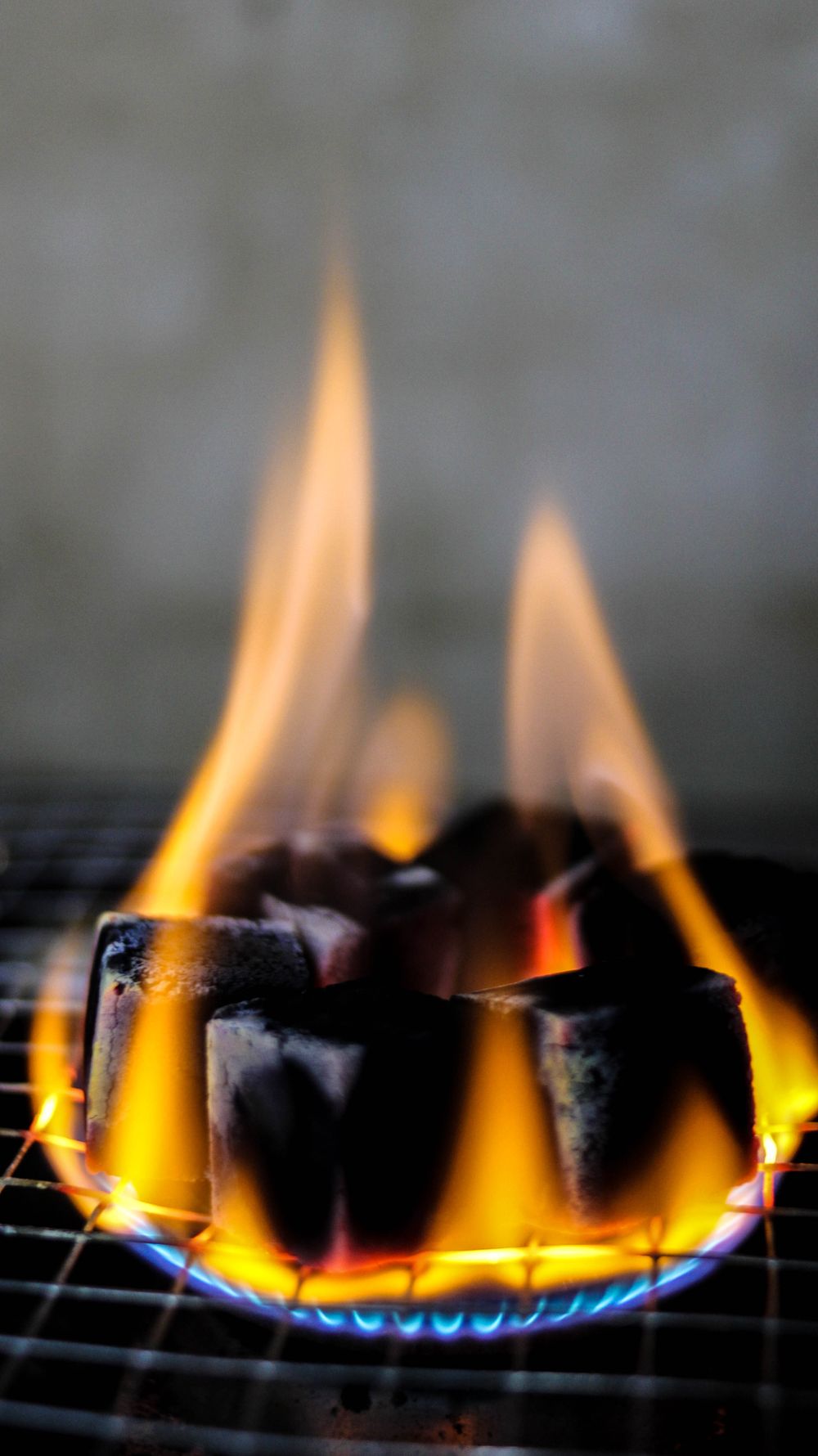
How to Light Charcoal Without Lighter Fluid
There is one right way to light charcoal, it costs about twenty five dollars, and it takes fifteen minutes.
 Technique
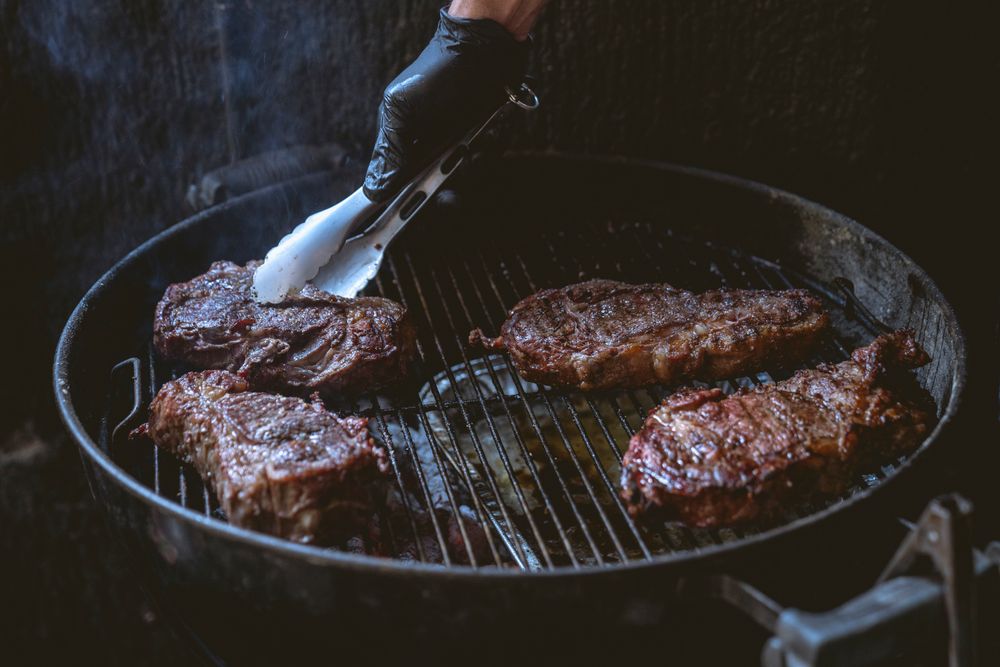
How to Set Up a Two-Zone Fire
One fire, two temperatures, and suddenly a charcoal grill can do everything an oven and a frying pan can do together.
 Technique
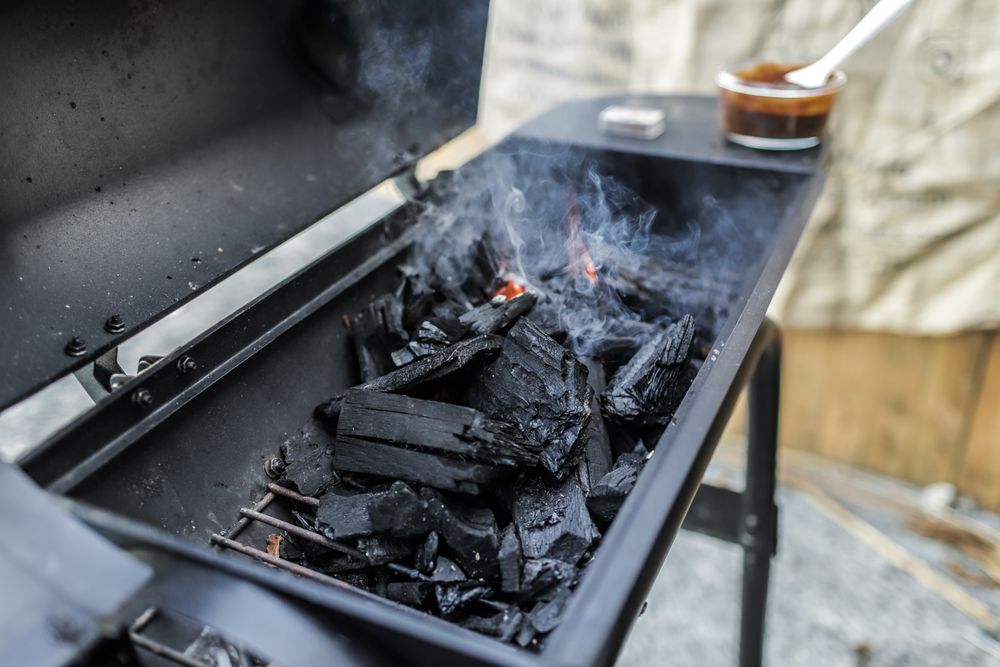
The Snake Method: Low and Slow on a Kettle
A line of unlit briquettes, lit at one end, burning along at about an inch an hour. It is the cheapest smoker you will ever build and it is already inside your kettle.