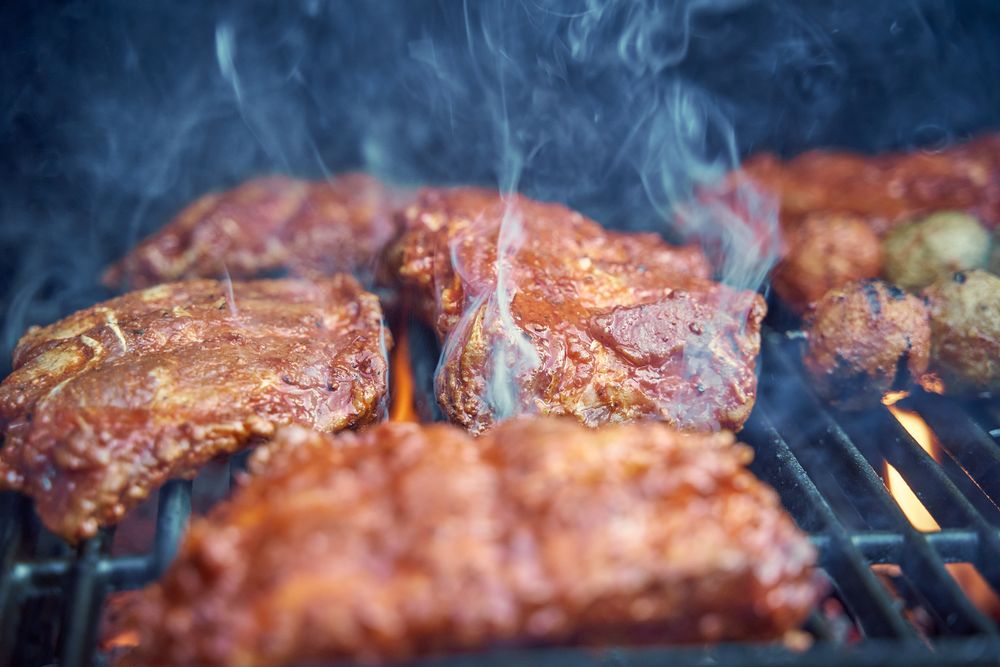
Set up a snake or Minion fire for a steady 110 to 135°C, put on a well-seasoned pork shoulder, and leave it alone. Cook to an internal 95°C and probe-tender, wrapping through the stall. Rest at least an hour, then pull.
Step by step
Start with a forgiving cut
Cook a bone-in pork shoulder first, not a brisket. It carries so much fat and connective tissue that it survives almost any mistake, which is exactly what you want while you learn the fire.
Set up a long-burning fire
Use the snake method in a kettle or the Minion method in a bullet smoker, so most of your charcoal stays unlit and a small fire creeps through it for hours. Aim for a steady 110 to 135°C at the grate.
Season and put it on
Season the shoulder heavily the night before. Put it on fat side up, add a couple of wood chunks, and put the lid on with the vent over the meat.
Leave it alone
This is the hardest step. Do not open the lid for the first several hours; there is nothing to see and every opening costs you time. Adjust the temperature only with the bottom vent, in small moves, waiting fifteen minutes to judge each.
Wrap through the stall, then finish
Around 70°C the temperature will stall for hours; this is normal. Once the bark is dark, wrap in foil to push through. Cook to an internal 95°C and until a probe slides in with no resistance, then rest at least an hour and pull.
What low and slow actually is
Low and slow means cooking tough, collagen-rich cuts at a low temperature for a long time, so the collagen melts to gelatin and the meat turns tender. Rushed at high heat, these cuts stay tough; given hours of gentle smoke, they become the best eating there is.
Patience is the whole skill
There is very little technique to a first low and slow cook beyond setting a steady fire and leaving it alone. The temptation to fiddle, to open the lid, to crank the heat when the stall hits, is what ruins beginners' cooks. Trust the process and the shoulder will look after itself.
Never cook low and slow to a deadline. A shoulder or a brisket is done when it is done, not when you want to eat. Start early, and rest the finished meat in a cooler for hours if it is ready before you are. It only improves.
Common questions
What temperature is low and slow?
Usually 110 to 135°C at the grate. Lower is more traditional; a little higher, around 135°C, is faster and forgiving for beginners and works well for pork and ribs.
How long does a pork shoulder take?
Roughly ten to twelve hours for a large bone-in shoulder at 120°C, but time is only a guide. It is done when it reaches around 95°C internally and probes tender, however long that takes.
Related guides
 Technique
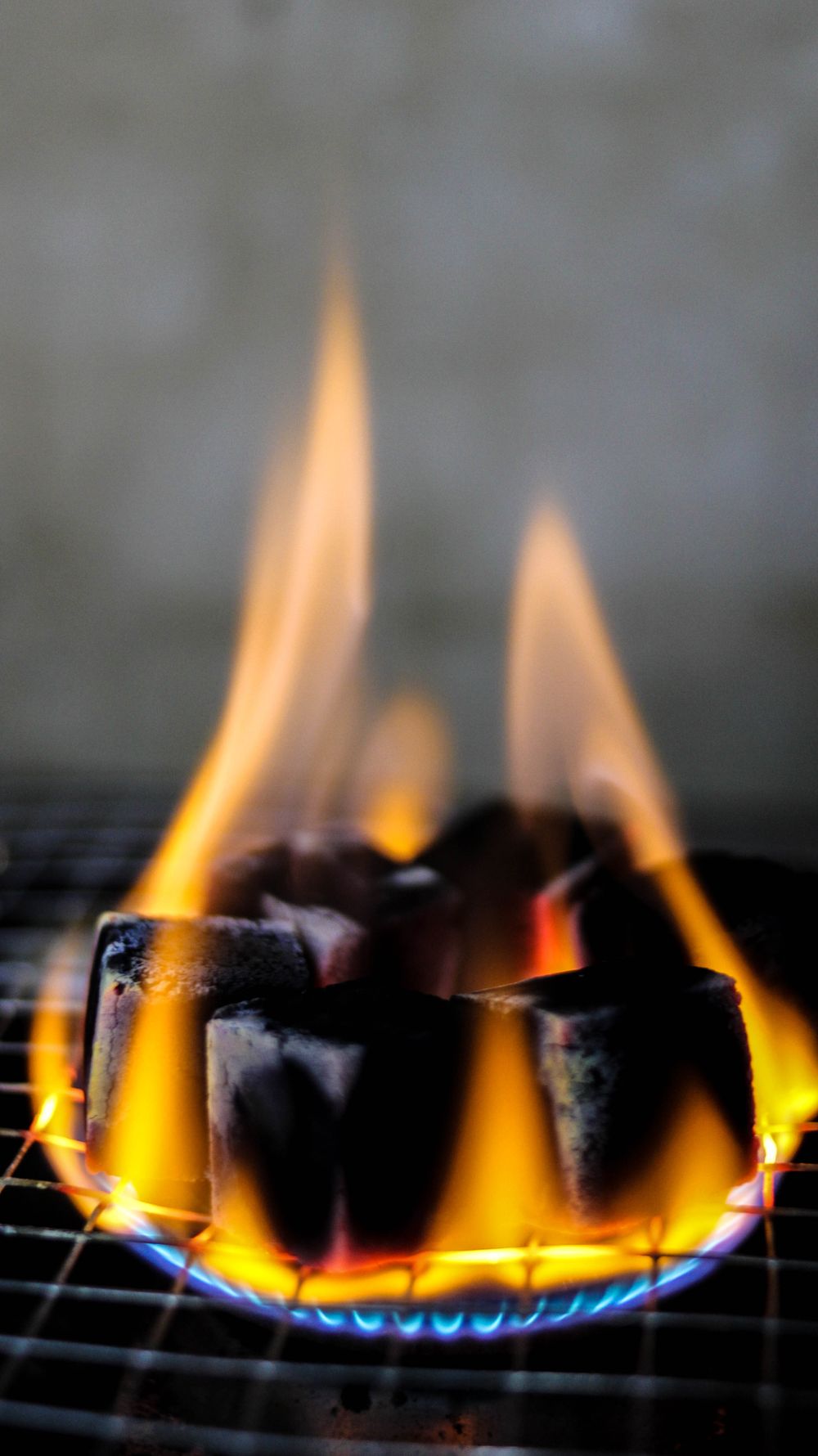
How to Light Charcoal Without Lighter Fluid
There is one right way to light charcoal, it costs about twenty five dollars, and it takes fifteen minutes.
 Technique
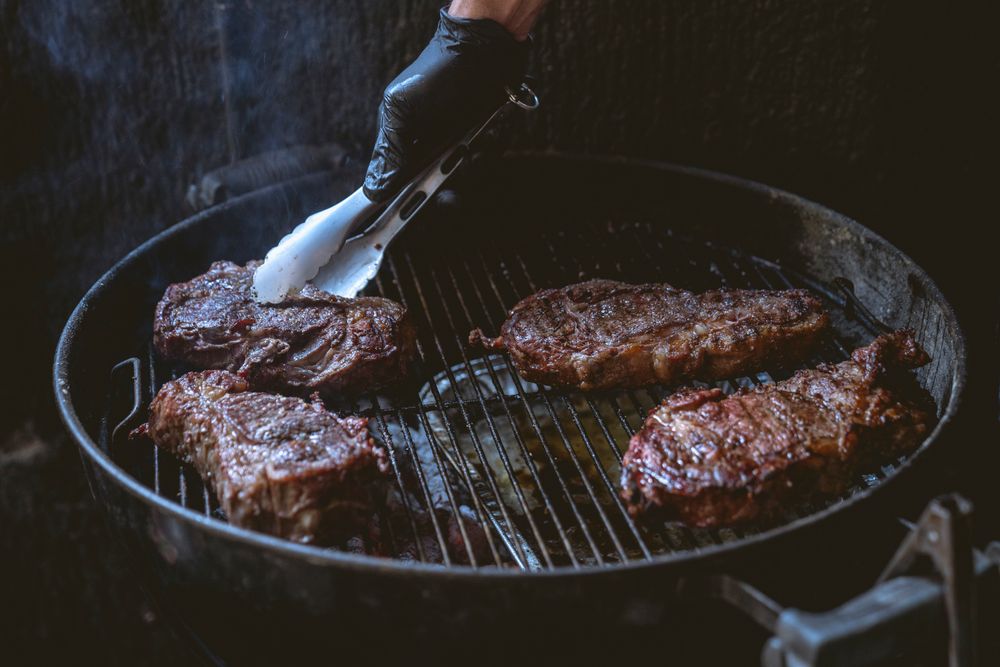
How to Set Up a Two-Zone Fire
One fire, two temperatures, and suddenly a charcoal grill can do everything an oven and a frying pan can do together.
 Technique
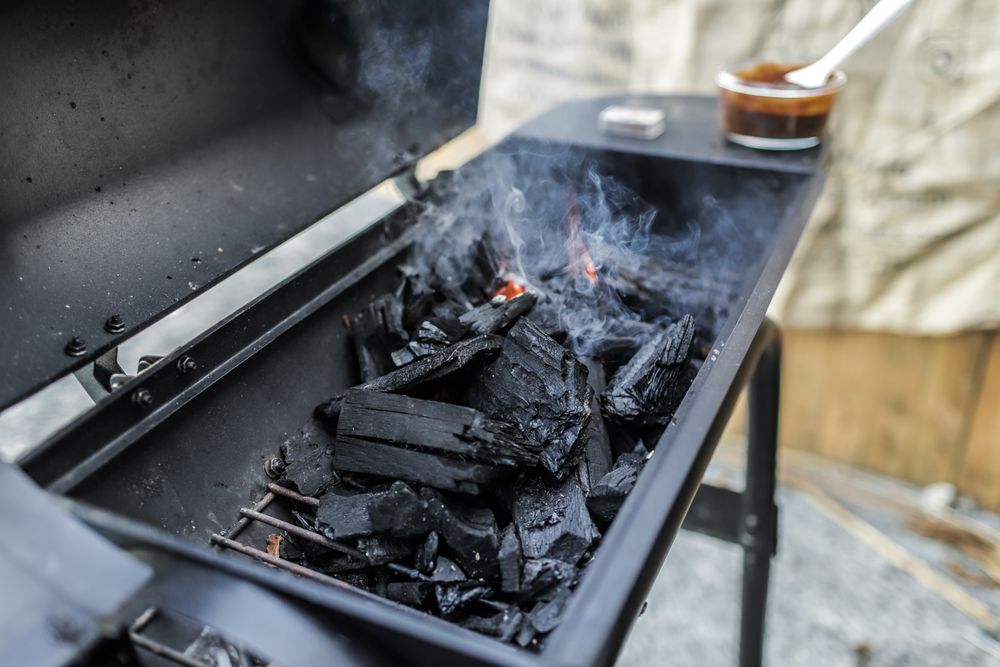
The Snake Method: Low and Slow on a Kettle
A line of unlit briquettes, lit at one end, burning along at about an inch an hour. It is the cheapest smoker you will ever build and it is already inside your kettle.