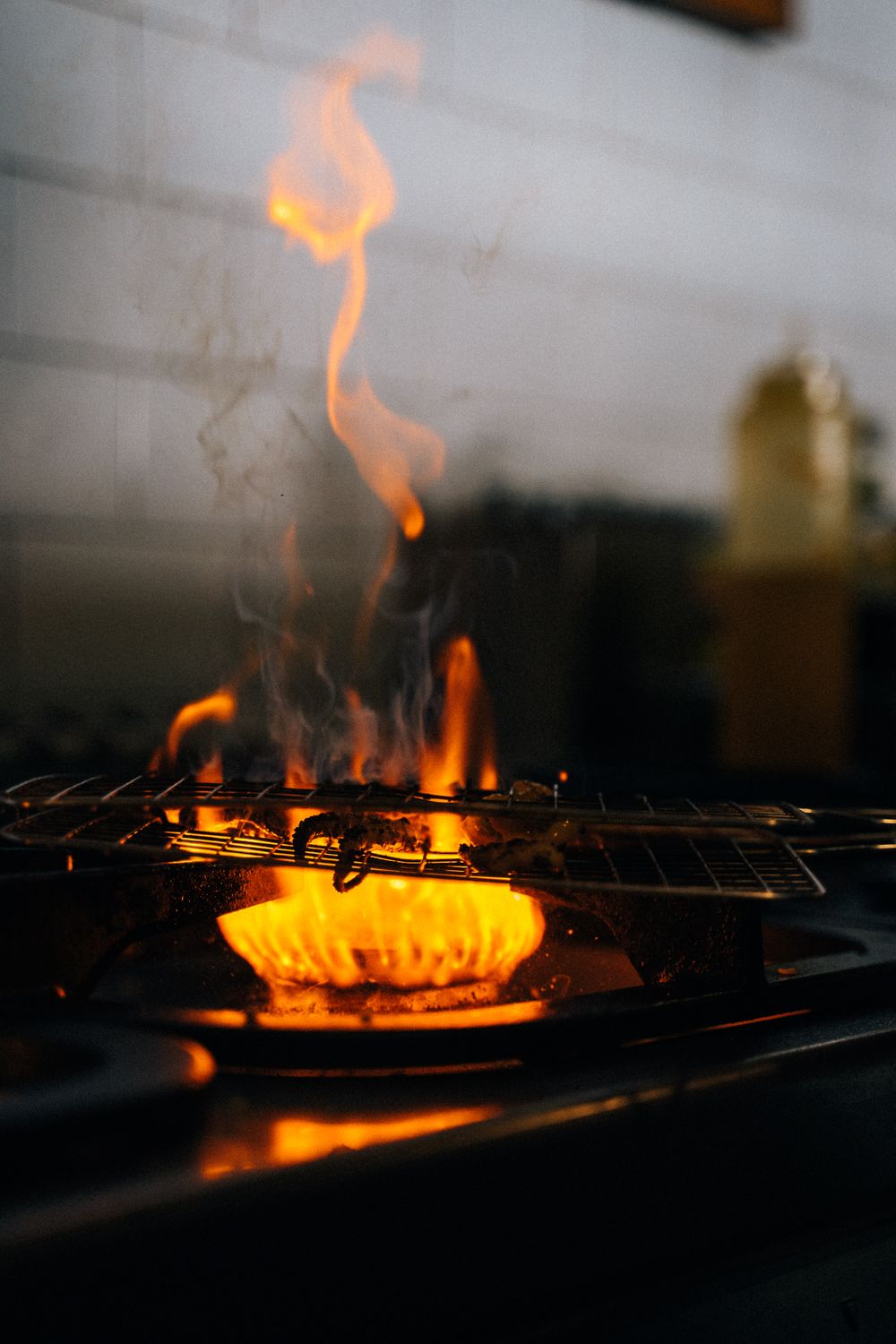
Flare-ups happen when fat drips onto the coals and ignites. Prevent them with a two-zone fire and by trimming excess fat; deal with one by moving the food to the cool side, never by dousing the fire with water.
Step by step
Understand the cause
Flare-ups are fat and juices dripping onto hot coals and catching fire. A brief flare deposits flavour; a sustained one deposits soot and an acrid taste. The goal is not to eliminate flame but to control it.
Keep a two-zone fire
The single best defence is always having a cool zone to move food to. When something flares, you slide it sideways off the flame rather than standing over a fire with nowhere to go.
Trim and manage fat
Trim obviously excessive fat, and for fatty cooks use a drip pan under the food on the indirect side to catch the drips before they reach the coals.
Move the food, do not douse
When a flare-up gets going, move the food to the cool side and let the flame die. Never throw water on the coals: it produces steam, ash clouds and thermal shock, and on ceramic it can crack the cooker.
Smother a grease fire
If fat genuinely catches and the fire will not settle, close the lid and shut the vents. Starved of oxygen it goes out. This is the only safe way to kill a real grease fire; water makes it worse.
When a flare-up is good
Some cooking wants brief flame. Lamb chops, picanha and other fatty cuts benefit from the flavour a quick lick of fire deposits. The skill is letting it kiss the food and then moving on, rather than letting it settle into a sustained, sooty blaze.
The lid is your friend
A closed lid limits oxygen and calms flare-ups, as well as cooking food more evenly. If you are getting persistent flames on an open grill, cooking with the lid on more often will settle things considerably.
Throwing water on burning fat spreads it and can flash into a fireball. If fat catches, smother it: close the lid, shut the vents, and let it suffocate. Keep a lid or a metal tray to hand for exactly this.
Common questions
Are flare-ups bad?
Not always. Brief flare-ups deposit flavour and are part of how fatty cuts taste over fire. Sustained flames are the problem: they deposit soot and make food taste acrid. Move the food rather than fighting the fire.
How do I stop constant flare-ups?
Cook fatty food over indirect heat with a drip pan, keep the lid on more, and trim excess fat. A two-zone fire means you always have somewhere safe to move the food.
Related guides
 Technique
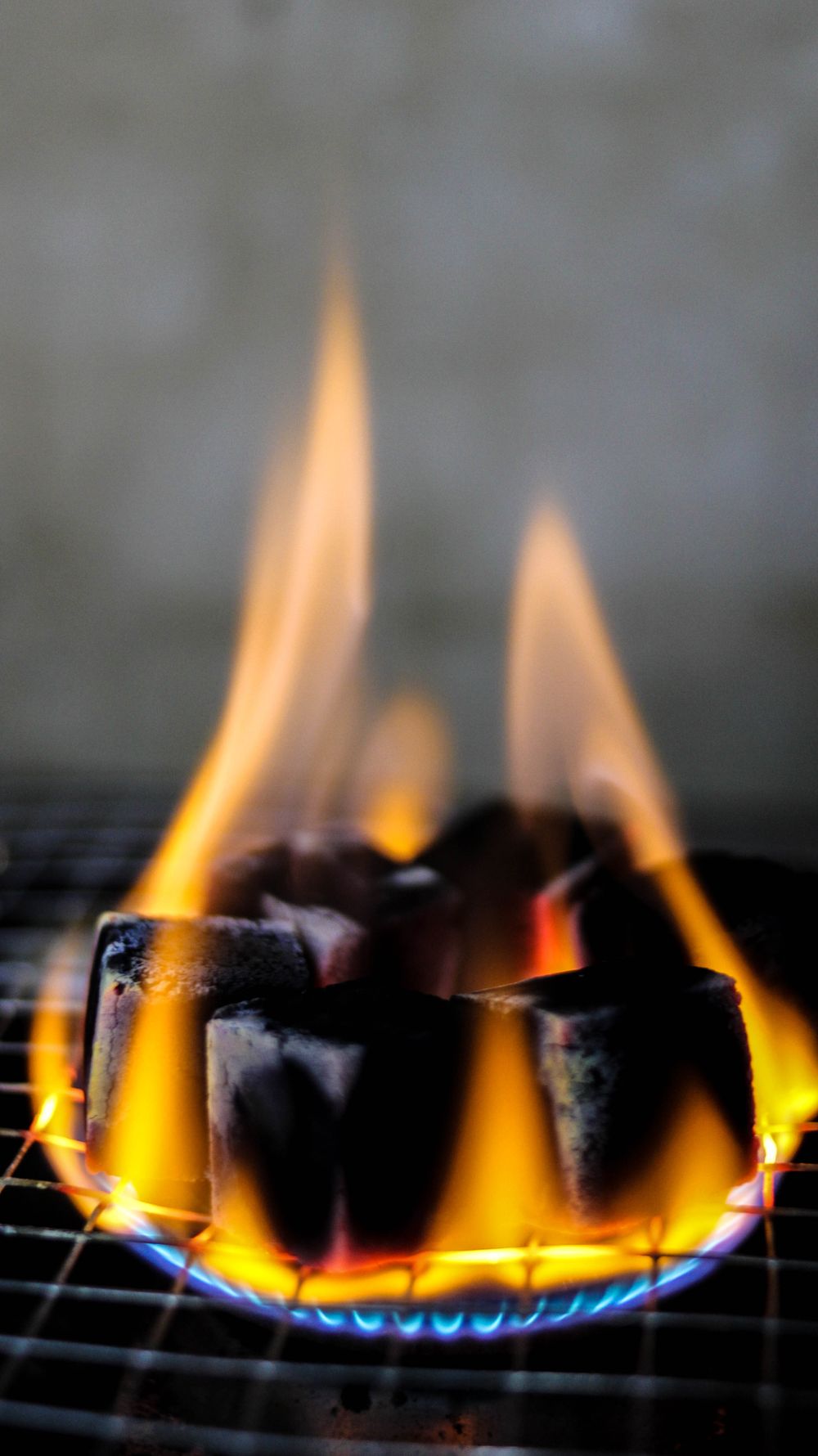
How to Light Charcoal Without Lighter Fluid
There is one right way to light charcoal, it costs about twenty five dollars, and it takes fifteen minutes.
 Technique
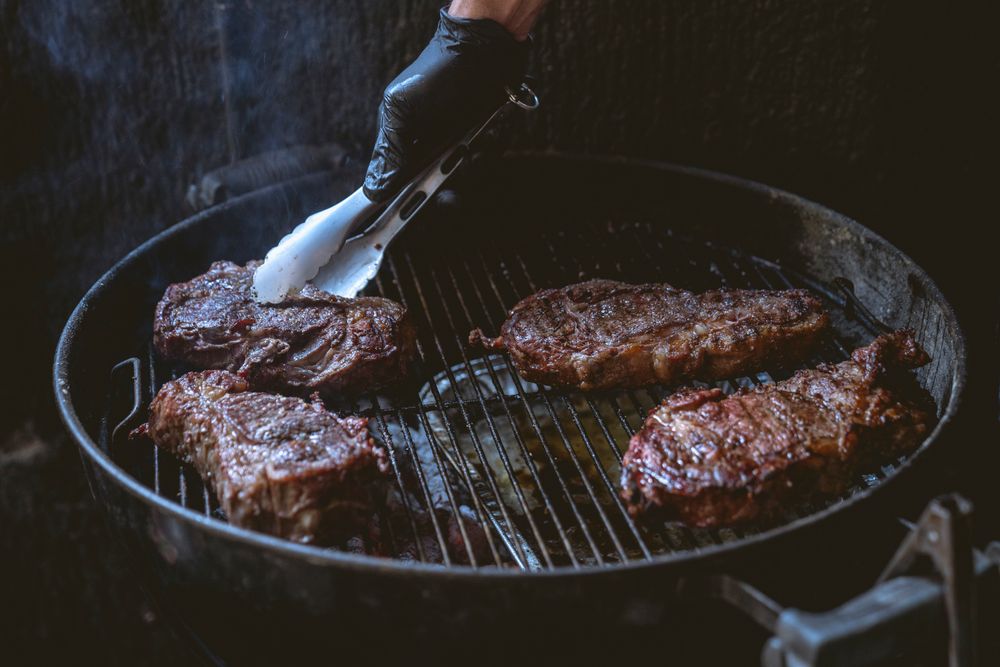
How to Set Up a Two-Zone Fire
One fire, two temperatures, and suddenly a charcoal grill can do everything an oven and a frying pan can do together.
 Technique
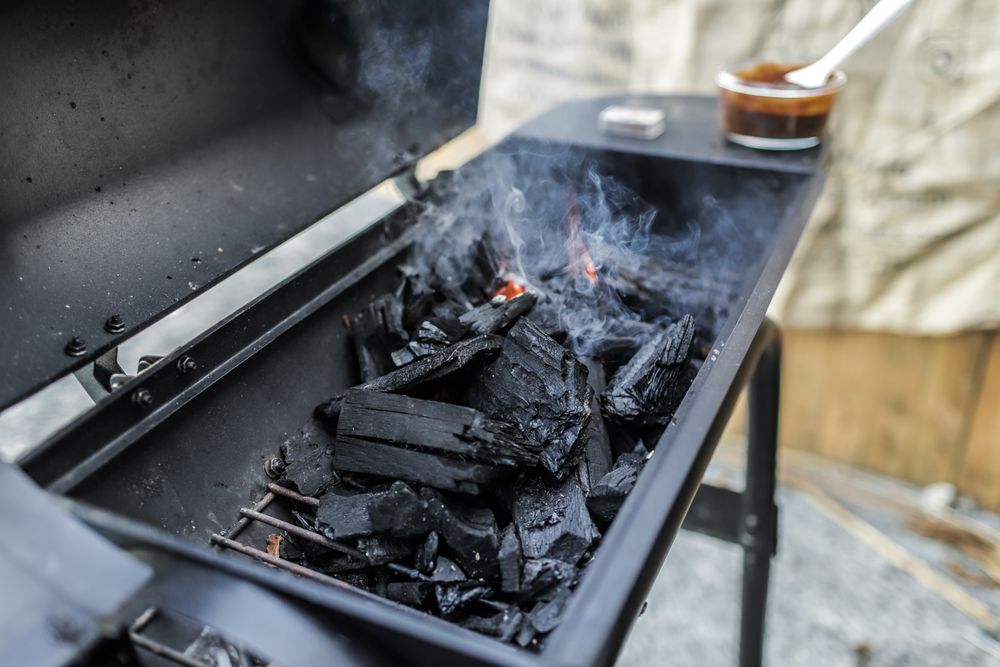
The Snake Method: Low and Slow on a Kettle
A line of unlit briquettes, lit at one end, burning along at about an inch an hour. It is the cheapest smoker you will ever build and it is already inside your kettle.